England injury crisis deepens as Feyi-Waboso and Curry ruled out of Nations Championship campaign

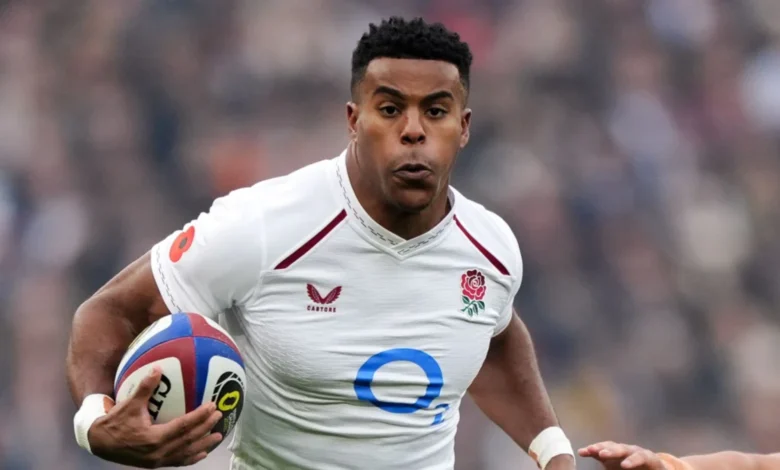
England’s preparations for their upcoming Nations Championship encounter with Japan have been thrown into disarray following confirmation that Immanuel Feyi-Waboso and Tom Curry have been ruled out for the remainder of the competition. The medical update, released by the Rugby Football Union (RFU), marks a significant blow to head coach Steve Borthwick, who is currently managing a mounting injury list following his side’s emphatic 45-22 victory over Australia at Twickenham.
The absence of two key starters adds to an already lengthy casualty list that threatens to disrupt the continuity Borthwick has sought to establish during the current autumn window. With a pivotal clash against New Zealand looming on November 21, the coaching staff is now facing the dual challenge of reshuffling the match-day squad for Japan while ensuring the long-term recovery of several front-line performers.
A Chronology of the Injury Setbacks
The current injury cycle began in the lead-up to the Australia test, with back-row stalwart Tom Curry sustaining a hip injury during training. Despite the initial optimism surrounding his recovery, the severity of the issue has rendered him unavailable for the remainder of the tournament.
The situation worsened during the 80 minutes against the Wallabies. Immanuel Feyi-Waboso, who has been a standout figure on the wing, suffered a right ankle injury during the first half of the match. The injury was the direct result of a controversial "hip-drop" tackle by Australia prop Angus Bell. The incident, which saw Bell sent to the sin bin, forced an early departure for Feyi-Waboso, who was replaced at half-time by the impressive young prospect Henry Pollock.
Following the match, the medical team confirmed that Seb Atkinson—who exited the pitch in the second half—is nursing a hip injury. Furthermore, Ollie Chessum (shoulder) and George Furbank (groin) have been added to the rehabilitation list, further depleting Borthwick’s options ahead of the Japan fixture.
Strategic Implications and Squad Management
The loss of Feyi-Waboso creates a void in the backline that requires immediate tactical deliberation. The Exeter winger has provided England with explosive carrying power and defensive stability, and his absence will likely see Borthwick turn to Saracens prospects Noah Caluori or Tobias Elliott. Caluori, who earned his first senior cap against Fiji in July, represents a player of growing promise, and his potential inclusion would signal a move toward blooding younger talent in the absence of established starters.
In the midfield, the absence of Seb Atkinson necessitates a reshuffle at the No 12 position. Fraser Dingwall and Max Ojomoh are the primary candidates to step into the role, both offering distinct profiles that could influence how England approaches the game against a fast-paced Japan side.
At the back, the expected return of Freddie Steward to the full-back position in place of George Furbank offers a more conservative, aerial-dominant option. Meanwhile, the bench remains a point of interest; while Marcus Smith’s creative influence has been pivotal, there is speculation he could be used as utility cover to accommodate the structural changes forced by the recent injuries.
Official Responses and Tactical Adjustments
Steve Borthwick has remained focused on the depth of the squad despite the setbacks. Following the Australia match, he was quick to highlight the impact of Henry Pollock, whose two-try performance off the bench provided a glimpse of the attacking potential within the wider training group.
"It is a testing period for the group, but we have built a squad that prides itself on adaptability," a source close to the England coaching camp suggested. "The training environment at Pennyhill Park is designed to ensure that when one player drops out, the next individual is prepared to step into the system without a dip in intensity."
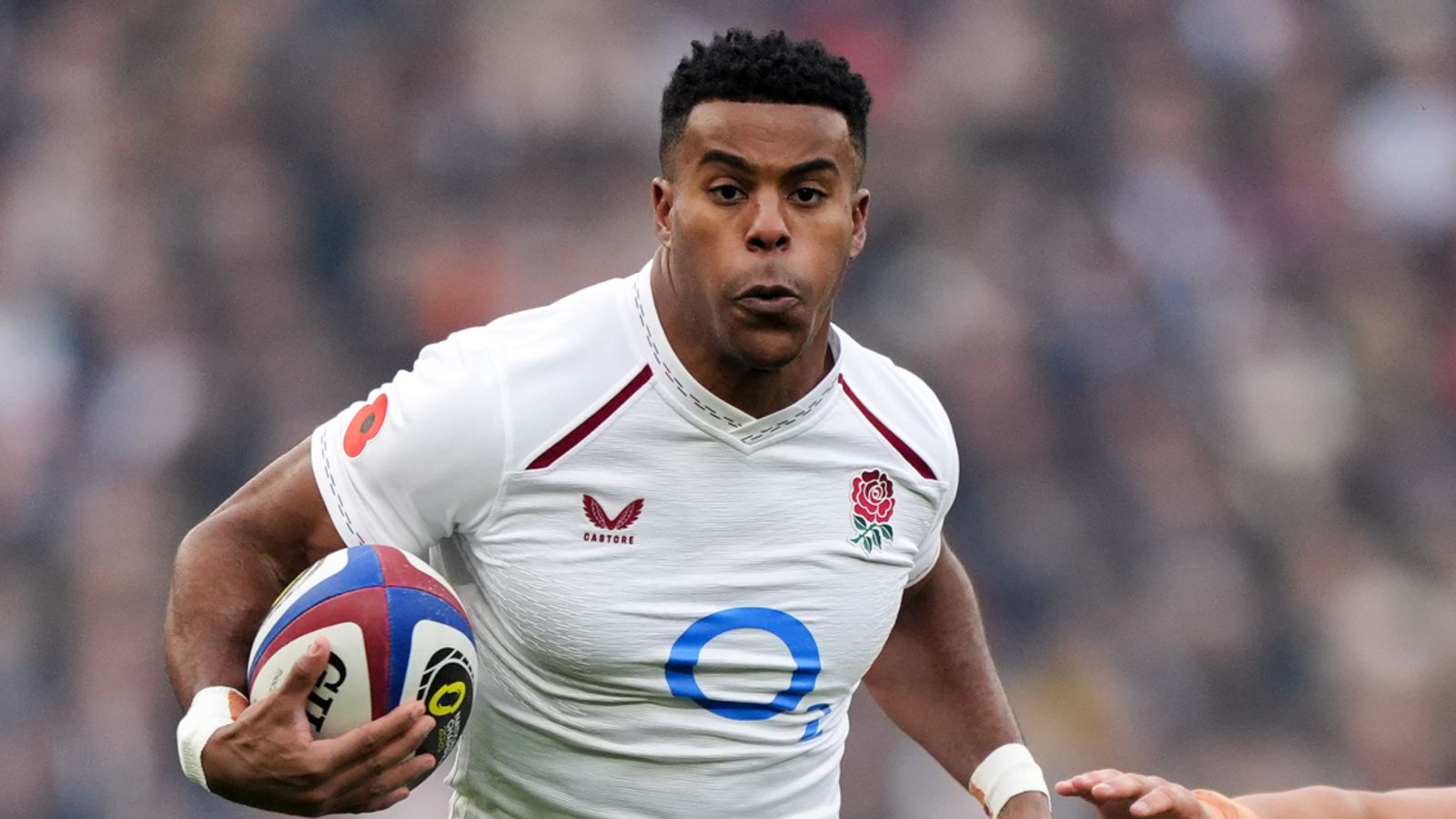
Maro Itoje, serving as a senior voice in the squad, offered a public defense of the coaching staff’s strategy during the post-match interviews at Twickenham. He emphasized that the physical toll of the Nations Championship is a reality that every top-tier team must manage, and that the "next-man-up" mentality remains the core tenet of their preparation.
Broader Context: The Physical Toll of Modern Rugby
The current injury wave highlights the increasing physical demands of international rugby. The prevalence of injuries such as hip-drops and impact-related soft tissue strains is becoming a point of discussion among governing bodies. The injury to Feyi-Waboso, triggered by the tackle from Angus Bell, has renewed conversations regarding player welfare and the strict officiating of technical contact at the breakdown and in the tackle zone.
Statistically, England’s recent performance against Australia saw a significant increase in ball-in-play time compared to their previous fixtures. While this led to a more entertaining, high-scoring game, it also correlates with the spike in injury reports. The recovery period for modern professional players has become as much a tactical consideration as the game plan itself, with Borthwick’s team having to balance the necessity of winning with the long-term health of their personnel.
Looking Ahead to New Zealand
The medical staff remains optimistic that the trio of Atkinson, Chessum, and Furbank could be available for the marquee fixture against the All Blacks on November 21. Their potential return would provide a significant boost to the starting XV, particularly in the forward pack where Chessum’s physical presence in the lineout and the loose is essential for neutralizing the New Zealand pack.
To mitigate the current shortages, the RFU has acted quickly to bolster the training camp at Pennyhill Park. Jack Kenningham and Max Hicks have been called into the squad to provide cover in the back row, filling the gaps left by the unavailability of Ben Curry and Ollie Chessum. Additionally, the return of Archie McParland to the training environment following his recovery from a calf injury provides much-needed depth at the scrum-half and utility back positions.
England Training Squad: A Breakdown of Depth
The current 36-player group reflects a mix of seasoned veterans and emerging talent. The inclusion of players like Arthur Clark, Emmanuel Iyogun, and Greg Fisilau highlights a concerted effort to broaden the base of international-ready players.
Forwards:
The forward unit remains the backbone of Borthwick’s game plan. Despite the absences, the presence of experienced operators like Jamie George, Maro Itoje, and Ellis Genge ensures that the set-piece remains a point of strength. The inclusion of younger forwards like Henry Pollock and Max Hicks will be scrutinized closely as they look to prove their mettle against a Japanese side known for their technical proficiency and work rate.
Backs:
The backline, while currently unsettled by injury, still boasts significant playmaking pedigree with the presence of George Ford, Marcus Smith, and Fin Smith. The competition for the wing spots—with Noah Caluori and Tobias Elliott looking to impress—will be the most intriguing subplot of the week’s training sessions.
Analytical Outlook
England’s upcoming fixture against Japan is not merely a test of squad depth, but a referendum on the efficacy of their development pipeline. By integrating younger players into the match-day squad, Borthwick is effectively testing the viability of his long-term selection strategy.
If England can maintain their defensive structure and clinical finishing—traits that were evident in their defeat of the Wallabies—they should be well-positioned to navigate the challenges presented by Japan. However, the lack of continuity in the starting lineup is a variable that cannot be ignored. A team that is forced to change its starting XV frequently often struggles with rhythm, and for a side aiming to challenge the best in the world, the upcoming weeks will be a trial by fire.
As the squad gathers at Pennyhill Park, the focus remains on recovery and integration. With the New Zealand match serving as the ultimate litmus test for this iteration of the England team, the next seven days will be critical in determining whether they can sustain their momentum despite the mounting medical hurdles. The resiliency of the team will be tested, and for Steve Borthwick, the ability to maintain a winning culture amidst a period of forced transition will define the success of this Nations Championship campaign.