Trump dismisses AI doomsday warnings and announces the creation of an AI Force and czar to accelerate US tech dominance

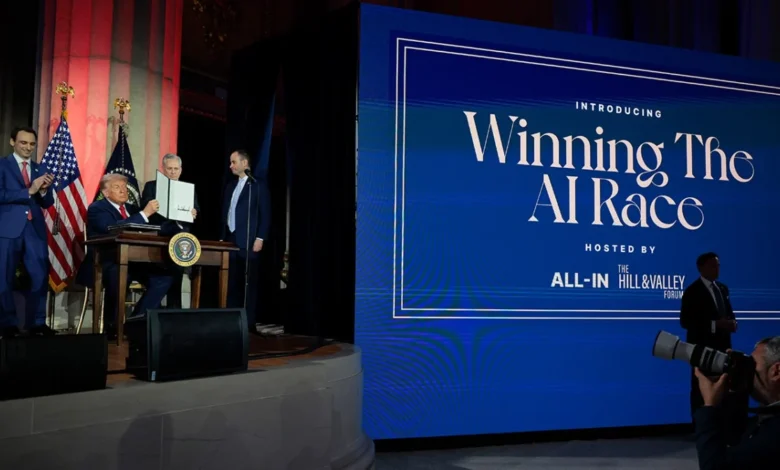
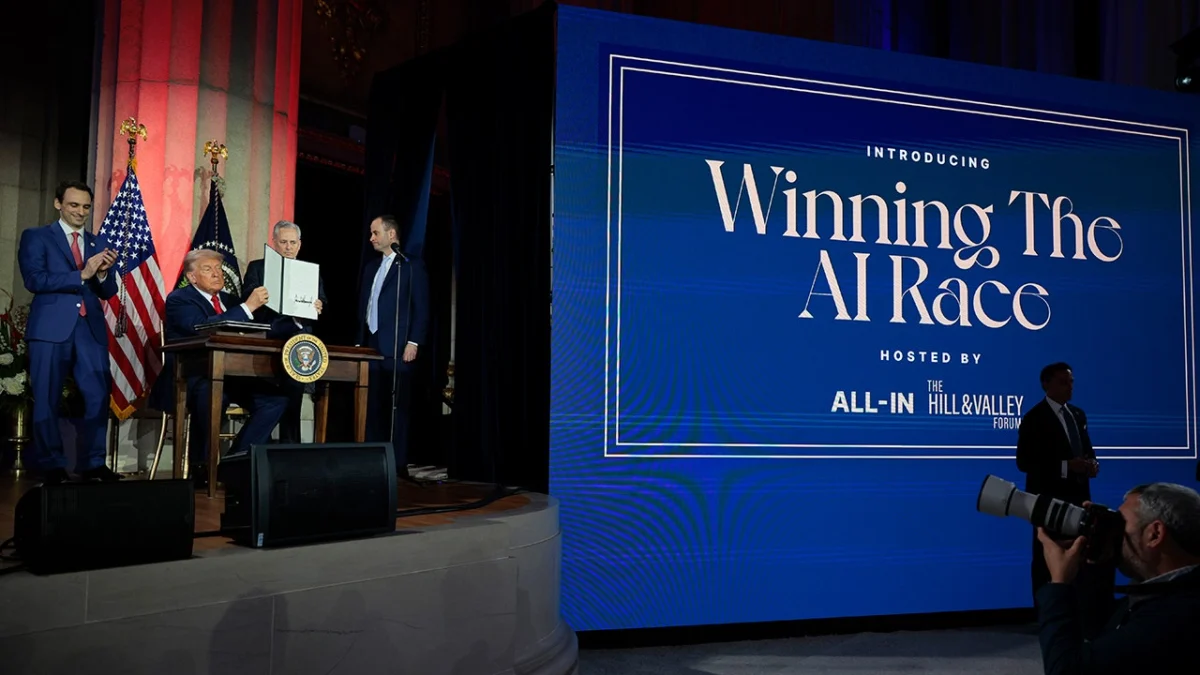
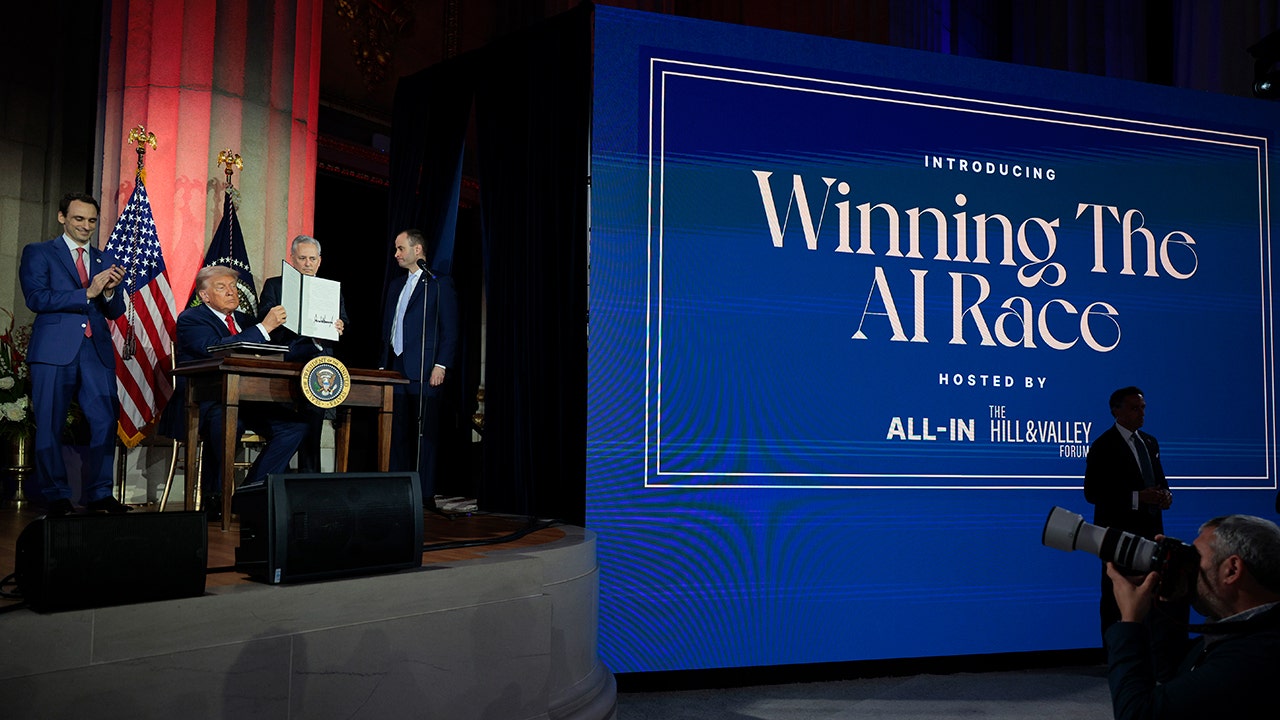
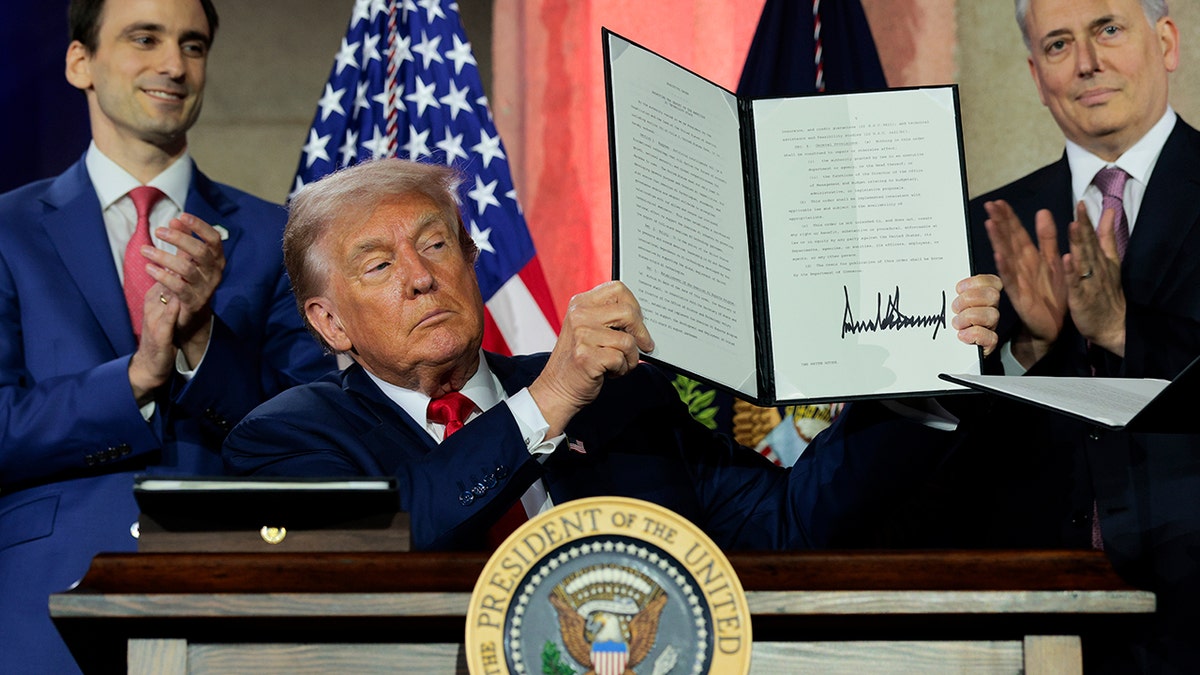
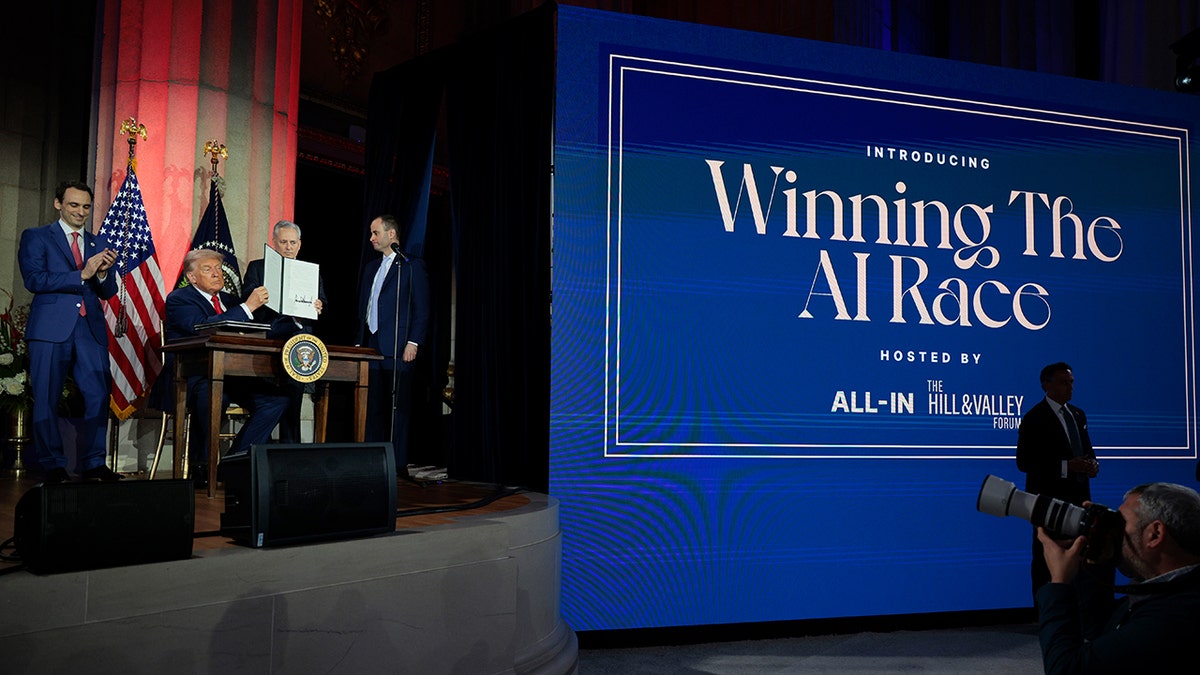
President Donald Trump announced the establishment of a dedicated "AI Force" and the upcoming appointment of an artificial intelligence czar, signaling a major push by his administration to aggressively accelerate the development of artificial intelligence within the United States. In a series of statements released on social media, the president firmly rejected federal regulatory overreach and doomsday warnings pushed by certain technology executives, framing the emerging sector as the foundation of the next major industrial revolution.
The announcement comes at a critical juncture for U.S. technology policy. Lawmakers on Capitol Hill, industry titans from companies like OpenAI and Anthropic, and international competitors are fiercely debating the future guardrails of artificial intelligence. While some tech executives have warned of existential threats—often referred to as doomsday scenarios—and called for federal pauses or strict regulatory oversight, the Trump administration has taken a starkly opposing stance. By championing unhindered growth, Trump aims to ensure that the United States maintains its competitive edge over geopolitical rivals, most notably China, while leveraging existing legal frameworks to handle potential misconduct.
Background and Context of the U.S. AI Policy Debate
The debate over artificial intelligence governance has intensified significantly over the past several years. As generative AI models achieve unprecedented capabilities in coding, reasoning, media generation, and automation, policymakers have struggled to balance safety with innovation.
During the initial boom of large language models, a faction of tech leaders, ethicists, and lawmakers began sounding alarms regarding the potential for advanced AI systems to bypass human control, facilitate mass disinformation, or cause catastrophic societal harm. These concerns prompted various proposals for federal licensing regimes, mandatory safety evaluations, and development pauses.
However, these calls for caution have faced mounting skepticism from free-market advocates and specific factions within the Republican party. Critics argue that heavy-handed federal regulations would disproportionately benefit legacy tech monopolies by locking out smaller startups and open-source developers. Furthermore, many lawmakers contend that big tech companies are weaponizing "doomsday" narratives to create regulatory moats that protect their market dominance.
President Trump’s recent policy directives align closely with this skepticism. Rejecting proposals for restrictive federal oversight, Trump asserted that the administration would rely on current criminal and civil justice systems to prosecute bad actors rather than suffocating the broader industry with preventative red tape.
The White House Strategy: The AI Force and the Search for a Czar
Detailing his vision for federal oversight, Trump compared the proposed initiative to the creation of the United States Space Force during his first term. While specific details regarding the structure, funding, and legal authority of the "AI Force" remain undetermined, the administration envisions a specialized apparatus designed to champion and protect the industry rather than hinder it.
Additionally, Trump announced that he would soon appoint an "AI Czar" to coordinate federal strategy and streamline technological advancement. In characteristic fashion, the president joked on social media that "only High I.Q. individuals need apply."
The appointment of a high-level technology czar represents an effort to centralize federal policy, cutting through bureaucratic red tape across various agencies such as the Department of Commerce, the Department of Defense, and the National Institute of Standards and Technology (NIST). This centralized approach is intended to expedite the deployment of infrastructure, such as power-hungry data centers, which have occasionally faced localized opposition and environmental reviews.
Economic Projections and Geopolitical Competition
President Trump’s aggressive stance on AI deregulation is heavily anchored in economic and national security projections. In his statements, the president boldly predicted that artificial intelligence could eventually account for up to 25% of the United States gross domestic product (GDP), comparing its transformative potential to the advent of the internet or the Industrial Revolution.
"AI is the next Industrial Revolution, or Internet, but will be even larger and more impactful, possibly as much as 25% of our Country’s GDP," Trump wrote. "We are leading China, and the rest of the World, and I intend to keep it that way!"
This economic ambition is directly tied to the ongoing geopolitical race between Washington and Beijing. Policymakers across the political spectrum largely agree that leadership in artificial intelligence will dictate future military superiority, economic resilience, and cyber defense capabilities. By refusing to implement development pauses or stringent capability caps, the Trump administration hopes to empower American firms to innovate at maximum speed, ensuring that foreign adversaries—namely China—do not capture market and technological supremacy.
Linguistic Branding and Public Consultation
In a novel approach to public engagement regarding technological advancement, Trump also used social media to debate the nomenclature of the technology itself. Questioning the accuracy and elegance of the term "Artificial Intelligence," the president launched an informal poll asking the public to choose between alternative descriptors.
"Many people think that the words ‘Artificial Intelligence’ are inaccurate, and very ineloquent," Trump noted, offering alternatives such as "Superior Intelligence (SI)," "Extreme Intelligence (EI)," or "Supreme Intelligence (SI)." While largely symbolic, the linguistic pivot underscores the administration’s desire to reframe the narrative surrounding the technology—moving away from clinical or dystopian connotations toward concepts of national excellence and superiority.
Implications and Future Outlook
The Trump administration’s refusal to bow to doomsday warnings establishes a clear regulatory roadmap for the foreseeable future: rapid expansion, minimal preventative compliance burdens, and strict punitive measures for actual unlawful behavior using existing laws.
As Congress continues to debate measures ranging from safety "kill switches" to emergency Cold War-era federal powers, the executive branch’s pro-growth strategy sets the stage for a dramatic acceleration in domestic tech infrastructure. Whether the newly proposed AI Force and the forthcoming AI czar can successfully balance rapid commercial innovation with national security safeguards remains one of the defining questions of the modern technological era.
Related posts: