NORAD F-16 Fighter Jet Intercepts Aircraft Violating Restricted Airspace Over Camp David While President Trump Visits Maryland Retreat

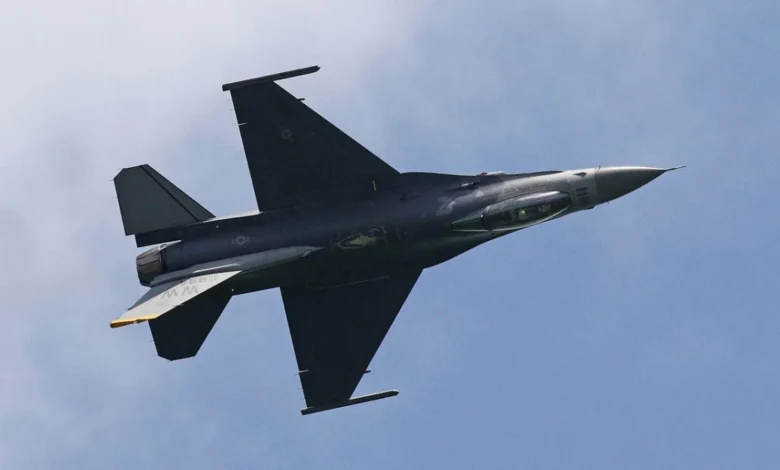
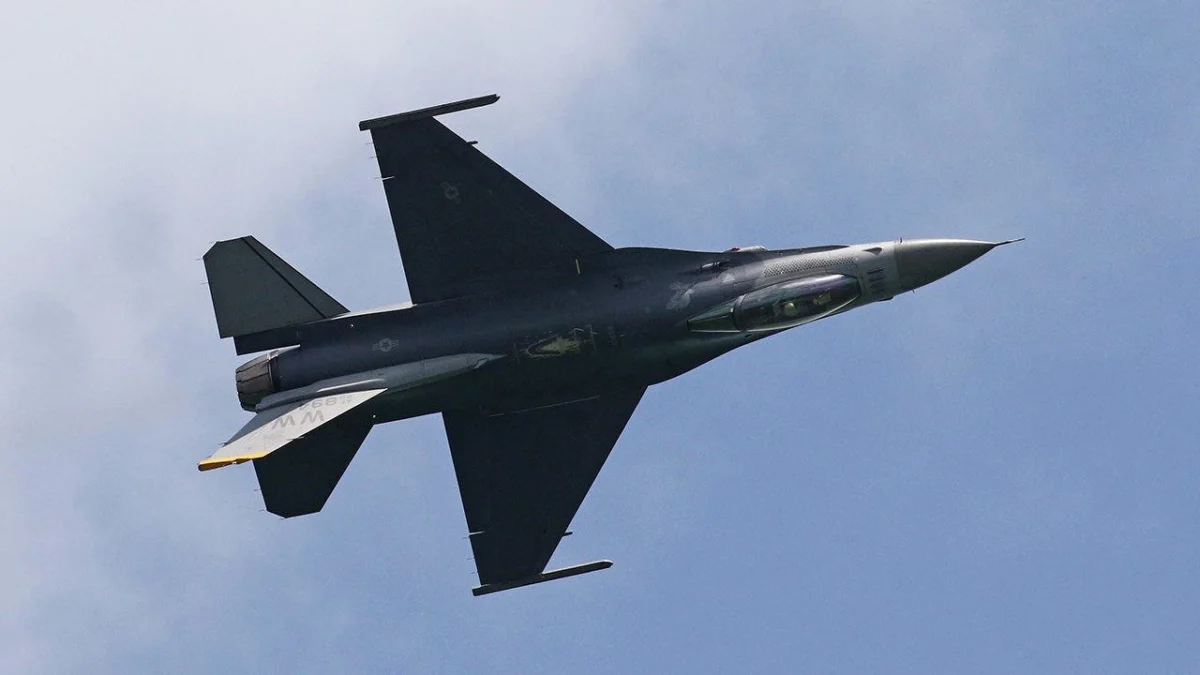
A North American Aerospace Defense Command (NORAD) F-16 fighter jet successfully intercepted an unidentified civilian aircraft that breached restricted airspace over the presidential retreat at Camp David on Saturday morning. The security incident unfolded as President Donald Trump spent the weekend at the heavily guarded facility nestled in the Catoctin Mountains of Thurmont, Maryland.
According to defense officials and statements released by the Defense Visual Information Distribution Service (DVIDS), the scrambling of the military aircraft was initiated after the civilian pilot failed to establish communication and entered a designated temporary flight restriction (TFR) zone. To capture the pilot’s attention and signal an immediate course correction, the intercepting F-16 dispensed signaling flares before safely escorting the aircraft out of the restricted sector without further incident.
The routine yet high-stakes procedure underscores the rigorous layers of national security protocols enforced around sitting U.S. presidents, particularly when they leave Washington, D.C., for secure off-site locations like Camp David.
Understanding the Airspace Restrictions Over Camp David
Camp David, officially known as Naval Support Facility Thurmont, is subject to a permanent no-fly zone designated as restricted airspace (R-4001). However, when the president is in residence, these security measures are substantially intensified through the implementation of Temporary Flight Restrictions (TFRs).
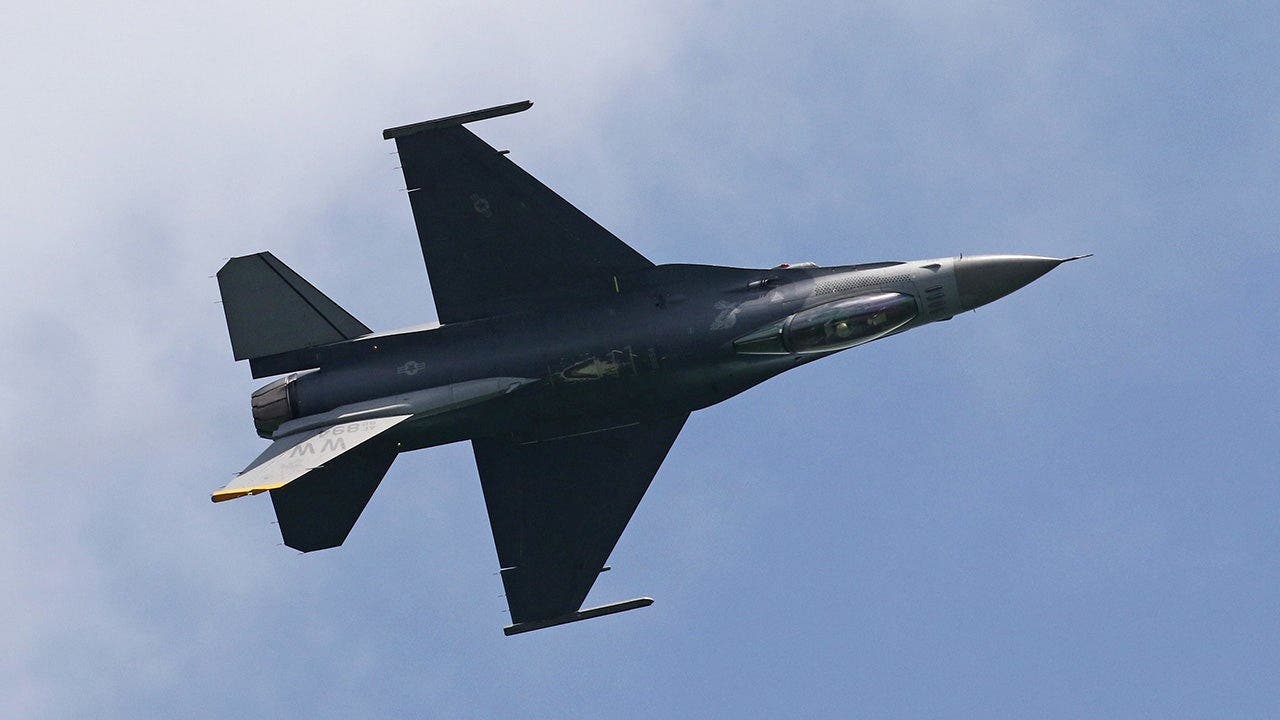
Federal Aviation Administration (FAA) regulations dictate that these TFR boundaries typically extend several miles in radius and up to a specific altitude ceiling around the presidential retreat. The primary objective of these restrictions is to establish a robust buffer zone, granting military and intelligence assets adequate time to identify, evaluate, and neutralize potential aerial threats before they can pose any danger to the commander-in-chief or other government officials present.
General aviation pilots operating within the Mid-Atlantic region are repeatedly reminded by aviation authorities to consult Notices to Air Missions (NOTAMs) prior to every flight. Failing to check these notices can lead to inadvertent incursions, which are treated with extreme seriousness by NORAD and federal law enforcement agencies.
Chronology of the Interception Incident
The events of Saturday morning followed a well-rehearsed protocol designed to manage unauthorized aircraft efficiently and safely:
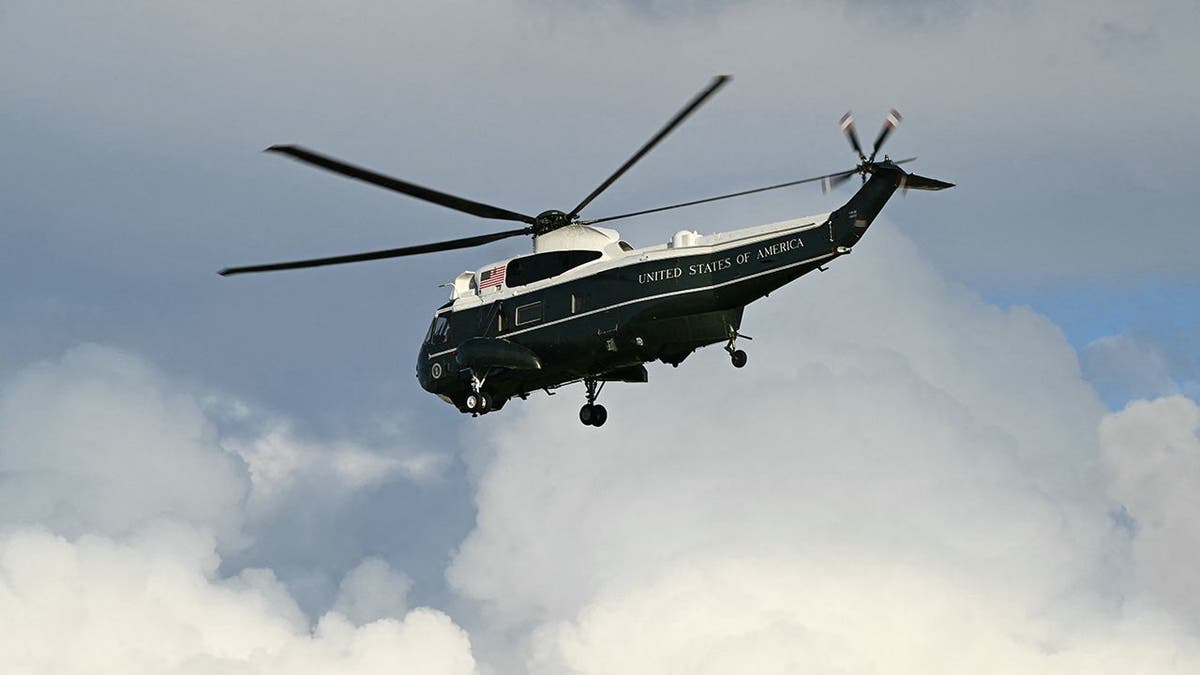
- Friday Evening: President Trump departs the White House via Marine One, traveling to Camp David for the weekend to handle administrative duties and hold high-level discussions.
- Saturday Morning (Early Hours): Radar systems operated by the Eastern Air Defense Sector (EADS) detect a general aviation aircraft operating within the outer perimeter of the active TFR surrounding Camp David.
- Response Authorization: NORAD orders the immediate scrambling of a combat-ready F-16 Fighting Falcon to intercept the errant aircraft and assess the intent of the pilot.
- The Intercept: The military jet reaches the target aircraft, establishes visual contact, and deploys standard-procedure safety flares to secure the pilot’s attention.
- Resolution: The civilian pilot responds to the visual cues, tunes into the emergency frequency, reverses course, and is safely escorted clear of the restricted zone by the NORAD fighter.
Official Responses and Standard Protocol
Following the successful resolution of the airspace violation, military authorities reiterated the precise directives issued to civilian pilots who find themselves inadvertently intercepted by military aircraft.
First Air Force, a component of NORAD, took to social media platform X to address the aviation community directly. "Make sure to check NOTAMs before takeoff to ensure you have current information about TFRs in your area. Stay Safe, Fly Informed!" the command posted on Saturday morning.
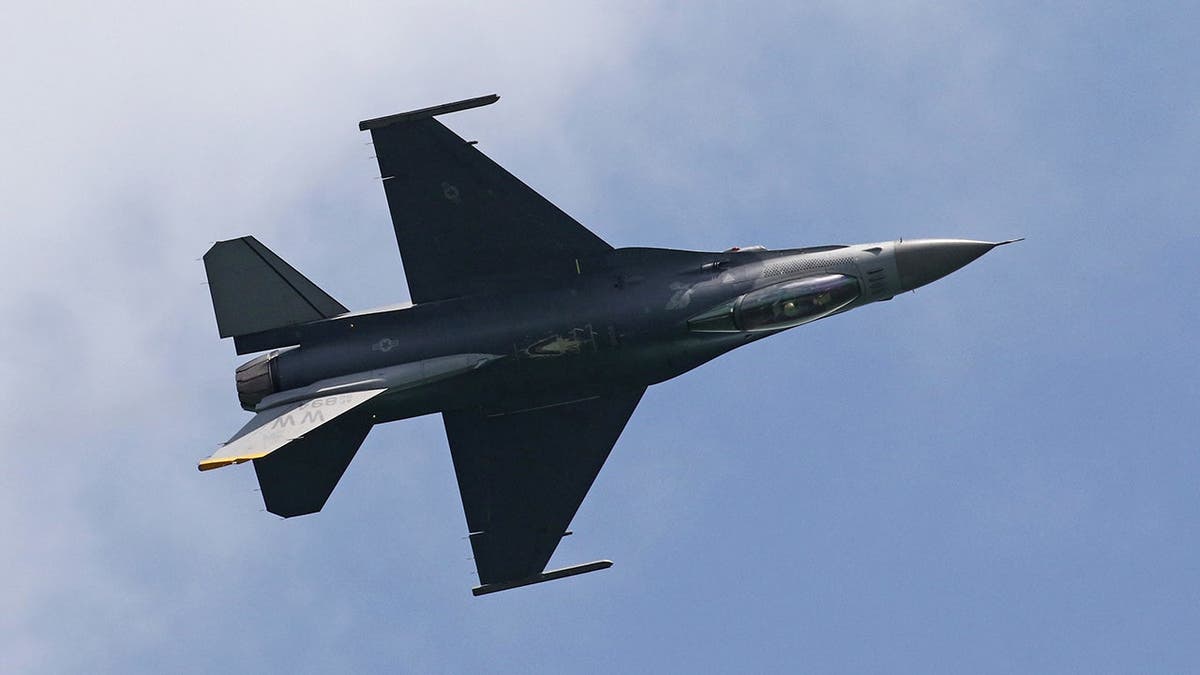
In official DVIDS releases, NORAD detailed the exact steps a civilian pilot must take if approached by interceptors: "Should NORAD aircraft intercept a general aviation aircraft, the pilot should immediately come up on frequency 121.5 or 243.0 and turn around to reverse course until receiving additional instructions on one of those frequencies."
Aviation safety experts note that failure to comply with these instructions or ignoring repeated warnings can lead to severe legal and financial repercussions, including the permanent revocation of pilot licenses, hefty civil penalties, and potential criminal charges depending on the severity of the security breach.
Contextual Background and Similar Incidents
Saturday’s interception is not an isolated event. Protecting the airspace around high-profile national leaders frequently requires active military intervention against wayward or uninformed civilian aviators.
A strikingly similar incident occurred in June of the same year, when another unauthorized aircraft strayed into the restricted airspace over Camp David while President Trump was staying at the retreat. In that instance, fighter jets were similarly dispatched, and the pilot was successfully guided away from the zone without escalation.
Furthermore, NORAD units stationed along the Eastern Seaboard frequently manage identical security scenarios around other presidential properties, such as Mar-a-Lago in Palm Beach, Florida. Earlier in the year, NORAD F-16s intercepted multiple aircraft that violated temporary flight restrictions over New Jersey and Florida, highlighting a persistent challenge for air traffic controllers and military defense planners alike.
Despite the frequency of these events, aviation security analysts emphasize that each intrusion is treated as a potential national security threat until proven otherwise. The modern defense architecture requires instantaneous decision-making, balancing the need for absolute airspace security with the reality of occasional pilot error or navigation oversight within crowded American skies.
Broader Implications for National Security and Aviation Compliance
The ongoing occurrences of TFR violations point to a broader systemic issue within general aviation: pilot complacency and inadequate pre-flight planning. While commercial airlines operate under rigid flight-management systems that automatically account for restricted airspace, general aviation pilots—ranging from hobbyists to corporate flyers—rely heavily on manual flight planning.
Aviation safety advocates argue that increased educational outreach by the FAA and organizations like the Aircraft Owners and Pilots Association (AOPA) is essential to curbing these incidents. However, as long as human error remains a factor in navigation, NORAD will maintain a high-readiness posture.
For the security details charged with protecting the president, the margin for error is zero. The swift and professional response by the NORAD F-16 pilot on Saturday morning demonstrates the unwavering vigilance of North American air defense systems, ensuring that potential threats are mitigated quickly, safely, and effectively before any risk to the nation’s leadership can materialize.
Related posts: