Kimchi-Derived Probiotic Offers Potential Biological Solution for Removing Nanoplastics from the Human Body

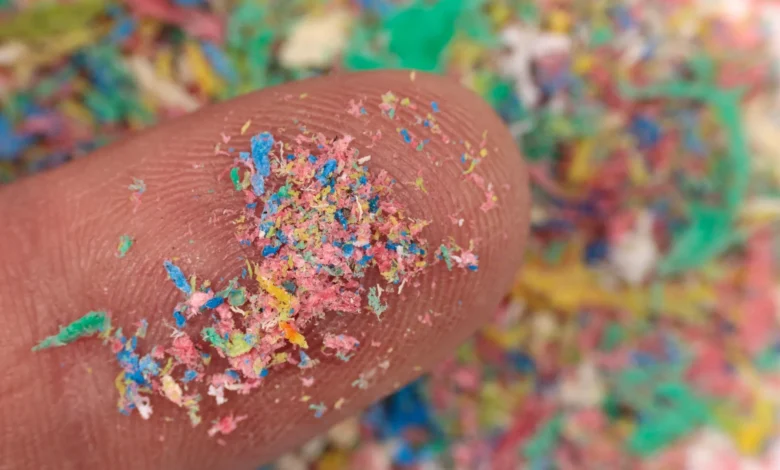
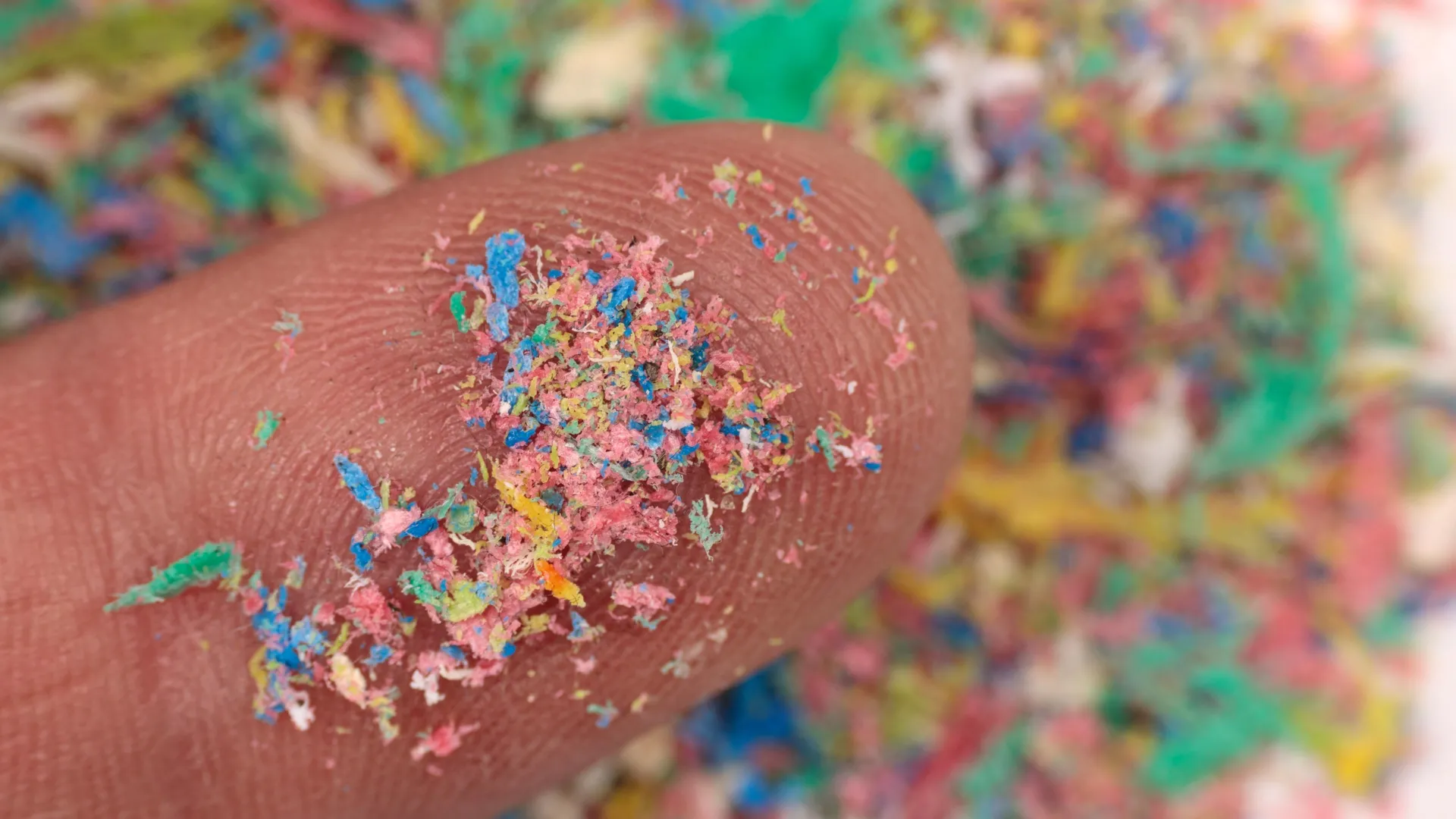
The World Institute of Kimchi (WiKim), a government-funded research organization under the South Korean Ministry of Science and ICT, has unveiled a significant scientific breakthrough regarding the potential of traditional fermented food microbes to mitigate the health risks posed by environmental pollutants. Researchers at the institute, led by Dr. Se Hee Lee and Dr. Tae Woong Whon, have successfully identified a specific strain of lactic acid bacterium, Leuconostoc mesenteroides CBA3656, which demonstrates a unique ability to bind to nanoplastics within the human intestinal tract, facilitating their excretion from the body.
The Growing Crisis of Nanoplastic Contamination
Nanoplastics—plastic particles measuring less than 1 micrometer (µm) in diameter—have become an ubiquitous feature of the modern environment. Unlike microplastics, which are visible to the naked eye, nanoplastics are the product of the ongoing degradation of larger plastic debris, industrial processes, and the wear and tear of synthetic materials. Due to their infinitesimal size, these particles pose a unique toxicological threat. They are capable of crossing biological barriers, including the intestinal wall, the blood-brain barrier, and the placental barrier. Once they enter the systemic circulation, they have been observed to accumulate in vital organs, including the liver, kidneys, and the brain, potentially triggering oxidative stress, inflammation, and cellular dysfunction.
The ubiquity of nanoplastics in global food chains—from bottled water and seafood to table salt and agricultural produce—has transformed the issue from an environmental concern into a burgeoning public health emergency. Despite the scale of human exposure, current medical science has offered few, if any, biological interventions to prevent the systemic absorption of these particles.
Research Methodology and Chronology
The research project at the World Institute of Kimchi began with a comprehensive screening of microbial resources derived from traditional Korean kimchi. The goal was to identify strains capable of surviving the harsh, acidic conditions of the human gastrointestinal tract while maintaining a high affinity for binding to polystyrene nanoplastics (PS-NPs).
The research progressed through three distinct phases:
- In-Vitro Screening (Baseline): The team tested the adsorption capacity of various strains under standard laboratory conditions. The kimchi-derived Leuconostoc mesenteroides CBA3656 displayed an 87% adsorption efficiency, performing slightly better than the reference strain Latilactobacillus sakei CBA3608, which showed an 85% efficiency.
- Simulated Gastrointestinal Testing: Recognizing that laboratory efficiency often fails in the body, the team subjected the strains to simulated human intestinal conditions, characterized by specific pH levels and bile salt concentrations. In this environment, the reference strain’s efficiency plummeted to just 3%. Conversely, CBA3656 retained a remarkable 57% adsorption rate, indicating a superior ability to function within the human gut.
- In-Vivo Validation: The final phase involved germ-free mouse models. Researchers administered the CBA3656 strain to the subjects and monitored the excretion of PS-NPs. The results showed a more than twofold increase in the concentration of nanoplastics in the feces of mice treated with the probiotic compared to the control group, providing empirical evidence that the bacteria physically bind to the plastic, effectively "trapping" it for removal.
Comparative Analysis of Probiotic Efficacy
The disparity in performance between CBA3656 and other known probiotics under simulated digestive stress is the cornerstone of this discovery. Most probiotics are chosen for their ability to balance gut flora or synthesize vitamins, but few are tested for their structural affinity to synthetic polymers. The research suggests that the unique surface protein structure of Leuconostoc mesenteroides CBA3656 allows it to act as a "biological sponge."
By binding to the nanoplastics in the lumen of the intestine, the bacteria prevent these particles from interacting with the epithelial cells of the gut lining. Once bound, the plastic-bacterium complex continues through the digestive tract and is expelled as waste. This mechanism effectively turns the body’s natural elimination system into a filter for synthetic pollutants that the body would otherwise struggle to identify or remove.
Official Responses and Institutional Significance
Hae Choon Chang, President of the World Institute of Kimchi, emphasized that this research represents a shift in how the scientific community views traditional fermentation. "Our focus is no longer limited to the nutritional and sensory benefits of kimchi," Chang stated. "We are unlocking the potential of these microbial resources to serve as an active defense mechanism against modern industrial pollutants."
Dr. Se Hee Lee, the study’s lead researcher, highlighted the urgency of the findings. "Plastic pollution is increasingly recognized not only as an environmental issue but also as a public health concern. Our findings suggest that microorganisms derived from traditional fermented foods could represent a new biological approach to address this emerging challenge. We will continue to expand the scientific value of kimchi microbial resources to contribute to public health and environmental solutions."
While the research team remains cautious, independent experts in toxicology and gastroenterology have noted that the findings could lead to a new class of functional food products. If proven safe and effective in human clinical trials, such probiotics could be integrated into dietary supplements specifically designed for populations at high risk of plastic exposure, such as those living in highly industrialized urban centers.
Broader Impact and Future Implications
The implications of this discovery are vast. If nanoplastics are indeed being absorbed into the blood and organs at the rates suggested by recent environmental studies, the ability to neutralize these particles in the gut could represent a significant reduction in the cumulative toxic load on the human body.
Furthermore, this research aligns with the growing trend of "bioremediation"—the use of microorganisms to clean up environmental pollutants. While bioremediation is typically applied to soil or water cleanup, the application of this concept to the human microbiome—sometimes called "internal bioremediation"—is a frontier field.
However, the team at WiKim notes that the study is only the beginning. Future research will need to address several critical factors:
- Long-term Efficacy: Can the probiotic maintain its adsorption capacity over months or years of continuous consumption?
- Interaction with the Microbiome: Does the presence of high concentrations of bound nanoplastics affect the existing gut flora, and are there potential side effects?
- Clinical Trials: Controlled human trials are necessary to translate these animal-model findings into medical recommendations.
The Role of Traditional Foods in Modern Medicine
The success of this study underscores the immense value of traditional fermented foods as reservoirs of functional microbes. Kimchi, which involves a complex, multi-stage fermentation process, fosters a diverse range of lactic acid bacteria that have evolved to survive in competitive, variable, and often harsh conditions. This evolutionary "toughness" is precisely what makes them effective in the human gut.
As global regulatory bodies, including the World Health Organization (WHO), continue to investigate the long-term health effects of micro- and nanoplastics, the scientific community is under pressure to develop mitigation strategies. By bridging the gap between ancient dietary traditions and 21st-century environmental hazards, the World Institute of Kimchi has provided a unique, low-cost, and potentially highly effective pathway for addressing one of the most pressing health issues of the modern age.
In the coming years, as the scientific community further evaluates the mechanisms of Leuconostoc mesenteroides CBA3656, it is likely that the conversation surrounding plastic pollution will expand to include the role of the microbiome as a critical defensive barrier. This research not only validates the health benefits of fermented foods but also marks a pivotal moment in the development of targeted, biological solutions to global synthetic contamination. Whether through fermented food consumption or standardized probiotic supplementation, the potential to "flush" the body of harmful micro-pollutants is a significant leap forward in preventative public health.