The Dress Rehearsal: How Extreme Heat is Forcing a Global Reckoning with Climate Resilience

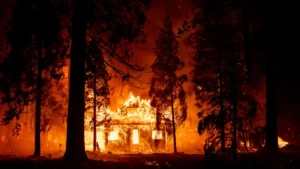
The summer of 2026 did not merely pass; it seared itself into the historical record, marking a definitive shift in the global climate narrative. Across the Northern Hemisphere, nations grappled with unprecedented temperature spikes that shattered long-standing meteorological benchmarks. In Western Europe, the season was defined by five distinct, grueling heat waves that desiccated agricultural soil, turned lush landscapes into tinderboxes, and caused major river systems to retreat to levels that halted commerce and threatened aquatic ecosystems. This period of intense thermal stress, which resulted in at least 35,000 excess deaths across half the continent during the initial four waves alone, has been classified by the World Health Organization as nothing more than a "dress rehearsal" for the future.
A Chronology of Escalating Extremes
The trajectory toward this summer’s crisis began years ago, yet the frequency and intensity of events in 2026 signaled a new, volatile era. In early June, record-breaking temperatures hit Southern Europe, with cities like Granada, Spain, seeing thermometers climb past 40 degrees Celsius (104 degrees Fahrenheit). As the summer progressed, the heat moved northward, testing infrastructures that were never engineered for such sustained thermal loads. By mid-July, the phenomenon had moved from a weather nuisance to a humanitarian crisis, as the lack of rainfall and extreme heat created a feedback loop that decimated crop yields and overwhelmed healthcare systems.
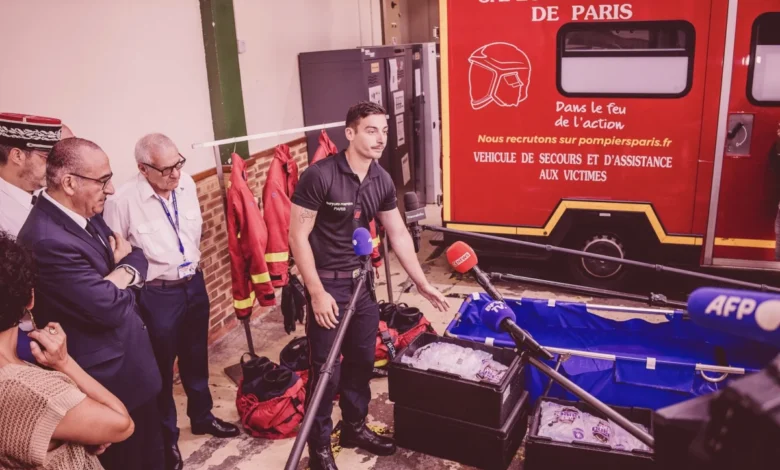
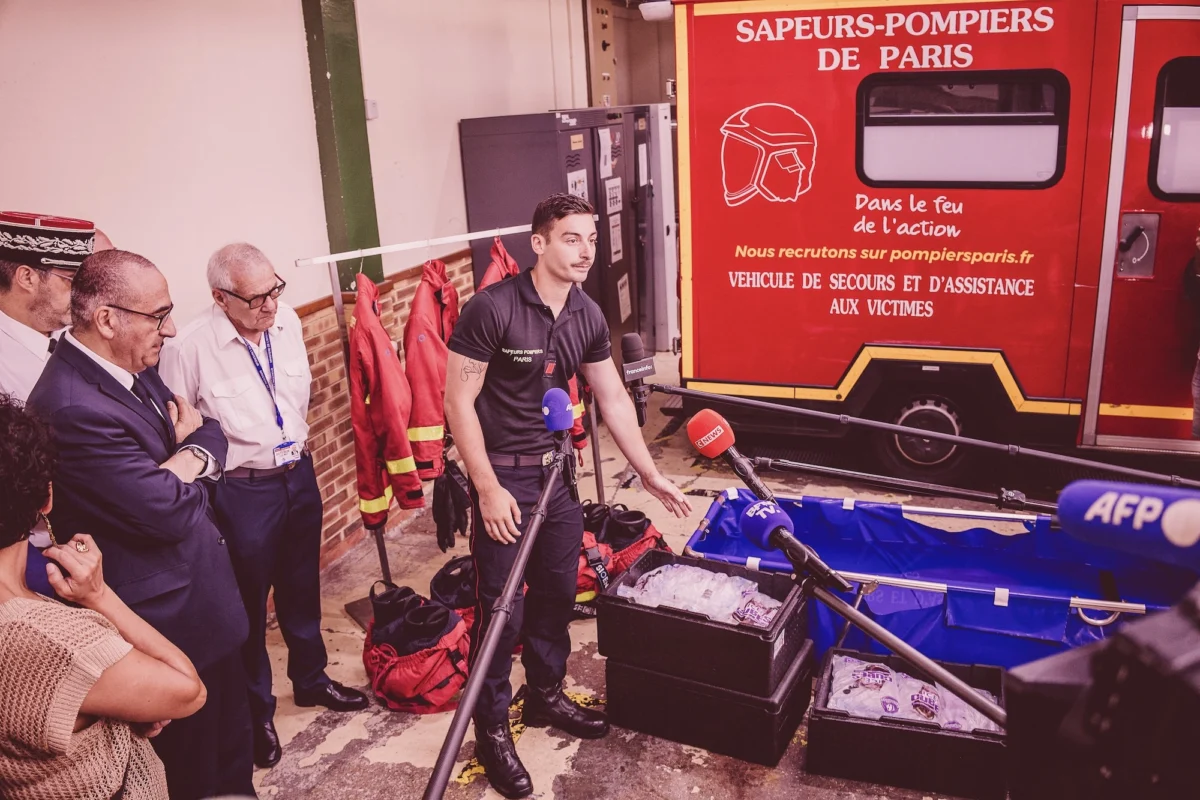
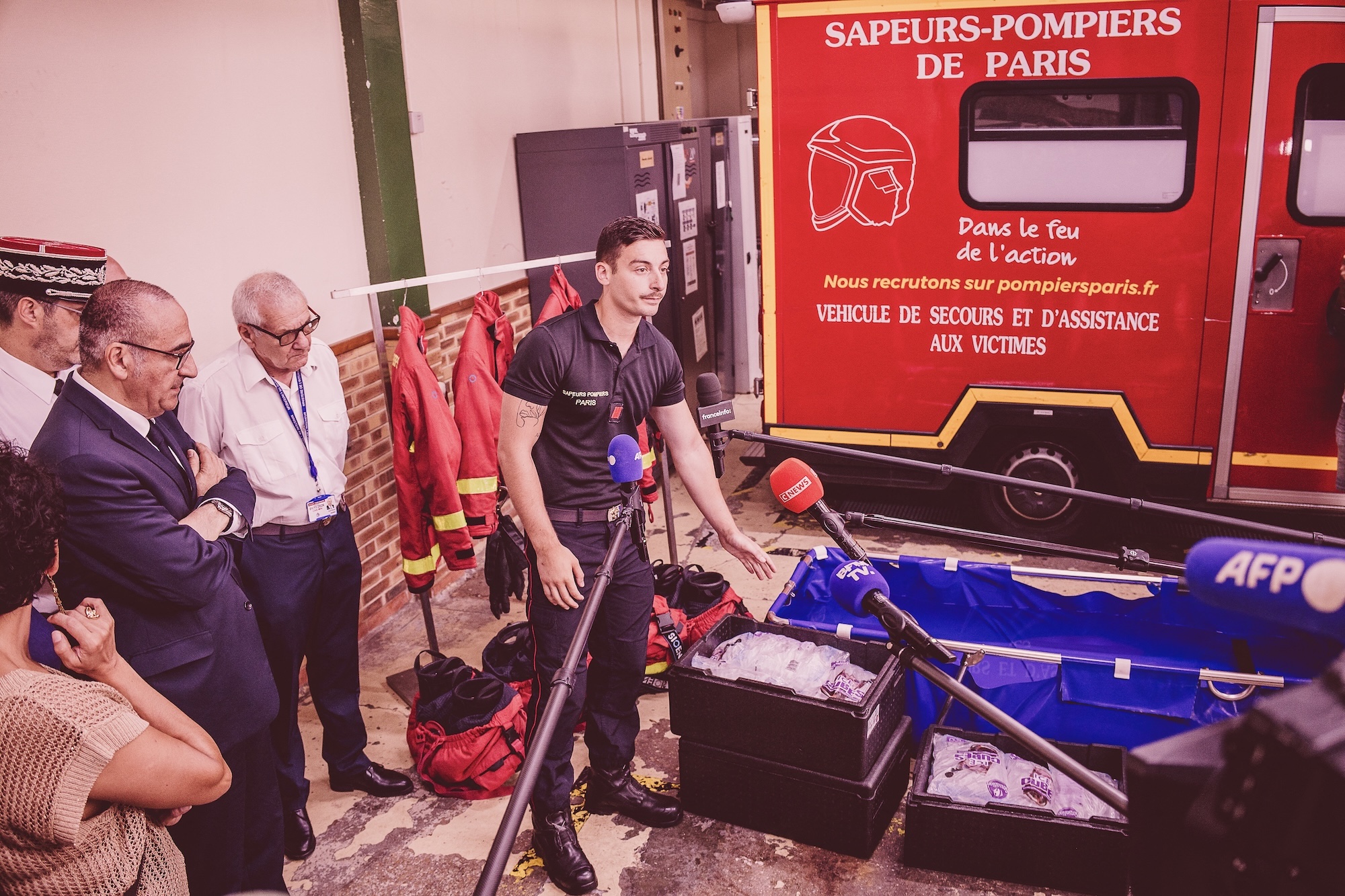
The crisis peaked in late August, when emergency services in major European cities reported being stretched to their breaking point. Ambulances were diverted from standard calls to address heat-related illnesses, including severe heatstroke and organ failure. The economic and social strain was compounded by the failure of aging power grids and the buckling of transit infrastructure, forcing a re-evaluation of urban planning in a world where heat waves are no longer seasonal anomalies, but expected components of the calendar.
The Confluence of Two Climate Drivers
The intensity of the 2026 heat events is largely attributed to the intersection of two powerful forces: the maturation of an El Niño cycle and the persistent, human-driven rise in global greenhouse gas concentrations. El Niño, a periodic climate phenomenon that alters ocean temperatures and atmospheric circulation, generally brings higher global temperatures. The current cycle is projected by the United Nations to be the most significant in at least a millennium, effectively "supersizing" the baseline warming already caused by fossil fuel emissions.
While El Niño is a natural driver, the foundational problem remains the warming effect of the Earth’s atmosphere as it traps heat. Since the signing of the Paris Agreement in 2015, nations have sought to limit global temperature increases to 1.5 degrees Celsius above preindustrial levels. However, a landmark report released by the United Nations Environment Programme (UNEP) last week confirmed that this goal is now effectively unattainable. The report indicates that the world is on a trajectory to overshoot this threshold within the next few years, a development that scientists warn will lead to more frequent and intense droughts, wildfires, and sea-level rise.
The Failure of Current Adaptation Strategies
The gulf between current global preparedness and the reality of a warming planet is growing wider. Dr. Kristie Ebi, a professor of global health at the University of Washington and a lead author of the U.N. report, emphasizes that no region is sufficiently adapted to the severity of these events. While wealthy nations possess more resources to combat heat, they are not immune to the systemic failures that occur when temperatures exceed design tolerances.
Historical context provides some hope, yet reveals the limits of current intervention. After the catastrophic 2003 European heat wave, which claimed approximately 70,000 lives, several nations—notably France—implemented aggressive public health measures. These included the creation of mandatory air-conditioned zones in nursing homes, systematic outreach programs for the elderly, and the integration of "green cooling" in urban design. Christopher Callahan, a climate scientist at Indiana University, notes that these interventions have demonstrably lowered the mortality rate for specific heat waves. However, he warns that these measures are linear solutions to an exponential problem. "The heat waves are becoming so intense that they will outstrip that adaptation progress," Callahan stated, citing research that suggests current adaptation strategies may only prevent roughly 10 percent of expected heat-related fatalities in the coming decades.
The Biological Thresholds of Human Endurance
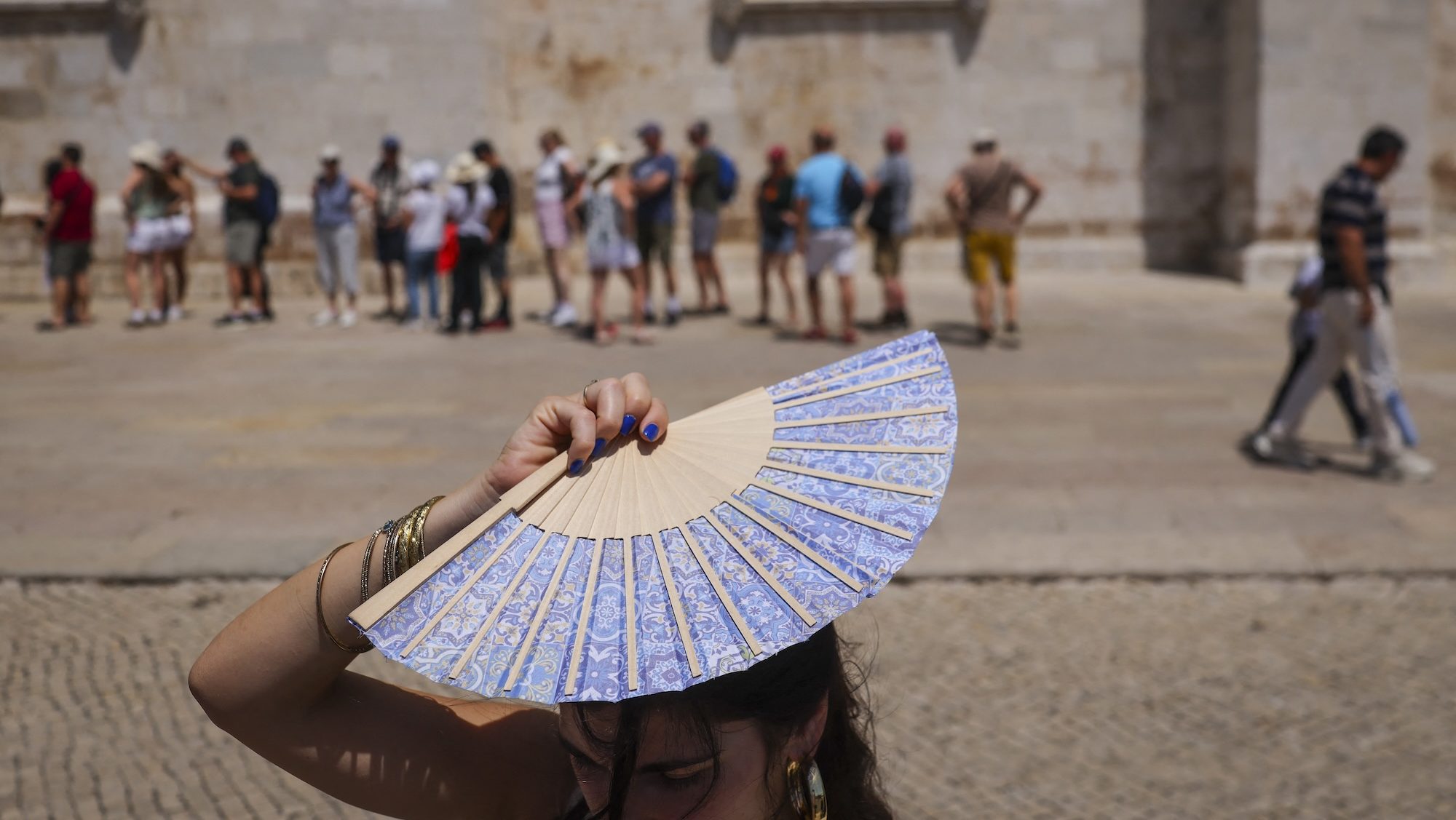
Public health officials are increasingly concerned that the medical community is lagging behind the reality of current heat thresholds. Emerging research suggests that the human body’s limit for heat and humidity is lower than previously understood. The "danger zone"—the point at which prolonged exposure becomes life-threatening—is now recognized as beginning at temperatures as low as 26 degrees Celsius (79 degrees Fahrenheit) when coupled with high humidity. At this level, the body’s cooling mechanisms, such as sweating, become ineffective, placing lethal stress on the heart, lungs, and kidneys.
Dr. Ebi points out that current early warning systems are still calibrated for traditional summer windows. When extreme heat occurs in late spring or early autumn, or when temperatures exceed historical maximums by wide margins, these systems often fail to alert the public with the necessary urgency. The 2026 experience in Europe demonstrated that even developed, well-informed nations are susceptible to a "surprise factor" when events shift outside the bounds of historical precedent.
Economic and Infrastructure Implications
The broader implications of this environmental shift extend far beyond individual health. When temperatures reach extremes, the built environment begins to fail in ways that were previously unimaginable to urban planners. The 2021 Pacific Northwest "heat dome" served as a precursor to this, where roads buckled, bridges warped, and power lines sagged or melted. These events represent a significant economic drain, as infrastructure requires constant, costly retrofitting to withstand higher heat.
Furthermore, the U.N. report warns that even in a best-case scenario—where the world peaks at 1.8 degrees Celsius and manages to slowly cool—the ecological damage will be largely irreversible. Lost biodiversity, including the collapse of coral reefs and the loss of glacial ice, will be permanent features of the new climate. The challenge now is to shift the focus from merely "meeting goals" to "stress testing" society against worst-case scenarios.
"There are a million different ways in which we can imagine making our society resilient to this kind of threat," Callahan noted. "And we just aren’t there yet."
Toward a New Framework of Resilience
As the world looks toward 2027, which scientists predict will likely be the hottest year on record, the conversation is shifting from mitigation to radical adaptation. This includes:
- Systemic Stress Testing: Moving away from static emergency plans and adopting dynamic, scenario-based modeling—similar to how financial institutions and military organizations prepare for systemic collapse.
- Urban Re-engineering: Moving beyond mere cooling centers to redesigning cities to reflect the reality of higher heat, including increased canopy coverage, reflective pavement, and heat-resistant infrastructure.
- Cross-Sector Integration: Bridging the gap between meteorologists, public health officials, and urban planners to ensure that warning systems are not just accurate, but actionable across every level of government.
The consensus among experts is clear: the era of assuming historical climate data will predict future outcomes has ended. The extreme events of 2026 have proven that the environment is no longer behaving within the parameters of the 20th century. While the overshoot of the 1.5-degree goal is a sobering milestone, it serves as an urgent call to prioritize the protection of the most vulnerable and to fundamentally reshape how human civilization exists within a rapidly warming atmosphere. The "dress rehearsal" has concluded; the reality of the future is now the present challenge.
Related posts: