The Evolution of the Modern Theme Park Experience A Comparative Analysis of Walt Disney World and Disneyland Resort Logistics

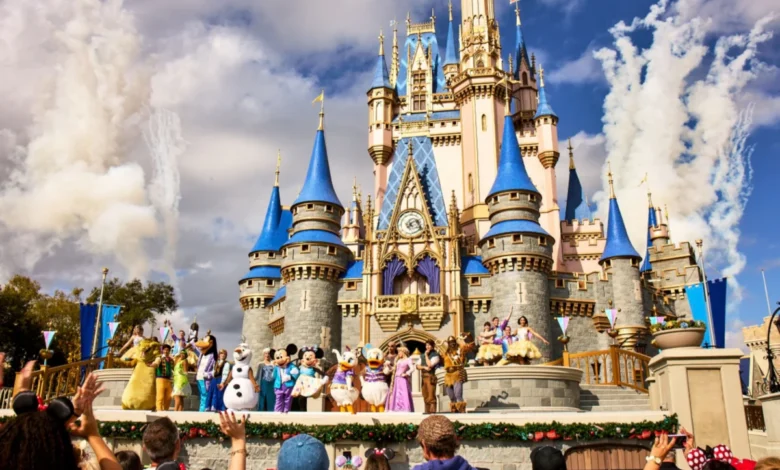
The landscape of domestic themed entertainment in the United States is dominated by two primary hubs: Disneyland Resort in Anaheim, California, and Walt Disney World Resort in Lake Buena Vista, Florida. While both share a common lineage and core intellectual properties, the operational scale and visitor expectations differ significantly between the two. For travelers accustomed to the "intimate" and compact nature of Disneyland, the transition to the sprawling infrastructure of Disney World represents a logistical shift from a leisure activity to a complex strategic operation. This analysis explores the thematic, technological, and logistical nuances of the Florida resort through the lens of a multi-day family expedition, highlighting the evolving standards of the global theme park industry.
The Geographical and Administrative Scale of Disney World
To understand the complexity of a Disney World vacation, one must first address the scale of the property. Often described as a self-governing city, the resort encompasses approximately 25,000 acres—an area roughly the size of San Francisco or twice the size of Manhattan. This territory is managed via the Central Florida Tourism Oversight District (formerly the Reedy Creek Improvement District), a special taxing district that allows the resort to oversee its own land use, fire protection, and essential services.
Unlike Disneyland, which consists of two theme parks and three hotels within walking distance of one another, Disney World features four major theme parks—Magic Kingdom, Epcot, Disney’s Hollywood Studios, and Disney’s Animal Kingdom—alongside two water parks, over 30 resort hotels, and a massive retail district. These entities are stitched together by a sophisticated transportation network including highways, ferry boats, a monorail system, the Disney Skyliner aerial gondolas, and a fleet of buses. For the modern visitor, navigating this "city" requires a transition from the claustrophobic intimacy of the California parks to a "logistics marathon" where transit times must be factored into every decision.

The Strategy of the Rope Drop and Early Entry Tactics
A cornerstone of the experienced park-goer’s strategy is the "rope drop." This industry term dates back to the early years of Disney operations when employees would physically drop a rope at the park’s entrance to signal the start of the day. In the contemporary era, the rope drop has evolved into a tactical advantage. Visitors who arrive 15 to 30 minutes prior to official opening times—often referred to as "Early Theme Park Entry" for resort guests—can access high-demand attractions before wait times escalate.
Data from theme park wait-time aggregators suggests that the first 90 minutes of park operation are the most productive for visitors. At Disney World, where daily attendance can exceed 50,000 people per park, getting ahead of the morning crowd allows a family to maintain a "lead" on the wait-time curve for the remainder of the day. However, logistical hurdles such as East Coast jet lag for Western travelers and the inherent delays of transporting young children often complicate the execution of this strategy.
Magic Kingdom: Balancing Nostalgia and Modern Efficiency
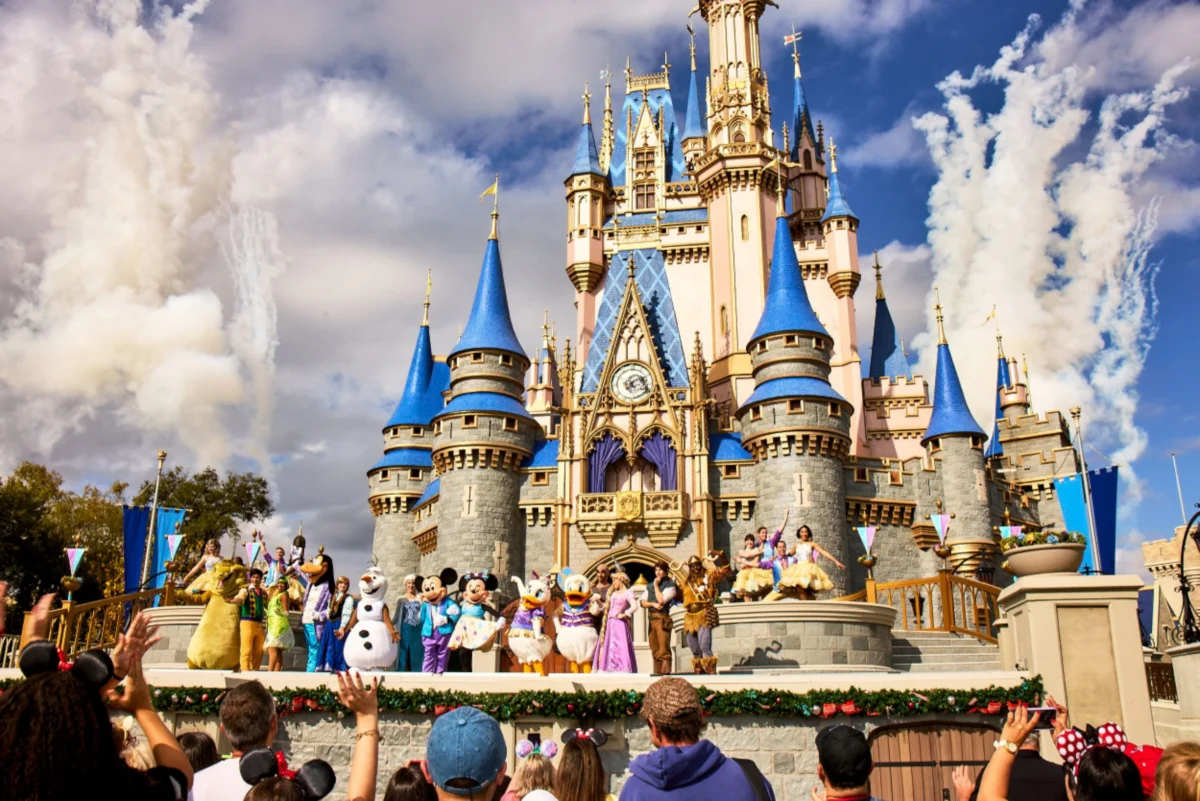
The Magic Kingdom remains the flagship of the Florida resort, mirroring the layout of Disneyland’s original park but on a larger, more robust scale. While attractions like Pirates of the Caribbean exist in both locations, the Magic Kingdom iteration is often part of a broader infrastructure designed to handle higher throughput.
One of the park’s most significant recent additions is the Seven Dwarfs Mine Train, a high-tech roller coaster that utilizes a patented "tilting" vehicle system to simulate the swaying of a mine car. Because this attraction does not exist at the California resort, it represents a primary target for "Lightning Lane" reservations—Disney’s paid expedited entry system.

The operational philosophy at Magic Kingdom emphasizes "Cast Member" interaction to mitigate the stresses of high-capacity crowds. For example, the resort’s hospitality standards are often demonstrated in real-time problem solving, such as providing replacement footwear for children who lose shoes during ride boarding—a common occurrence that the park manages with standardized grace to maintain the "immersion" of the experience.
Epcot: From Educational World’s Fair to Lifestyle Destination
Epcot, originally envisioned by Walt Disney as the Experimental Prototype Community of Tomorrow, has undergone a significant transformation. Once perceived as a more "adult" or educational park, it has evolved into a premier lifestyle destination centered around the World Showcase—a 1.2-mile loop featuring 11 pavilions representing different nations.
The park has successfully bridged the gap between education and entertainment through the introduction of Guardians of the Galaxy: Cosmic Rewind. This attraction is one of the world’s longest fully enclosed coasters and features a first-of-its-kind "omnicoaster" system that rotates the vehicle 360 degrees to direct the rider’s attention to specific narrative elements.
For adults, the "World Showcase" offers a unique cultural experience, albeit a simulated one. The unofficial "Drinking Around the World" challenge has become a popular activity, where visitors sample traditional beverages and cuisine from the various pavilions, such as margaritas at the Mexico pavilion’s La Cava del Tequila or sake in Japan. This shift toward high-end culinary and beverage offerings has positioned Epcot as a venue that caters as much to the epicurean adult as it does to the thrill-seeking child.

Hollywood Studios and the Apex of Immersive Technology
Disney’s Hollywood Studios has emerged as the resort’s center for technological innovation and immersive storytelling. The park’s recent expansions, specifically Toy Story Land and Star Wars: Galaxy’s Edge, represent the current gold standard of theme park design.
Star Wars: Rise of the Resistance is widely cited by industry analysts as the most technologically advanced theme park attraction ever constructed. With an estimated development cost between $400 million and $500 million, the ride is a 20-minute multi-part experience that combines trackless vehicle technology, advanced animatronics, and massive projection surfaces.
Complementing the high-octane attractions are "themed environments" like Oga’s Cantina. These windowless, highly detailed spaces are designed to remove the guest from the reality of a Florida theme park and place them inside a cinematic narrative. The use of theatrical effects, such as "Carbon Freeze" mocktails that utilize dry ice for visual impact, underscores the resort’s commitment to "sensory immersion."
The Economic and Psychological Architecture of "Engineered Joy"
The modern Disney World vacation is often described as "work" by those who undertake it. The combination of extreme heat, high costs, and the mental load of managing digital reservations through the My Disney Experience app creates a high-pressure environment. However, sociological studies of theme park tourism suggest that these "high-effort" vacations often yield "high-reward" psychological outcomes.

The "Disney Effect" refers to the collapse of the generational distance between parents and children. By placing families in a highly controlled, fantastical environment, the resort facilitates a shared belief in a singular narrative. This "mythmaking" is an ancient human tradition scaled to a multi-billion-dollar industry. The engineering of joy is not merely about the mechanics of a roller coaster, but about the creation of a "shared illusion" where both parent and child are aligned in their goals and expectations.
Strategic Planning and Professional Consultation
Given the complexity of the Disney World ecosystem, a new sector of the travel industry has flourished: the Disney Specialist. Agencies such as Travel Magic provide expert consultation on hotel selection, "Lightning Lane" strategy, and dining reservations. For many families, the cost of a professional planner is offset by the time saved and the reduction in logistical friction.
Key recommendations for modern families include:
- On-Site Lodging: Staying at resorts like Disney’s Contemporary Resort provides a "monorail-in-the-lobby" experience and walking access to the Magic Kingdom, allowing for mid-day breaks that are essential for preventing "theme park burnout."
- Advance Planning: Height requirements and ride availability should be vetted weeks in advance to manage children’s expectations.
- Digital Proficiency: Mastery of the Lightning Lane system is no longer optional for those wishing to see the park’s top-tier attractions without multi-hour waits.
Conclusion: The Scale of Wonder
As Disney World approaches its next decade of operation, the resort continues to redefine the boundaries of what a theme park can be. It has transitioned from a collection of rides into a vast, interconnected engine of storytelling. While the scale can be daunting and the logistics demanding, the resort’s ability to "give shape to wonder" remains its most potent product. Whether through the technological marvel of a $500 million ride or the simple sight of fireworks from a spinning carousel, the "Magic Kingdom" continues to function as a global benchmark for the intersection of technology, hospitality, and human imagination.