What To Watch Nosferatu Is Creepy In The Best Way Possible
Nosferatu: A Masterclass in Existential Dread and Visual Terror
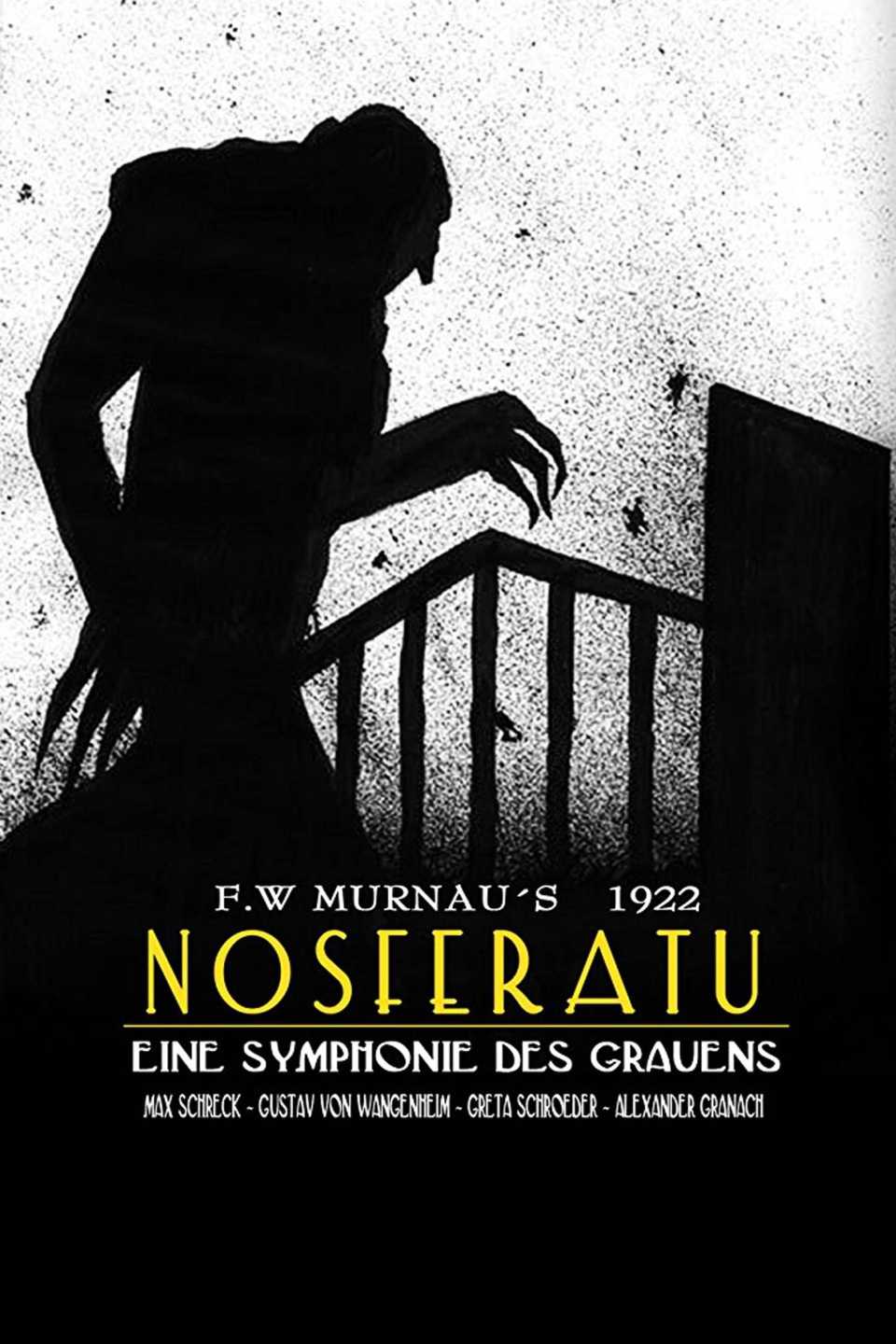
F.W. Murnau’s 1922 silent masterpiece, Nosferatu, eine Symphonie des Grauens (Nosferatu: A Symphony of Horror), remains a towering achievement in cinematic history, not for jump scares or gore, but for its profound and unsettling evocation of dread. Its creepiness is not gratuitous; it’s intrinsic to its artistic vision, a meticulously crafted exploration of primal fears and societal anxieties. This is a film that burrows under your skin, its imagery seared into the collective consciousness of horror aficionados. If you’re seeking a cinematic experience that transcends mere entertainment and delves into the psychological abyss, Nosferatu is an essential watch. Its enduring power lies in its masterful use of light and shadow, its iconic performance, and its thematic resonance, all of which contribute to a pervasive sense of unease that is both intellectually stimulating and viscerally chilling.
The foundational element of Nosferatu‘s creepiness is its groundbreaking visual style. Murnau, a pioneer of German Expressionism, employs stark contrasts and distorted perspectives to create a world that is both alien and disturbingly familiar. The shadowy interiors of Count Orlok’s castle are a labyrinth of oppressive darkness, punctuated by slivers of moonlight that cast long, distorted shadows, amplifying the sense of isolation and confinement. This is not the Gothic melodrama of later vampire films; this is a primal, elemental fear of the unknown lurking in the periphery. The exteriors, too, are rendered with an uncanny atmosphere. The windswept landscapes and mist-shrouded towns of Wisborg are not romantic backdrops, but rather extensions of the encroaching dread. Nature itself seems infected, mirroring the pestilence that Orlok brings with him. The film’s cinematography, though monochromatic, is imbued with a richness that speaks volumes about the psychological state of its characters and the encroaching horror. Each frame is a carefully composed painting of dread, utilizing architectural angles and blocking to create visual discomfort. The stark, angular shapes of the buildings and the oppressive emptiness of the streets all contribute to a palpable sense of unease, a world teetering on the brink of the unnatural.
At the heart of Nosferatu‘s terror is Max Schreck’s unforgettable portrayal of Count Orlok. Schreck’s performance is an embodiment of unnatural existence. He eschews the suave seducer trope, instead presenting Orlok as a creature utterly devoid of humanity. His gaunt, emaciated frame, the elongated fingers, the protruding fangs that are more like rodent incisors than predatory weapons, and the unnerving, rat-like movements all contribute to a creature that is inherently repugnant and terrifying. Schreck’s eyes, often described as predatory and ancient, convey a profound emptiness, a void where empathy or compassion should be. His presence is not one of charisma, but of a palpable, chilling alienness. He is not a romantic figure; he is a disease, a harbinger of death. The way he moves, with a jerky, unsettling gait, and the way he stares with an almost vacant intensity, are deeply disturbing. There’s a vulnerability in his grotesque appearance, but it’s a vulnerability that arises from his utter otherness, not from any relatable human emotion. This is a creature born of decay and unnatural hunger, and Schreck’s performance perfectly captures that essence. His silent performance, relying entirely on physicality and expression, is a masterclass in conveying pure, unadulterated menace.
Thematically, Nosferatu is far more than a simple ghost story. It’s a chilling allegory for the societal anxieties of its time. The film was released in the aftermath of World War I and amidst the ravages of the Spanish Flu pandemic. Orlok, the parasitic vampire, can be interpreted as a metaphor for the devastating impact of war and disease, draining the lifeblood from society. The plague that Orlok unleashes upon Wisborg directly mirrors the real-world fears of contagion and death that permeated post-war Europe. The film taps into a primal fear of invasion, of an unseen enemy that corrupts and destroys from within. The creeping dread that emanates from Orlok’s arrival reflects a society grappling with immense loss and uncertainty, where the familiar structures of life felt fragile and susceptible to collapse. The film’s exploration of class disparity, with the wealthy officials indifferent to the suffering of the common people, further adds to its thematic depth. Orlok preys on the vulnerable, a predatory force that exploits the cracks in society, amplifying the existing fears of a populace already reeling from unprecedented upheaval.
The pacing of Nosferatu is deliberately slow and methodical, a key contributor to its unsettling atmosphere. Murnau allows the dread to build gradually, relying on sustained tension rather than sudden shocks. This measured approach forces the audience to lean in, to actively engage with the encroaching horror. The film doesn’t rush its scares; it allows them to fester. This deliberate pacing creates a sense of inevitability, a feeling that the darkness is closing in regardless of any efforts to escape. The long, lingering shots of Orlok’s arrival, or his silent stalking through the deserted streets, create a profound sense of unease. The audience is made to wait, to anticipate the inevitable horror, and this anticipation itself becomes a source of terror. It’s a testament to Murnau’s directorial prowess that he can sustain such a potent sense of dread for the film’s entire runtime without resorting to overt sensationalism. This commitment to atmospheric horror is what elevates Nosferatu beyond its contemporaries and continues to resonate with audiences today.
The film’s use of silence is another crucial element of its creepiness. In a silent film, the absence of sound can be as powerful, if not more so, than its presence. The moments of complete silence in Nosferatu are pregnant with unspoken terror. The absence of dialogue forces the audience to rely on visual cues and their own imaginations to fill in the gaps, amplifying the sense of dread. The musical score, when present, is often dissonant and unsettling, further contributing to the film’s unnerving atmosphere. The lack of spoken words makes Orlok’s actions and intentions all the more chilling, as there is no dialogue to explain his motivations or alleviate any potential empathy. His silent predatory nature becomes all the more apparent, highlighting his purely instinctual and monstrous being. The audience is left to interpret his every move through the lens of visual storytelling, and in Nosferatu, those visual cues are relentlessly terrifying. The very silence of the film amplifies the visual impact of Orlok’s presence, making his every movement and gesture more pronounced and disturbing.
The narrative, while seemingly straightforward, is laced with subtext. The story of Ellen Hutter, the devoted wife whose sacrifice ultimately confronts the vampire, introduces a powerful feminine element to the horror. Her resilience and her willingness to confront the darkness, even at great personal cost, provides a counterpoint to the pervasive malevolence. However, even in her heroism, there is a somberness, a sense that the victory is hard-won and comes at a profound price. The film’s ending, while offering a form of salvation, is not a triumphant Hollywood finale. It’s a qualified victory, tinged with the lingering presence of the horror that has passed and the knowledge that such darkness can always return. The emphasis on Ellen’s vulnerability and her eventual courage underscores the film’s broader themes of societal decay and the struggle for survival against overwhelming odds. Her act of defiance, though ultimately successful in its immediate aim, highlights the profound cost of confronting pure evil.
Beyond its thematic and stylistic achievements, Nosferatu is a foundational text for the vampire genre. It established many of the tropes that would be endlessly revisited and reinterpreted by filmmakers for decades to come. The idea of a vampire as a creature of disease and decay, rather than romantic allure, was revolutionary. The film’s influence can be seen in everything from Universal’s classic horror films to modern reinterpretations of the vampire mythos. Its visual language and its focus on atmospheric dread have been emulated by countless directors seeking to create a truly unsettling horror experience. Films like Werner Herzog’s 1979 remake, Nosferatu the Vampyre, which leans into the tragic loneliness of the creature, and even contemporary films that explore the psychological dimensions of horror, owe a debt to Murnau’s original vision. The film’s impact is not merely historical; its aesthetic and thematic innovations continue to inform and inspire horror filmmaking.
In conclusion, Nosferatu is a film that transcends its era and its genre. Its creepiness is not superficial; it is deeply ingrained in its artistic vision, its thematic concerns, and its masterful execution. It’s a film that demands to be seen and experienced, a chilling reminder of the primal fears that lie dormant within us and the enduring power of visual storytelling to evoke profound, existential dread. Its legacy is not just as a silent film or an early horror classic, but as a timeless exploration of darkness, disease, and the unsettling nature of the unknown that continues to haunt and captivate audiences to this day. If you are looking for a film that will linger in your mind long after the credits roll, a film that offers intellectual depth alongside its visceral terror, then Nosferatu is an unparalleled choice. It’s a testament to the power of cinema to disturb, to provoke thought, and to create a unique and unforgettable brand of fear.