Young Dancers Connect With Polynesian Roots Before Warriors Game

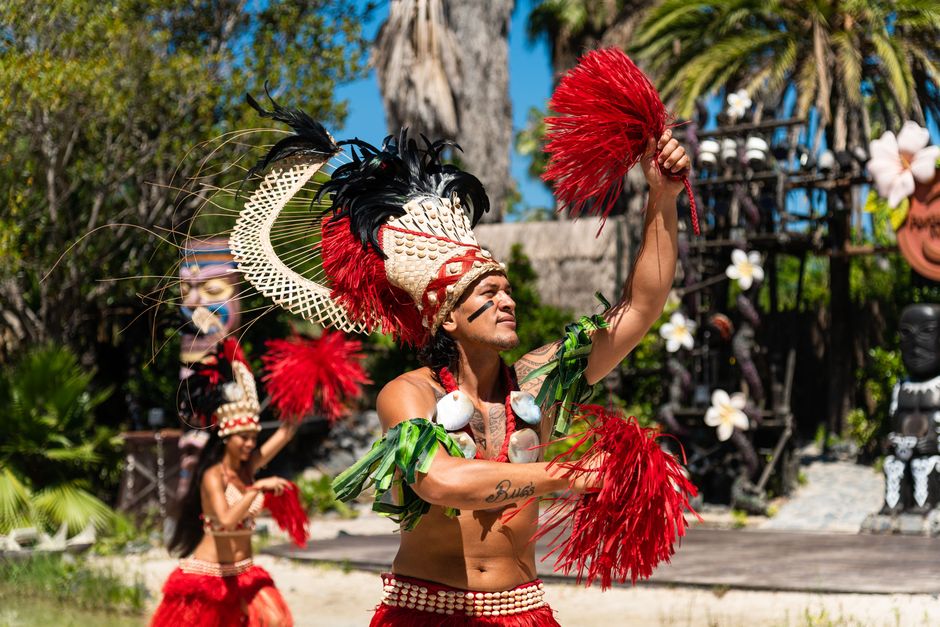
Rhythmic Echoes: Young Polynesian Dancers Connect with Ancestral Roots Before Warriors Game
The vibrant energy of a Golden State Warriors game is amplified long before tip-off, as a new generation of Polynesian dancers takes center stage, not just for entertainment, but as living conduits to their ancestral heritage. These young performers, often hailing from communities deeply intertwined with the Pacific Islands, are finding profound meaning in the rhythmic storytelling and powerful movements of traditional Polynesian dance, forging a vital connection to their cultural roots in the heart of a modern sporting arena. This connection transcends mere performance; it’s a conscious effort to preserve, celebrate, and transmit a rich legacy, transforming a pre-game spectacle into a powerful cultural immersion for both the dancers and the audience. The art of Polynesian dance, encompassing styles like Hula from Hawaii, Ori Tahiti from French Polynesia, and Siva Samoa from Samoa, is not just about graceful movements or energetic stomps; it’s a language of history, mythology, spirituality, and daily life. For these young individuals, who navigate a world often saturated with Western influences, the opportunity to embody this ancient art form before a massive, diverse crowd offers a unique platform for cultural affirmation and intergenerational dialogue. It’s a chance to speak the language of their ancestors, to feel the pulse of their heritage beating within them, and to share that powerful rhythm with thousands. The very act of learning and performing these dances requires discipline, dedication, and a deep understanding of the stories being told. Each gesture, each facial expression, each drumbeat carries layers of meaning, often rooted in oral traditions passed down through generations. This process of learning isn’t just about mastering choreography; it’s about absorbing history, understanding values, and fostering a sense of belonging to something larger than oneself.
The modern sporting event, particularly one as globally recognized as a Warriors game, presents an unexpected yet powerful nexus for this cultural transmission. The roar of the crowd, the electrifying atmosphere, and the shared anticipation create a fertile ground for presenting traditional arts. For the young dancers, this is not just a stage; it’s a responsibility. They are the living embodiment of stories that have been sung, danced, and passed down through generations, often on island shores and in community gatherings. To perform these dances in a contemporary, global setting is to demonstrate that their culture is not a relic of the past but a vibrant, evolving force. This act of performance serves as a powerful counter-narrative to any perception of cultural assimilation or loss. It showcases resilience, pride, and the enduring strength of Polynesian identity. The dancers often speak of feeling a profound sense of empowerment and connection when they perform. The intricate hand gestures of Hula, the powerful footwork of Ori Tahiti, or the dynamic drumming of Siva Samoa are not merely physical actions; they are expressions of stories that have shaped their ancestors’ lives and continue to resonate with their own. They are dancing the stories of creation, of heroes and heroines, of love and loss, of the natural world, and of the spiritual connections that bind them to their land and their people. This deep understanding imbues their performances with an authenticity and power that captivates audiences.
The preparation for such a performance is an intensive and multifaceted endeavor, extending far beyond mere memorization of steps. It involves a deep dive into the cultural context of each dance. This includes learning the accompanying chants and songs, understanding their lyrical meanings, and recognizing the historical or mythological narratives they convey. Choreography itself is a language, and mastering it requires not only physical dexterity but also a keen intellectual and emotional understanding. The young dancers are often guided by elders and cultural practitioners who impart not only the technical aspects of the dance but also the deeper spiritual and philosophical underpinnings. This mentorship is crucial, as it ensures that the dances are performed with integrity and respect for their origins. The dedication required is immense. Hours are spent in practice, refining movements, building stamina, and perfecting synchronicity within the group. Beyond the physical, there’s an emotional and spiritual commitment. The dancers are encouraged to embody the spirit of the dance, to connect with the emotions and intentions behind each movement. This holistic approach to training fosters a profound sense of discipline, teamwork, and cultural stewardship among the young performers. They learn to be not just dancers, but custodians of their heritage.
Furthermore, the process of learning and performing these dances often strengthens familial and community bonds. Dance troupes are frequently formed within cultural organizations or extended family networks. This creates a supportive environment where knowledge is shared, skills are honed collectively, and a sense of collective identity is reinforced. Grandparents share stories and traditional teachings, parents provide logistical support, and peers motivate each other. This intergenerational transmission of culture is vital for its survival and evolution. The Warriors game then becomes a culmination of this collective effort, a moment where the entire community can witness and celebrate the fruits of their shared dedication. The visibility afforded by a major sporting event amplifies the significance of these performances, serving as a powerful statement of cultural presence and pride. It’s a moment of cultural affirmation on a grand scale, demonstrating to the wider world the richness and vitality of Polynesian traditions. The dancers, by stepping onto this platform, become ambassadors of their heritage, sharing its beauty and depth with a diverse audience.
The impact of these pre-game performances extends beyond the immediate spectacle. For the young dancers themselves, the experience is transformative. It builds confidence, fosters leadership skills, and instills a deep sense of pride in their cultural identity. They gain a tangible connection to their ancestors, understanding that they are part of a lineage that stretches back centuries. This connection can be particularly impactful in navigating the complexities of modern life, providing a grounding sense of self and belonging. They learn to appreciate the depth and richness of their heritage, understanding that it’s not just a collection of traditions but a living, breathing entity that continues to evolve. This appreciation can lead to a lifelong commitment to cultural preservation and advocacy. For the audience, these performances offer a window into a vibrant and diverse culture. It’s an opportunity to witness the beauty, power, and storytelling inherent in Polynesian dance, fostering cross-cultural understanding and appreciation. The visual and auditory experience of a traditional dance performance can be deeply moving, transcending language barriers and creating a shared human experience.
The storytelling aspect of Polynesian dance is fundamental to its enduring appeal and its role in cultural preservation. Each dance is a narrative, conveyed through intricate hand gestures, expressive facial movements, powerful body language, and rhythmic footwork. Hawaiian Hula, for instance, is renowned for its graceful movements that illustrate Hawaiian legends, mythology, and the natural beauty of the islands. The hands paint pictures in the air, depicting the ocean waves, the rustling leaves, or the flight of a bird. Ori Tahiti, on the other hand, is characterized by its dynamic hip movements and energetic storytelling, often depicting tales of ancient warriors, love stories, or the power of the gods. Siva Samoa, with its rhythmic chanting and percussive drumming, often tells stories of valor, community, and the sacred connection to the land. These dances are not simply entertainment; they are living histories, carrying the wisdom, values, and experiences of generations. By learning and performing these dances, young individuals are not just acquiring physical skills; they are becoming conduits of this ancestral knowledge, ensuring its survival and perpetuation. They are learning to interpret and communicate complex narratives through movement, a skill that fosters creativity and a deep connection to their heritage.
The integration of these performances into the pre-game festivities of a major sporting event like a Warriors game is a strategic and impactful choice. It leverages the immense popularity and broad audience of professional sports to showcase and celebrate Polynesian culture. This creates a powerful synergy, where the excitement of the game is amplified by the cultural richness of the performance, and vice versa. For many in the audience, it might be their first exposure to authentic Polynesian dance, sparking curiosity and a desire to learn more. This can lead to increased engagement with cultural events and a greater appreciation for the diversity of human expression. The dancers, by performing on such a prominent stage, gain valuable experience in public speaking, performance, and cultural representation. They learn to command a large audience, to project their energy, and to share their passion with conviction. This builds their self-assurance and equips them with skills that are transferable to many aspects of their lives. The Warriors organization, by actively including these cultural performances, demonstrates a commitment to inclusivity and the celebration of diverse communities. This fosters a sense of belonging and loyalty among fans from various backgrounds, enriching the overall game-day experience.
The visual spectacle of these young dancers, adorned in traditional attire – often crafted with intricate detail and symbolic meaning – further enhances the cultural immersion. The vibrant colors of their costumes, the rhythmic beat of the drums, and the synchronized movements of the performers create an arresting visual and auditory tapestry. This sensory experience is crucial in capturing the attention of a diverse audience and communicating the essence of Polynesian culture. Each element of the performance, from the choice of music to the styling of the dancers’ hair and adornments, is carefully considered to convey a sense of authenticity and respect for tradition. The costuming itself often tells a story, with specific patterns and materials having symbolic significance passed down through generations. This attention to detail underscores the dancers’ commitment to honoring their heritage and presenting it with integrity. The drumming, in particular, is a powerful element, acting as the heartbeat of the performance, driving the rhythm and intensity of the dance. The intricate footwork, often accompanied by loud, percussive sounds created by anklets and leg adornments, adds another layer of sonic texture and visual dynamism.
In conclusion, the act of young Polynesian dancers connecting with their ancestral roots before a Warriors game is far more than a pre-game entertainment segment. It is a powerful demonstration of cultural resilience, a vibrant celebration of heritage, and a vital intergenerational dialogue. These performances serve as a bridge between the past and the present, showcasing the enduring strength and beauty of Polynesian traditions to a global audience. The discipline, dedication, and deep cultural understanding that these young individuals bring to their craft are inspiring. They are not just performing dances; they are embodying stories, preserving legacies, and ensuring that the rhythmic echoes of their ancestors continue to resonate for generations to come, amplified on the grand stage of a modern sporting arena. This practice highlights the dynamic nature of cultural preservation, demonstrating how ancient traditions can find new life and relevance in contemporary settings, enriching both the performers and the audiences they touch.


