Tesla Estimates Cut Further On Unprecedented Brand Damage
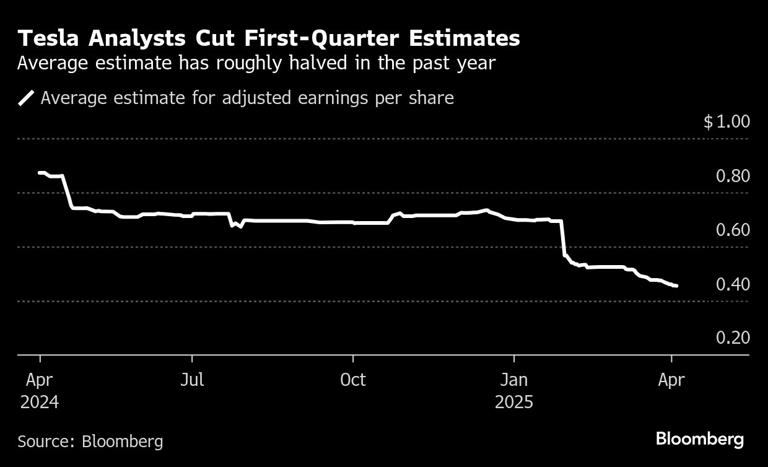
Tesla Estimates Cut Further on Unprecedented Brand Damage
The once unassailable aura of Tesla, a brand synonymous with electric vehicle innovation and forward-thinking technology, has been severely tarnished, leading to a significant downward revision of sales and production estimates. This erosion of brand value, driven by a confluence of factors including Elon Musk’s erratic public persona, persistent quality control issues, and increasing competition, has forced analysts and the company itself to temper expectations. The impact is not merely a minor adjustment; it represents a fundamental reevaluation of Tesla’s market position and its ability to command premium pricing and sustained growth. This article delves into the multifaceted reasons behind this unprecedented brand damage and its tangible consequences on Tesla’s financial outlook.
Elon Musk’s increasingly controversial public statements and actions have undeniably played a pivotal role in this brand devaluation. His frequent, often impulsive, pronouncements on social media, particularly on X (formerly Twitter), have alienated a significant portion of the consumer base and even some investors. From controversial political stances to his handling of the X platform itself, Musk’s personal brand has become intrinsically linked with Tesla’s, and when his public image suffers, so too does the company’s. This is particularly problematic for a company that has, for so long, relied on Musk’s visionary leadership and cult of personality to drive sales and brand loyalty. Critics argue that his focus has shifted away from Tesla, with his attention seemingly divided among multiple ventures, leading to a perception of neglect and a dilution of his direct involvement in the EV giant. This perceived lack of dedicated leadership, coupled with his often volatile public persona, creates an unsettling atmosphere for consumers who once saw him as a benevolent futurist and now perceive him as a liability.
Beyond the leadership concerns, persistent quality control issues have continued to plague Tesla vehicles, further chipping away at its reputation for superior engineering. While Tesla has made strides in mass production, reports of panel gaps, paint defects, and software glitches remain a recurring theme in owner forums and automotive reviews. These manufacturing imperfections, when viewed in conjunction with the premium price point of Tesla vehicles, foster a sense of buyer’s remorse and dilute the aspirational appeal of the brand. For a company that positioned itself as a purveyor of high-end, meticulously crafted automobiles, these quality lapses are not just minor inconveniences; they are fundamental failures that undermine the core value proposition. The expectation for a Tesla was not just cutting-edge technology, but also impeccable build quality commensurate with its price. When this expectation is unmet, the damage to brand perception can be profound and long-lasting. Moreover, these issues are amplified by the transparency of the digital age, where negative experiences are shared instantly and widely, creating a domino effect of doubt and skepticism.
The competitive landscape has also intensified dramatically, diminishing Tesla’s once near-monopolistic advantage in the premium EV segment. Traditional automakers, initially slow to embrace electrification, have now launched a wave of compelling electric vehicles that offer comparable or superior features, build quality, and design at competitive price points. Brands like BMW, Mercedes-Benz, Audi, Porsche, and even mainstream manufacturers like Hyundai and Kia are now offering credible alternatives that cater to a broader spectrum of consumer preferences. These established players benefit from decades of automotive manufacturing expertise, robust dealer networks, and a pre-existing reputation for reliability and customer service, all areas where Tesla has historically faced criticism. The proliferation of high-quality EVs from established automakers means that consumers are no longer solely reliant on Tesla for their electric mobility needs. This increased choice empowers consumers and forces Tesla to compete not just on innovation, but on a more holistic evaluation of value, reliability, and overall ownership experience. The days of Tesla being the only viable option for a premium EV are long gone, and this increased competition directly impacts their pricing power and market share potential.
The impact of this brand damage is directly reflected in the downward revisions of Tesla’s sales and production estimates. Financial institutions and automotive industry analysts have consistently lowered their projections for Tesla’s future performance. This recalibration is not a speculative exercise; it is a data-driven assessment based on observable trends. Order backlogs have reportedly thinned, delivery times have shortened, and anecdotal evidence suggests a slowdown in demand, particularly for some of Tesla’s more established models. This deceleration in growth, when contrasted with the company’s previous hyper-growth trajectory, is a significant concern for investors and signals a potential plateauing of its market dominance. The narrative of relentless, exponential growth that propelled Tesla’s stock to stratospheric heights is now being replaced by more cautious forecasts, reflecting the newfound headwinds.
Furthermore, the erosion of brand perception directly impacts Tesla’s pricing power. Historically, Tesla has been able to command a premium price due to its innovative technology and brand cachet. However, as competition intensifies and brand loyalty wavers, Tesla is increasingly forced to engage in price reductions to stimulate demand. While these price cuts may temporarily boost sales figures, they also signal a weakening of the brand’s perceived value and can lead to a margin squeeze. Investors have become accustomed to Tesla’s industry-leading profit margins, and any significant decline in these figures due to pricing pressures can have a substantial negative impact on the stock price. The dynamic of Tesla dictating prices is shifting, and it is now increasingly being forced to react to market conditions and competitor pricing, a stark departure from its previous market-setting position. This is particularly evident in markets where established luxury brands are aggressively competing with their own EV offerings.
The shift in the automotive industry towards a more discerning consumer base also plays a crucial role. Early adopters were often willing to overlook certain shortcomings in exchange for being at the forefront of technological innovation. However, as EVs become more mainstream, a broader and more critical consumer segment is entering the market. These consumers prioritize factors such as long-term reliability, build quality, and a positive ownership experience, areas where Tesla’s brand has suffered. The aspirational appeal of the Tesla brand is slowly being tempered by practical considerations, and this is a significant challenge for a company that has long relied on emotional connection and a sense of exclusivity to drive sales. The "cool factor" is not enough when the practical realities of ownership, such as service availability and repair costs, come into play, and these are areas where Tesla has faced ongoing scrutiny.
The broader economic climate also presents a challenge, though one that is not unique to Tesla. Rising interest rates and economic uncertainty can dampen consumer spending, particularly on high-ticket items like vehicles. However, for a company like Tesla, which has been a darling of growth investors, a slowdown in demand due to economic headwinds can be particularly punishing. The market has come to expect robust sales performance regardless of external economic conditions, and any deviation from this expectation can lead to sharp stock price corrections. This makes Tesla particularly vulnerable to broader economic downturns, as its valuation is heavily predicated on continued rapid expansion.
Looking ahead, the path forward for Tesla is one that requires a significant recalibration of its brand strategy. Addressing the public perception issues surrounding Elon Musk, investing heavily in improving manufacturing quality and consistency, and developing more compelling and differentiated product offerings will be crucial. The company needs to demonstrate a renewed commitment to its core automotive business and rebuild trust with consumers who may have been disillusioned by recent events. This will involve not just technological advancements, but also a focus on the fundamental aspects of automotive manufacturing and customer service that have historically been areas of weakness. Without a concerted effort to mend its fractured brand image, Tesla’s future growth prospects and its ability to maintain its position as a leader in the EV market will be severely challenged. The company needs to prove that its innovation is not just about groundbreaking technology, but also about delivering reliable, high-quality vehicles that justify their premium pricing and foster long-term customer loyalty. The continued downward revisions in estimates are a clear signal that the market is demanding tangible proof of this renewed commitment.