Tag Us China Trade War

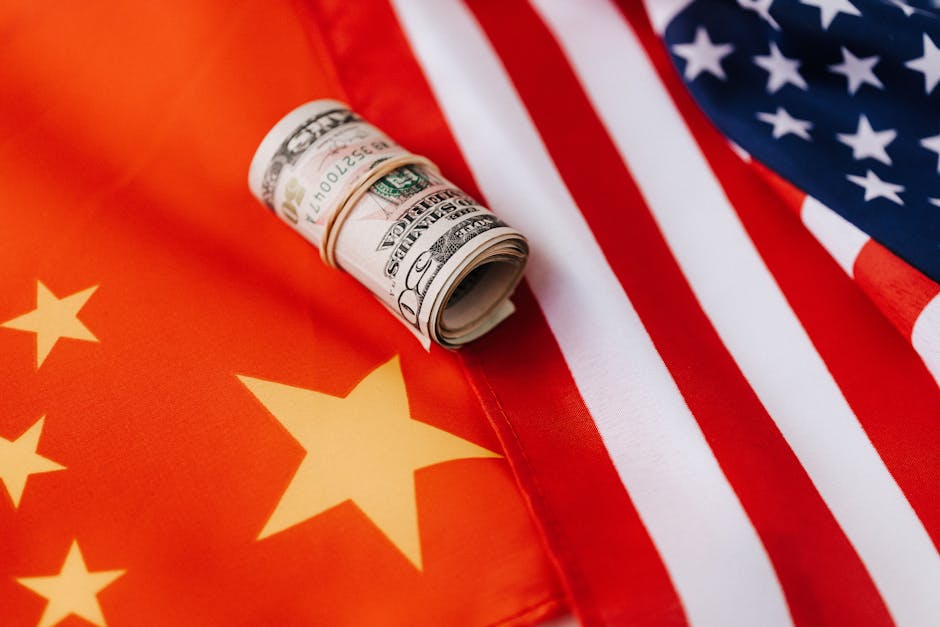
US China Trade War: A Deep Dive into Tariffs, Supply Chains, and Geopolitical Ramifications
The US-China trade war, initiated primarily through unilateral tariff impositions by the Trump administration starting in 2018, represents a significant disruption in global economic relations. At its core, the conflict is fueled by perceived imbalances in trade, intellectual property theft allegations, and broader geopolitical competition. The United States, under the banner of addressing a persistent trade deficit with China and forcing changes in Beijing’s economic practices, implemented a series of escalating tariffs on billions of dollars worth of Chinese goods. These tariffs were designed to make imported Chinese products more expensive for American consumers and businesses, thereby encouraging domestic production and pressuring China to alter its trade policies, particularly its subsidies to state-owned enterprises and requirements for technology transfer in exchange for market access. China, in turn, retaliated with its own set of tariffs on American exports, targeting key agricultural products and manufactured goods, aiming to inflict economic pain on American industries and exert political pressure on the Trump administration. This tit-for-tat escalation created considerable uncertainty for businesses globally, forcing them to re-evaluate their supply chains and manufacturing strategies.
The economic rationale behind the US imposition of tariffs was multifaceted. A central tenet was the reduction of the substantial bilateral trade deficit, which the US government viewed as indicative of unfair trade practices by China. The deficit, reaching hundreds of billions of dollars annually, was attributed to a combination of factors including China’s currency manipulation (though this claim was later largely dismissed), its state-led industrial policies that distort markets, and its aggressive pursuit of technological dominance. Another significant driver was the persistent complaint of intellectual property (IP) theft and forced technology transfer. US companies operating in China frequently reported being compelled to share proprietary technologies with Chinese partners as a condition for market entry, and instances of IP infringement, including counterfeiting and industrial espionage, were widespread. The tariffs were intended as leverage to compel Beijing to enact meaningful reforms in these areas, fostering a more level playing field for American businesses. Furthermore, the trade war was intertwined with a broader strategic competition between the two economic superpowers, with the US seeking to curb China’s rising global influence and challenge its Made in China 2025 initiative, a plan aimed at making China a leader in advanced manufacturing and technology sectors.
China’s response to the US tariffs was characterized by a retaliatory strategy designed to mitigate its own economic damage while simultaneously imposing costs on the US. Beijing’s retaliatory tariffs targeted a range of American goods, with a particular focus on agricultural products such as soybeans, pork, and corn, which are significant exports for key agricultural states whose representatives in Congress were seen as influential in supporting the Trump administration’s trade policies. This strategy aimed to create domestic political opposition within the US to the trade war. Beyond tariffs, China also explored other avenues to exert pressure, including the potential use of rare earth mineral exports as a bargaining chip, given China’s dominant global position in their production. The Chinese government also sought to accelerate its own domestic technological development and reduce its reliance on foreign technology, a process that gained further impetus as a result of the trade war. Diplomatic channels were actively utilized by China to rally international support against what it perceived as unilateral protectionist measures by the United States.
The impact of the US-China trade war on global supply chains has been profound and far-reaching. For decades, businesses have optimized their manufacturing and sourcing strategies to leverage China’s role as the "world’s factory," benefiting from its vast labor pool, efficient infrastructure, and established industrial ecosystems. The imposition of tariffs, however, introduced significant cost increases and unpredictability into these established networks. Companies were forced to confront difficult choices: absorb the increased costs, pass them on to consumers, or seek alternative sourcing and manufacturing locations. This led to a trend of supply chain diversification, commonly referred to as "China Plus One" strategies, where companies began exploring production hubs in countries like Vietnam, Thailand, India, Mexico, and other Southeast Asian nations. This shift was not without its own challenges, including the need to build new infrastructure, develop skilled labor forces, and navigate different regulatory environments. The complexity and sheer scale of reconfiguring global supply chains meant that these adjustments were often gradual and costly, with long-term implications for global trade patterns.
The retaliatory tariffs imposed by China had a direct and significant impact on American agricultural producers. China was a major market for US soybeans, pork, and other agricultural commodities. The tariffs made these American products significantly more expensive for Chinese buyers, leading to a sharp decline in exports and substantial financial losses for American farmers. In response, the US government implemented a series of bailout programs and trade mitigation measures to support affected farmers, allocating billions of dollars in aid. While these programs provided some relief, they did not fully offset the economic damage caused by the loss of market access. The agricultural sector, therefore, became a key battleground within the trade war, with farmers experiencing the direct consequences of the geopolitical dispute. This had broader implications for rural economies in the United States, exacerbating existing challenges and contributing to political polarization.
Beyond tariffs and supply chain disruptions, the US-China trade war has significant geopolitical ramifications. The conflict has been seen by many as a manifestation of a broader strategic rivalry between the United States and China, as both nations vie for global leadership and influence. The trade war has strained diplomatic relations between the two countries, leading to increased tensions and a more confrontational approach in bilateral dealings. It has also influenced alliances and international partnerships, as countries are pressured to navigate the competing interests of the two economic giants. The debate over technology, including 5G infrastructure and the role of companies like Huawei, has become deeply intertwined with the trade war, highlighting concerns about national security and technological sovereignty. The long-term impact of this geopolitical realignment is still unfolding, but it is clear that the trade war has accelerated a shift towards a more multipolar world order, with significant implications for international cooperation and global governance.
The initial phase of the trade war, under the Trump administration, was characterized by aggressive unilateral actions and a desire for swift concessions from China. The subsequent administration, while adopting a more multilateral approach and seeking to work with allies, has largely maintained many of the tariffs and the broader strategic concerns that fueled the conflict. This suggests that the underlying issues driving the trade war are deeply entrenched and unlikely to be resolved through simple tariff adjustments. The Biden administration has emphasized a strategy of competing with China, but also seeking areas of cooperation. However, the competitive aspect, including economic and technological rivalry, remains a central theme. The ongoing nature of the trade dispute highlights the complexity of recalibrating the economic relationship between two of the world’s largest economies, and the challenge of finding a sustainable path forward that addresses legitimate concerns without undermining global economic stability.
The concept of de-risking has emerged as a significant theme in the context of the US-China trade war and broader geopolitical tensions. It refers to the strategic effort by countries and companies to reduce their dependence on any single nation, particularly China, for critical goods and technologies. This involves diversifying supply chains, reshoring or nearshoring production, and investing in domestic capabilities. De-risking is driven by a recognition of the vulnerabilities exposed by the trade war and the potential for future disruptions, whether economic, political, or health-related. For businesses, it means building greater resilience into their operations, even if it comes at a higher cost. For governments, it involves strategic investments in key industries and infrastructure to enhance national security and economic autonomy. The de-risking trend is a long-term structural shift that will continue to shape global trade and investment patterns for years to come, leading to a re-evaluation of globalization as we have known it.
The trade war has also spurred significant investment in technological innovation and self-sufficiency, particularly within China. Beijing has intensified its efforts to develop indigenous technological capabilities, reduce reliance on foreign semiconductors, and advance its leadership in emerging technologies like artificial intelligence, quantum computing, and biotechnology. This has led to increased government spending on research and development, incentives for domestic tech companies, and a focus on nurturing a highly skilled workforce. From the US perspective, concerns about China’s technological ambitions have led to export controls on advanced technologies and efforts to strengthen domestic semiconductor manufacturing capacity through legislation like the CHIPS Act. This technological arms race, fueled by the trade war, has the potential to reshape the global technology landscape, creating new centers of innovation and potentially fragmenting the global tech ecosystem.
The broader implications of the US-China trade war extend to international trade organizations and the rules-based global trading system. The unilateral imposition of tariffs by the US and China’s retaliatory measures have often bypassed or challenged the dispute resolution mechanisms of the World Trade Organization (WTO). This has raised questions about the effectiveness and relevance of international trade governance in an era of intensified geopolitical competition. The inability of the WTO to effectively mediate and resolve the trade dispute has contributed to a sense of erosion in the multilateral trading order. This could lead to a more fragmented global trading system, characterized by regional trade blocs and bilateral agreements, rather than a universal set of rules. Reinvigorating and adapting international trade institutions to address contemporary challenges will be crucial for ensuring global economic stability and preventing further trade fragmentation.
Looking ahead, the US-China trade war is not a static event but an evolving dynamic with long-term implications. While the intensity of tariff impositions may fluctuate, the underlying issues of trade imbalances, intellectual property, technological competition, and geopolitical rivalry are likely to persist. The strategies of de-risking and technological self-sufficiency will continue to shape global supply chains and investment flows. The relationship between the two economic superpowers will likely be characterized by a complex interplay of competition and limited cooperation, as they navigate shared global challenges such as climate change and pandemics. The ultimate resolution, or perhaps ongoing management, of this trade war will have a profound impact on global economic growth, international relations, and the future of globalization itself. The continued monitoring of policy shifts, economic indicators, and geopolitical developments will be essential for understanding the trajectory of this critical global economic and political issue.


