Kansas Postal Worker Indicted for Allegedly Stealing Thousands of Pieces of Mail Including Hundreds of Republican Political Flyers

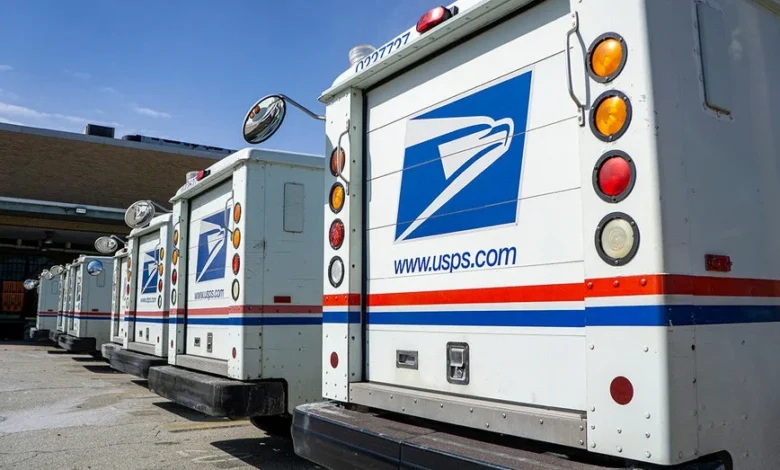
WICHITA, Kansas — A federal grand jury operating in Wichita has formally returned an indictment charging a 59-year-old Kansas postal worker with a felony count of unlawfully secreting, destroying, and delaying the delivery of mail. The case, which underscores ongoing vulnerabilities and scrutiny surrounding the United States Postal Service (USPS), centers on the alleged interception of thousands of mail items, with a specific focus on political literature favoring Republican candidates.
According to the U.S. Attorney’s Office for the District of Kansas, the defendant, Kelly R. Cram of Baxter Springs, stands accused of executing a scheme that compromised thousands of pieces of correspondence beginning in October. Investigators executing a search related to the probe reportedly recovered thousands of pieces of delayed mail stashed inside a residential garage linked to the longtime postal employee. Among the seized items were nearly 400 political flyers and direct-mail advertisements exclusively associated with Republican candidates and affiliated political action committees (PACs). Federal prosecutors noted that authorities found a complete absence of campaign literature or mailers representing any other political party at the suspect’s residence, intensifying questions regarding potential partisan motivations behind the alleged theft.
The unfolding federal case coincides with a high-stakes election cycle in Kansas, where voters are casting ballots across a broad spectrum of federal and state races. The timing of the indictment has drawn sharp attention from political observers, election integrity advocates, and federal lawmakers alike, amplifying discussions regarding the security of mail-in logistics and the administrative reliability of the nation’s postal infrastructure during sensitive voting periods.
Investigation and Discovery Details
The federal inquiry into Cram’s alleged activities was spearheaded by the U.S. Postal Service Office of Inspector General (OIG), an independent oversight body tasked with safeguarding the integrity of the postal system and investigating allegations of employee misconduct, mail theft, and fraud.

Federal court documents indicate that the investigation gained momentum after local concerns and tracking data signaled systemic delays and missing deliveries within the jurisdiction serviced by Cram. Upon securing search warrants, federal agents and postal inspectors descended upon the premises, where they uncovered the scale of the operation. Investigators tallied roughly 4,404 individual pieces of mail that had failed to reach their intended recipients.
Within that sizeable collection of delayed correspondence, the nearly 400 targeted political mailers stood out. Investigators confirmed that every single piece of recovered political literature exclusively promoted Republican campaigns or conservative political action committees. The targeted nature of the recovered campaign materials formed the foundation of the federal indictment, elevating what might otherwise be treated as standard mail obstruction into a case with significant political and civil rights implications.
Cram has been formally charged with one count of unlawful secretion, destruction, and delay of mail under federal statute. If convicted, the offense carries substantial penalties, including potential prison time, fines, and mandatory restitution, alongside the immediate termination of federal employment.
Broader Context and USPS Scrutiny
The indictment in Wichita is far from an isolated incident within the broader landscape of American postal administration. In recent years, the United States Postal Service has faced relentless scrutiny from both sides of the political aisle concerning delivery reliability, operational efficiency, and the security of election mail.
Lawmakers in Washington have repeatedly demanded accountability from postal leadership regarding logistical bottlenecks, staffing shortages, and instances of employee malfeasance. High-profile congressional probes have scrutinized the agency’s handling of mail-in ballots and campaign literature, particularly as an increasing percentage of the American electorate relies on postal services to exercise their franchise.

Just months prior to the Kansas indictment, federal authorities in other jurisdictions brought similar charges against former postal workers accused of discarding or failing to deliver hundreds of official mail-in ballots. Such incidents inevitably trigger public anxiety regarding the sanctity of the electoral process. Election security experts emphasize that while systemic fraud involving mail-in voting remains statistically rare, individual acts of employee theft or deliberate interference can inflict disproportionate damage on public confidence in democratic institutions.
In response to these recurring challenges, the USPS Office of Inspector General has ramped up monitoring and enforcement mechanisms. Federal authorities have reiterated a zero-tolerance policy for postal employees who compromise the mail stream, emphasizing that public trust in the postal service is a cornerstone of American civic life.
The Kansas Political Landscape
The federal indictment arrives against the backdrop of a fiercely contested election season in Kansas, a state historically dominated by the Republican Party but featuring critical battlegrounds and competitive legislative contests. On the same day the indictment was made public, Kansas voters headed to the polls to decide the outcomes of several high-profile races that could shape the state’s political direction for years to come.
At the top of the state-level ballot, voters faced a high-stakes gubernatorial landscape. The race pitted Senate President Ty Masterson, a prominent Republican leader from Andover, against Democratic state Senator Cindy Holscher. The contest has drawn heavy financial investment and intense partisan mobilization as Republicans seek to capture the governor’s mansion, while Democrats rally to defend their hold on the executive office.
Concurrently, all four of Kansas’ congressional seats in the U.S. House of Representatives were up for grabs, alongside one of the state’s two seats in the United States Senate. Incumbent Republican Senator Roger Marshall faced a formidable challenge from Democratic opponent Adam Hamilton. The Senate race has seen robust debate over national economic policies, inflation, agricultural subsidies, and the unique concerns of rural voters who form a core constituency in the state.
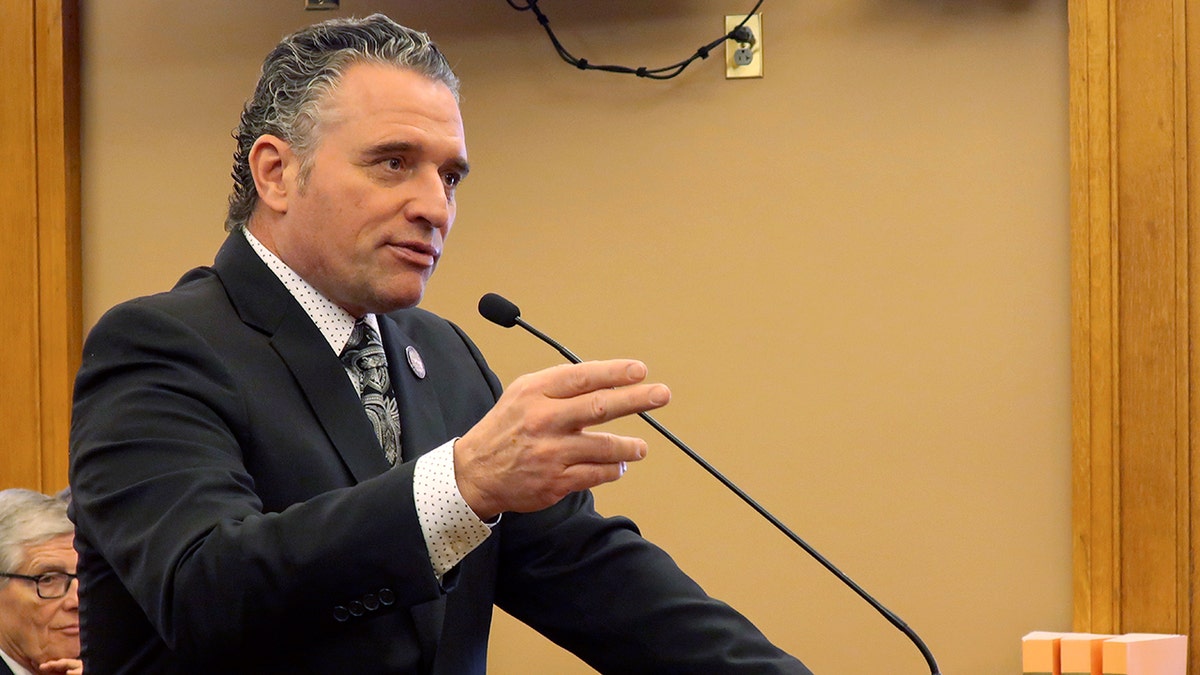
Throughout the campaign cycle, figures like Senator Marshall have actively traversed the state, engaging agricultural communities and defending conservative economic platforms. In interviews and campaign appearances leading up to Election Day, Marshall emphasized the anxieties of rural constituents grappling with cost-of-living pressures, positioning Republican governance as the primary bulwark for the state’s vital farming and ranching sectors.
Against this charged partisan environment, the discovery of hundreds of discarded Republican campaign flyers took on heightened symbolic and operational significance. Local party organizations and campaign managers expressed alarm over the possibility that targeted voters may have been intentionally deprived of vital candidate information, debate schedules, and policy positions in the closing days of the campaign.
Implications for Election Integrity and Future Oversight
The legal proceedings against Kelly R. Cram are expected to unfold in the U.S. District Court for the District of Kansas in Wichita. Legal analysts note that while the defense will likely examine the precise scope of the evidence and the administrative procedures followed during the investigation, the prosecution faces the task of proving beyond a reasonable doubt that the defendant willfully and unlawfully delayed and concealed the mail items in question.
Beyond the courtroom, the incident has catalyzed renewed calls from watchdog groups and political committees for enhanced internal controls within the postal service. Recommendations frequently include stricter tracking of bulk political mailings, increased oversight of rural mail routes, and more rigorous background checks and behavioral monitoring for postal employees entrusted with sensitive delivery streams.
As election administrators and federal investigators review the ramifications of the Wichita case, the episode serves as a stark reminder of the delicate human element inherent in election logistics. Even as automated sorting facilities and advanced tracking technologies modernize the postal network, the final mile of delivery remains reliant upon individual workers—making accountability, ethical compliance, and rigorous federal oversight indispensable to the preservation of public trust.