Discovering Big Sky Montana: A Comprehensive Guide to the Ultimate Rocky Mountain Destination and Its Booming Hospitality Landscape

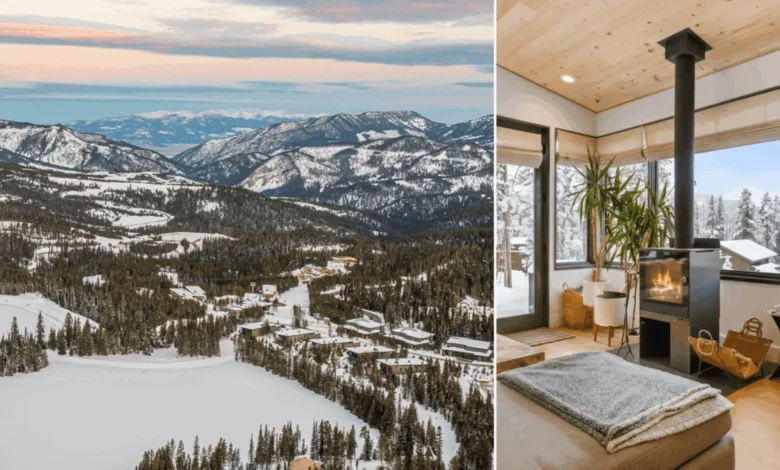
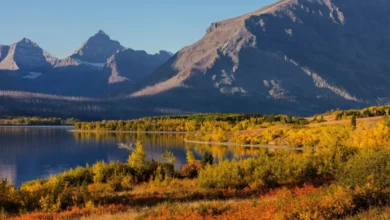
Nestled deep within the rugged expanse of the Rocky Mountains, approximately 45 miles south of Bozeman, Montana, lies the dynamic alpine community of Big Sky—a destination that has increasingly captured the attention of travelers, outdoor enthusiasts, and hospitality investors alike. Over the past six years, this premier mountain hub has undergone a remarkable transformation, evolving from a strictly seasonal ski haven into a year-round recreational powerhouse. Dominated by the imposing silhouette of Lone Peak, the region offers a sprawling canvas for diverse outdoor pursuits. Winter months draw crowds with world-class alpine skiing and snowboarding across thousands of acres of powdery terrain, while the transition to warmer weather unlocks a completely different ecosystem. Summer brings whitewater rafting and elite fly-fishing along the pristine waters of the Gallatin River, autumn introduces expansive horseback excursions through golden ranchlands, and spring blankets the valleys in vibrant alpine wildflowers. Furthermore, the proximity of Big Sky to the iconic northern border of Yellowstone National Park—roughly an hour’s drive south—cements its status as a strategic gateway for millions of visitors seeking geothermal wonders, diverse wildlife, and untouched wilderness.
The Evolution of Big Sky: From Remote Outpost to Modern Alpine Hub
To understand the current trajectory of Big Sky, one must examine its unique chronology and historical development. Established in the early 1970s as a master-planned resort community spearheaded by broadcast journalist Chet Huntley, the area was intentionally designed to showcase the majestic natural beauty of the Montana wilderness while providing structured access to outdoor recreation. For decades, the local economy relied heavily on winter tourism centered around the ski resort on Lone Mountain. However, the turn of the 21st century—and more specifically the past decade—marked a significant turning point in the region’s socio-economic and infrastructural development.
During the 2010s and early 2020s, Big Sky experienced a dramatic surge in year-round visitation. According to regional tourism metrics and data compiled by local chambers of commerce, summer visitor numbers began to rival traditional winter peaks, driven largely by remote work flexibility, a national resurgence in domestic outdoor travel, and heightened interest in national park proximity. This influx spurred a wave of municipal and commercial investments designed to modernize the town center. Today, the core of Big Sky operates as a vibrant nexus of local commerce, featuring artisan coffee shops, high-end outdoor outfitters, craft breweries, and fine-dining establishments that successfully bridge the gap between contemporary sophistication and historical Montana heritage.
Economic Implications and the Real Estate Boom
The rapid growth of Big Sky has not occurred without economic and structural implications. Often scrutinized in national travel discourse regarding the phenomenon of "aspenification"—the rapid commercialization, gentrification, and skyrocketing real estate costs historically associated with elite mountain towns like Aspen, Colorado—Big Sky represents a fascinating case study in modern resort economics.
Property values and median housing costs in the Madison and Gallatin counties surrounding Big Sky have seen exponential appreciation over the last ten years. According to regional real estate analyses, the demand for primary and secondary luxury homes has far outpaced local inventory, prompting extensive discussions among municipal planners, developers, and local residents regarding workforce housing and sustainable growth. Despite these pressures, municipal leaders and regional stakeholders have actively sought to balance high-end commercial expansion with environmental conservation. Strict zoning laws, wildlife corridor protections, and collaborative watershed management initiatives on the Gallatin River underscore an institutional commitment to preserving the natural assets that initially drew visitors to the region.
The Hospitality Renaissance: A New Wave of Accommodations
Complementing the geographical and economic expansion of the region is a profound renaissance within Big Sky’s hospitality sector. Historically dominated by traditional ski lodges and rustic cabins, the local lodging market has diversified significantly over the past several years. A new wave of boutique hotels, luxury mountain retreats, and design-forward rental properties has fundamentally redefined the guest experience, merging high-design architecture with authentic Western hospitality.
Industry analysts note that modern travelers are increasingly seeking accommodations that offer immersive nature access without sacrificing upscale amenities. In response, developers have introduced properties that cater to a wide spectrum of visitor preferences. High-end luxury resorts now feature slopeside ski valet services, private spa facilities, and fine-dining culinary programs helmed by nationally recognized chefs. Simultaneously, historic properties such as Lone Mountain Ranch—located just minutes from the town center—continue to offer authentic dude ranch experiences, combining horseback riding, guided fly-fishing, and Nordic skiing with historic cabin lodgings. Furthermore, the proliferation of design-forward short-term rentals and architectural residences equipped with state-of-the-art amenities has provided travelers with flexible, intimate bases from which to explore the surrounding public lands.
Infrastructure and Transportation Developments
To accommodate the surging volume of domestic and international travelers, transportation infrastructure serving Big Sky has undergone targeted improvements. Bozeman Yellowstone International Airport (BZN), located approximately 45 miles to the north, has consistently broken passenger traffic records over the past five years, solidifying its position as the busiest airport in the state of Montana. To meet demand, major commercial airlines have expanded direct flight offerings from primary hubs across the United States, including Chicago, Dallas, Denver, Atlanta, Minneapolis, and Seattle, thereby streamlining access to the region.
Locally, transportation authorities and private entities have collaborated to enhance regional transit networks. Expanded shuttle services between Bozeman, the airport, the Big Sky town center, and the mountain resort areas have helped mitigate traffic congestion along Highway 191—a critical corridor that traverses the canyon and connects visitors to Yellowstone National Park. These transit initiatives are part of a broader, long-term strategic plan aimed at reducing the environmental footprint of heavy vehicular traffic while improving safety for both commuters and wildlife.
Environmental Stewardship and Conservation Challenges
As Big Sky solidifies its status as a premier global destination, conservationists and local environmental organizations remain vigilant regarding the ecological carrying capacity of the region. The delicate balance between economic development and environmental preservation is a central theme in local governance.
Water quality in the Gallatin River, a blue-ribbon trout fishery and a vital ecological artery, has been a primary focus of scientific study and community action. Local groups, including the Gallatin River Task Force, have partnered with municipal entities and private resort developers to upgrade wastewater treatment facilities, monitor river health, and implement sustainable stormwater management practices. These measures are designed to mitigate the impacts of urban runoff and increased human activity, ensuring that the aquatic ecosystems supporting local wildlife and recreational fishing remain pristine for future generations.
Similarly, wildlife management remains a critical priority. Big Sky sits at the heart of the Greater Yellowstone Ecosystem, a biologically diverse region that supports populations of grizzly bears, wolves, elk, bison, and moose. As residential and commercial developments expand outward from the town center, urban-wildlife interactions have become more frequent. In response, local wildlife agencies and community associations have deployed robust education campaigns regarding bear-safe waste management, vehicle speed limits to prevent wildlife-vehicle collisions, and the preservation of critical migratory corridors.
Future Outlook: What Lies Ahead for Montana’s Premier Alpine Hub
Looking forward, Big Sky is poised to maintain its trajectory as one of the most sought-after four-season destinations in North America. The ongoing diversification of its economy—shifting from a purely seasonal ski-town model to a resilient, year-round hub for remote work, outdoor recreation, and luxury hospitality—has insulated the community against seasonal economic volatility.
Industry stakeholders and local officials emphasize that the future success of Big Sky will depend heavily on disciplined planning, continued investment in sustainable infrastructure, and a steadfast dedication to preserving the rugged, natural character that defines the American West. Whether visitors arrive for the grueling winter ski descents down the face of Lone Peak, the tranquil autumn horseback rides across sprawling meadows, or as a convenient jumping-off point to explore the geothermal wonders of Yellowstone National Park, Big Sky continues to offer a compelling intersection of untamed wilderness and refined hospitality. As the destination enters its next chapter, it serves as a prominent model for how modern mountain communities can successfully navigate growth while honoring their historical and ecological roots.
Related posts: