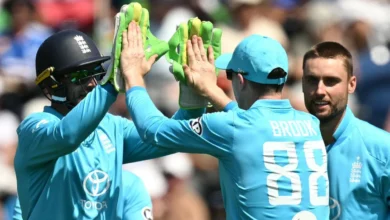
Thursday morning sports briefing: Transfer market developments and major headlines from across the globe


The global sporting landscape is currently characterized by a flurry of high-stakes transfer negotiations and significant structural discussions that threaten to reshape professional football and rugby union. As clubs finalize their rosters and governing bodies contemplate radical shifts in league organization, the interplay between financial incentives, diplomatic tensions, and historical grievances remains at the forefront of the news cycle.
Premier League Recruitment Strategies Intensify
Liverpool Football Club has initiated formal contact with the representatives of Lamine Camara, the burgeoning midfield talent currently making waves in European scouting circles. This development marks a strategic shift for the Merseyside club, which is looking to bolster its central engine room with high-potential, long-term investments. Camara, known for his tactical discipline and technical proficiency, has become a priority target as Liverpool seeks to rejuvenate its squad under a long-term development framework.
Simultaneously, the pursuit of Bournemouth’s Alex Scott has reached a critical juncture. Chelsea Football Club has reportedly surged to the forefront of the race for the England Under-21 international. Scott, often lauded for his composure on the ball and his ability to transition between defensive and offensive phases, has been a standout performer since his move to the Premier League. Chelsea’s aggressive approach reflects a broader policy of securing young, domestic talent to complement their international acquisitions. Industry analysts suggest that a deal for Scott could command a significant transfer fee, likely exceeding £30 million, given the current market inflation for high-ceiling domestic midfielders.
The Global Migration of Talent: The Case of Jadon Sancho
In a notable shift regarding international football personnel, former England international Jadon Sancho has reportedly declined an opportunity to join La Liga side Getafe. Instead, reports from Spanish publication Marca suggest that the forward is leaning heavily toward a move to the Saudi Pro League.
Sancho’s career trajectory since his high-profile transfer to Manchester United has been subject to intense scrutiny. His potential departure from European football signifies a growing trend where players are increasingly evaluating the financial and lifestyle incentives offered by the burgeoning Saudi professional circuit against the prestige of traditional European leagues. Should the move materialize, it would represent a significant pivot in Sancho’s professional journey, moving from the intense pressure of the Premier League to a project aimed at elevating the global profile of Saudi football.
Historical Friction: The Tevez-Ferguson Narrative
The professional legacy of Sir Alex Ferguson at Manchester United continues to be a subject of public discourse, most recently reignited by comments from former striker Carlos Tevez. In a reflective interview with the Daily Mail, Tevez addressed his acrimonious exit from Old Trafford, which culminated in a controversial transfer to Manchester City in 2009.
Tevez alleged that Ferguson failed to honor specific promises made regarding his permanent signing, leading to a breakdown in trust. The historical context of this move remains one of the most contentious episodes in modern Premier League history. At the time, Tevez was a fan favorite, integral to a front line that included Cristiano Ronaldo and Wayne Rooney. His subsequent move to the "noisy neighbors" at the Etihad Stadium served as a catalyst for the shift in power dynamics within Manchester football. Analysts often point to this period as the beginning of Manchester City’s ascent to domestic dominance, underscoring how personnel management—or the lack thereof—can have decade-long ramifications for club hierarchies.
Geopolitical Friction in Sport: The Mbappe Controversy
The intersection of football and geopolitics has taken a sharp turn with reports that Kylian Mbappe’s diplomatic relations with China have deteriorated. The controversy stems from remarks attributed to the French captain regarding Mao Tse-tung, which have been classified as "ill-judged" by Chinese state media.
The state broadcaster, CCTV, has reportedly rejected multiple attempts by the player’s camp to offer clarification or apology. This incident highlights the increasingly precarious nature of global sports marketing. With Mbappe being one of the most recognizable faces on the planet, his brand equity is deeply intertwined with global markets. The refusal of the Chinese state broadcaster to accept an apology signals that for high-profile athletes, a minor lapse in diplomatic sensitivity can result in significant professional fallout in sensitive regions. The incident serves as a case study in the risks associated with the global commercialization of sports figures, where players are increasingly held to the standards of state-level diplomatic discourse.
The Future of Rugby: A Cross-Border Revolution
Beyond the sphere of football, the Gallagher Premiership is facing the possibility of a transformative expansion. Reports indicate that the Welsh Rugby Union (WRU) is engaged in advanced discussions with English authorities regarding the integration of Wales’ top regional clubs into the English league system.
Chronology of Discussions
- Early 2023: Initial discussions regarding the financial sustainability of the four Welsh regions begin within the WRU.
- Late 2023: Preliminary inquiries are made to English stakeholders regarding the feasibility of a cross-border competition.
- Current Status: Formal talks have moved to the exploratory stage, with potential implementation dates for a restructured league set for 2028.
This proposed merger is driven by the urgent need to stabilize the financial landscape of Welsh rugby, which has struggled to compete with the funding models of the French Top 14 and the English Premiership. For the Gallagher Premiership, the inclusion of Welsh regions could potentially increase the commercial value of broadcast rights and expand the competition’s geographic footprint.
However, the implications for the United Rugby Championship (URC) would be profound. The removal of Welsh teams would necessitate a significant restructuring of the URC, likely forcing a change in the league’s format. Furthermore, regulatory hurdles, including the approval of the respective governing bodies and potentially World Rugby, remain substantial.
Broader Economic and Structural Implications
The common thread linking these disparate events is the ongoing struggle to balance traditional sports heritage with the demands of a modern, globalized economy.
- Transfer Market Dynamics: The competition between Premier League clubs for players like Alex Scott and Lamine Camara illustrates the increasing scarcity of high-quality, young, and homegrown talent. This has led to an inflated transfer market where "potential" is priced as highly as "proven performance."
- League Sustainability: The Welsh Rugby Union’s pursuit of an English merger highlights the failure of current regional models to generate independent profitability. As smaller leagues struggle to keep pace with the financial output of major entities, consolidation appears to be the most viable path toward fiscal survival.
- The Price of Global Fame: Kylian Mbappe’s situation underscores that athletes can no longer operate in a vacuum. As global brands, their actions—even those deemed trivial by Western standards—are subject to strict scrutiny in international markets where political narratives are strictly controlled.
As these stories continue to develop, the sports industry remains in a state of flux. Whether it is the tactical maneuvering of clubs in the transfer market, the settling of historical scores between players and former managers, or the fundamental restructuring of professional leagues, the common denominator is the need for strategic agility. Organizations that fail to adapt to these shifts—whether through better recruitment, more diplomatic public relations, or innovative structural partnerships—risk being left behind in an increasingly competitive global environment.
The upcoming weeks will likely see further clarity on these matters. For Liverpool and Chelsea, the outcome of their current transfer targets will define their tactical options for the next three seasons. For the Welsh Rugby Union, the 2028 target provides a timeline for what could be the most significant change in British club rugby since the professional era began. Meanwhile, the global football community watches closely to see if the diplomatic barriers facing Mbappe can be bridged or if the player will face long-term commercial isolation in one of the world’s most critical markets.
Related posts: