The Dangerous Synergy Between Low Testosterone and Fructose Intake in the Development of Metabolic Dysfunction-Associated Steatotic Liver Disease

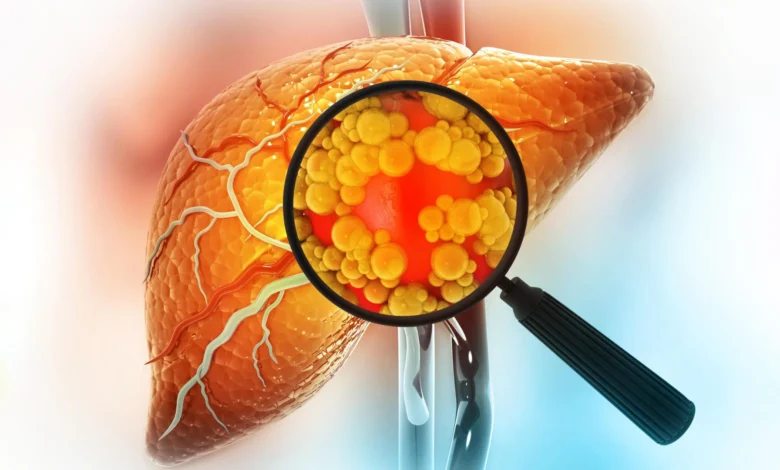
Metabolic dysfunction-associated steatotic liver disease (MASLD), formerly known as non-alcoholic fatty liver disease (NAFLD), has emerged as a silent epidemic of the 21st century. Affecting approximately 40% of adult men globally, this condition represents a spectrum of liver disorders ranging from simple fat accumulation—steatosis—to severe inflammation and fibrosis. While clinicians have long understood that obesity, sedentary lifestyles, and type 2 diabetes are primary drivers of the disease, recent research has begun to untangle the complex interplay between hormonal health and dietary patterns. A groundbreaking study conducted by researchers at the Graduate School of Agriculture has identified a troubling biological synergy: the combination of low testosterone and high fructose consumption creates a unique, accelerated pathway for liver fat accumulation, mediated largely by the gut microbiome.
The Clinical Context of MASLD
The rise of MASLD mirrors the global surge in metabolic syndrome. As dietary habits have shifted toward the increased consumption of ultra-processed foods and beverages sweetened with high-fructose corn syrup, the burden on the human liver has intensified. The liver, which serves as the body’s primary metabolic hub, is responsible for processing fructose. Unlike glucose, which can be used by almost every cell in the body for energy, fructose is metabolized almost exclusively in the liver. When consumed in excess, it can trigger de novo lipogenesis, the process by which the liver converts carbohydrates into fat.
Simultaneously, the role of testosterone in male metabolic health has gained significant attention. Testosterone is not merely a reproductive hormone; it is a critical regulator of lipid metabolism and insulin sensitivity. Clinical observations have frequently noted that men with hypogonadism—characterized by low testosterone—often present with increased visceral adiposity and a higher prevalence of fatty liver. Until recently, however, the specific molecular mechanism linking hormonal decline to dietary fructose and subsequent liver pathology remained elusive.
Chronology of the Research Investigation
The research team, led by graduate student Hiroki Takahashi and Associate Professor Naoki Harada, embarked on a multi-phase study to isolate these variables. The investigation began with the selection of eight-week-old male mice, an age representing early adulthood in murine models, to ensure that the findings could be translated to physiological changes observed in adult humans.
The experimental design was rigorous, utilizing six distinct cohorts to isolate the impact of hormonal status, dietary input, and microbial influence. To simulate the effects of low testosterone, a subset of the mice underwent surgical castration, while control groups received sham operations to account for the stress of the surgical procedure. These groups were then subdivided based on their dietary intake: a standard control diet versus a high-fructose regimen. A further subset of the fructose-consuming groups was treated with broad-spectrum antibiotics to deplete gut microbiota, allowing researchers to determine if the liver damage was direct or mediated by intestinal bacterial activity.
Throughout the observation period, the team performed longitudinal analyses, including the collection of blood plasma, cecal organic acids, and fecal samples to profile the gut microbiome. By examining liver tissue and gene expression at the conclusion of the study, the researchers established a clear timeline of metabolic degradation.
Supporting Data: The Convergence of Factors
The data revealed a stark contrast between groups. While the mice subjected to either low testosterone or high fructose intake alone showed only modest, sub-clinical increases in hepatic triglycerides, the cohort subjected to both stressors experienced a profound synergistic effect. The livers of these mice were not only heavier but exhibited significantly higher lipid accumulation than the sum of the individual groups would have predicted.
Crucially, the administration of antibiotics acted as a protective buffer. The fact that the liver weight increase was mitigated in antibiotic-treated mice provided the smoking gun: the gut-liver axis. The team discovered that the combination of hormonal deficiency and high fructose altered the composition of the gut bacteria. This shift in the microbiome resulted in elevated levels of pyruvate—a key intermediate in energy metabolism—within the intestine.
In subsequent in vitro experiments, the researchers treated isolated primary hepatocytes with both pyruvate and fructose. The result was a dramatic increase in neutral lipid accumulation, confirming that pyruvate acts as a catalyst that exacerbates the lipogenic effects of fructose within the liver cells themselves.
Official Statements and Academic Implications
"Upon examining this mechanism, we found that changes in the gut microbiota led to increased levels of pyruvate within the intestine," stated Hiroki Takahashi, lead researcher on the project. "Furthermore, experiments using mouse-derived primary hepatocytes revealed that pyruvate acts synergistically with fructose to promote neutral lipid accumulation in hepatocytes."
This discovery provides a paradigm shift in how hepatologists might view the progression of fatty liver disease. It suggests that the gut microbiome acts as a metabolic transducer, converting hormonal signals and dietary inputs into localized liver toxicity. Associate Professor Naoki Harada emphasized the long-term potential of these findings: "Going forward, we hope to clarify the mechanism by which pyruvate promotes triglyceride accumulation to pioneer the development of therapeutic drugs and the establishment of preventive methods through dietary interventions."
Broader Impact on Public Health
The implications of this study, published in the American Journal of Physiology-Endocrinology and Metabolism, are far-reaching. If these findings hold true in human clinical trials, they suggest that men over the age of 40—a demographic where both testosterone decline and metabolic dysfunction are prevalent—may be at a significantly higher risk of rapid liver disease progression if their diets are high in refined fructose.
Current clinical guidelines for MASLD treatment primarily emphasize weight loss through caloric restriction and increased physical activity. While these remain the gold standard, the research suggests that "metabolic optimization" may need to be more nuanced. Addressing hormonal health in tandem with dietary modification could offer a more robust defense against liver damage.
Furthermore, the role of the gut microbiome in this process opens the door for novel pharmacological or probiotic interventions. If a specific microbial profile promotes the accumulation of intestinal pyruvate, then modulating that microbiome could potentially halt or reverse early-stage fatty liver before it progresses to irreversible fibrosis or cirrhosis.
Future Directions in Preventive Medicine
The scientific community has welcomed these findings as a necessary step toward precision medicine. While the study was conducted on murine models, the consistency of the biological pathways involved—pyruvate metabolism and fructose-induced lipogenesis—are highly conserved across mammalian species.
Future research will likely focus on human observational studies to correlate testosterone levels, dietary fructose intake, and gut microbiome composition in patients already diagnosed with MASLD. If the human gut-liver axis mirrors the findings seen in this study, doctors may soon be able to prescribe dietary interventions that are specifically tailored to an individual’s hormonal and microbial status.
In the immediate term, the study serves as a public health warning regarding the ubiquity of fructose in the modern diet. For the millions of men worldwide currently living with the early stages of metabolic dysfunction, the message is clear: the combination of hormonal decline and poor nutrition is not merely additive—it is multiplicative. Understanding this hidden mechanism provides a vital roadmap for future medical interventions and underscores the importance of managing metabolic health through a comprehensive, systems-biology approach. By moving beyond the simplistic view of "calories in, calories out," researchers are now beginning to uncover the complex, interconnected systems that govern human metabolic health, offering hope for more effective, targeted treatments in the years to come.