Massive Pentagon Data Breach Exposes Sensitive Personal Information of More Than Three Million Military and Civilian Personnel

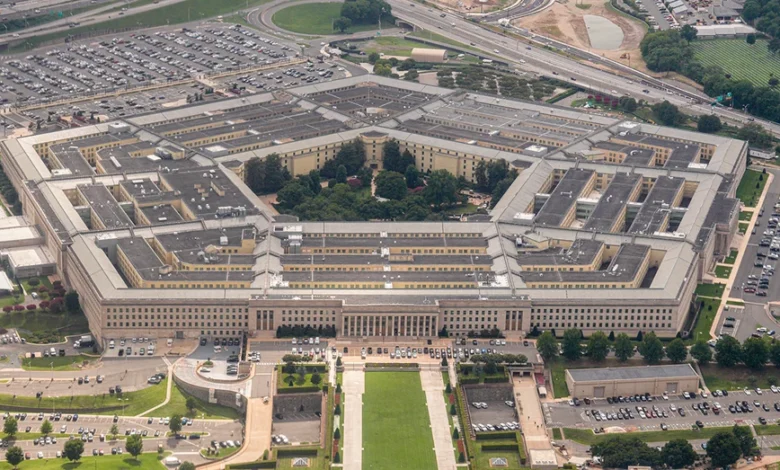
A major cybersecurity failure within the United States Department of Defense has compromised the sensitive personal information of more than 3 million individuals, marking one of the most significant personnel database breaches in recent military history. According to confirmation provided by a senior Pentagon official, unauthorized actors successfully accessed unencrypted files containing deeply sensitive data, including Social Security numbers and detailed employment records, belonging to millions of active, retired, and civilian defense workforce members.
The security compromise, which went undetected for an extended period, affects a staggering 2.76 million living U.S. military service members and civilian personnel, alongside 294,000 deceased individuals. The incident has immediately escalated concerns regarding federal cybersecurity resilience, data protection protocols within the defense apparatus, and the ongoing vulnerability of critical government repositories to persistent foreign and domestic cyber threats.
Scope and Nature of the Compromise
The breach centered on a critical repository managed by the Defense Manpower Data Center (DMDC), the central operational arm for gathering and maintaining personnel data for the Department of Defense. The compromised records were stored within a file-sharing system that lacked basic, mandated encryption safeguards, allowing unauthorized users to freely view and potentially extract high-value personal identifiable information (PII).
Among the compromised data points are primary identifiers that leave individuals highly susceptible to identity theft, financial fraud, and targeted social engineering attacks. The exposed records include full Social Security numbers, comprehensive employment histories, duty station details, and personnel classification metrics for both active-duty forces and civilian defense employees.
Security analysts note that while financial data or operational battle plans were not part of this specific repository, the exposure of deep personal records belonging to millions of individuals tied to the national security apparatus presents severe downstream risks. Adversaries or criminal syndicates in possession of verified military and civilian employment records paired with Social Security numbers possess the foundational components required for sophisticated spear-phishing campaigns, clearance blackmail operations, or widespread financial identity theft.
Chronology of Events and Discovery
The timeline of the breach reveals a prolonged period of undetected unauthorized access, raising critical questions regarding internal network monitoring and threat detection capabilities within the Pentagon’s digital infrastructure.
According to official disclosures, the unauthorized access window began in October 2025. For nearly ten months, malicious or unauthorized actors maintained unhindered access to the vulnerable file-sharing environment. During this prolonged duration, the system failed to trigger automated security alerts or anomalous activity flags that would typically denote unauthorized data exfiltration or external probing.
It was not until July 16, 2026, that the Defense Manpower Data Center formally discovered the vulnerability during routine system audits and internal reviews. Upon uncovering the exposure, the Department of Defense initiated an immediate internal investigation to determine the scope of the compromised files, evaluate the integrity of the affected systems, and isolate the vulnerability to prevent further unauthorized access.
Despite the discovery occurring in mid-July, formal notifications to the millions of affected individuals were delayed by more than two months. The Pentagon began dispatching official notifications on September 18, 2026, advising impacted current and former personnel of the data exposure and providing standard guidance on credit monitoring and identity protection resources.
Official Responses and Mitigation Efforts
In the wake of the disclosure, defense officials have scrambled to reassure the public and the affected workforce regarding the immediate aftermath of the breach. A Pentagon spokesperson emphasized that, as of the latest forensic assessments, investigators have found no definitive evidence indicating that the stolen data has been maliciously misused, weaponized, or published on illicit dark web marketplaces.
However, cybersecurity experts urge caution regarding such preliminary assurances, noting that sophisticated threat actors often harvest and stockpile large tranches of personal data for months or even years before deploying it in targeted operations or selling it to secondary brokers.
The Department of Defense has stated that remedial technical measures have been deployed to secure the compromised file-sharing infrastructure. These fixes include the implementation of mandatory end-to-end encryption protocols, stricter access control lists, multi-factor authentication requirements for all administrative accounts, and enhanced continuous monitoring systems designed to detect unauthorized lateral movement within legacy databases.
Affected personnel have been advised to remain vigilant regarding their personal financial accounts, freeze their credit reports with major credit bureaus, and report any suspicious communications or unsolicited contacts that reference their military or civilian defense employment history.
Broader Context and Systemic Implications
This incident is not an isolated event within the broader landscape of federal cybersecurity challenges. Over the past decade, U.S. government agencies have repeatedly struggled to secure legacy databases containing the personal data of millions of federal employees and military personnel. The most notable precedent remains the 2015 Office of Personnel Management (OPM) data breach, which compromised the background investigation records of more than 21 million current and former government workers, including intelligence and military personnel.
The recurrence of such massive data leaks underscores deep-seated systemic vulnerabilities across federal IT infrastructures. Many defense and civilian agencies continue to rely on aging, fragmented software architectures and auxiliary file-sharing applications that are poorly integrated into centralized security monitoring frameworks. When administrative oversight lapses—such as failing to enforce encryption on repositories containing Social Security numbers—the resulting exposure threatens not only individual privacy but also national security readiness.
Lawmakers on Capitol Hill are expected to demand congressional briefings and oversight hearings to examine how unencrypted files containing millions of military records remained exposed for nearly a year. Committees with jurisdiction over defense appropriations and intelligence are likely to question Pentagon leadership on modernization delays, budgetary allocation for cybersecurity compliance, and the accountability mechanisms governing third-party and internal file-sharing platforms.
As the investigation continues to evolve, the Pentagon faces the monumental task of restoring trust among a workforce whose personal security has been compromised while simultaneously fortifying a sprawling digital enterprise against an increasingly hostile array of cyber adversaries.