White House Chief of Staff Susie Wiles Opens Up About the Grueling Reality of Battling Breast Cancer While Leading the West Wing

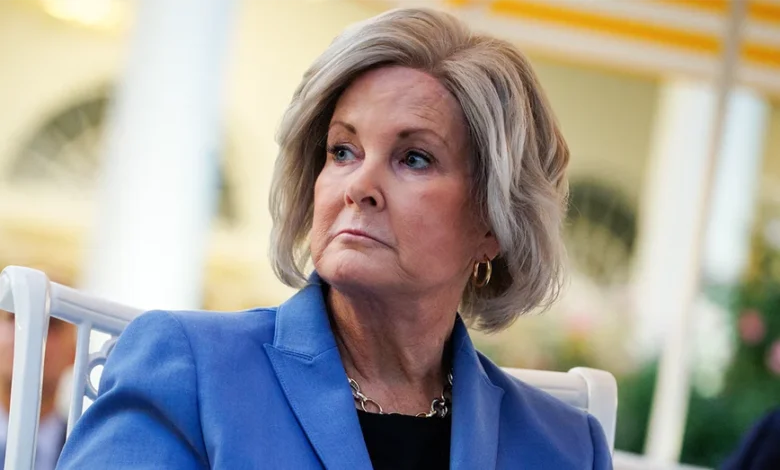
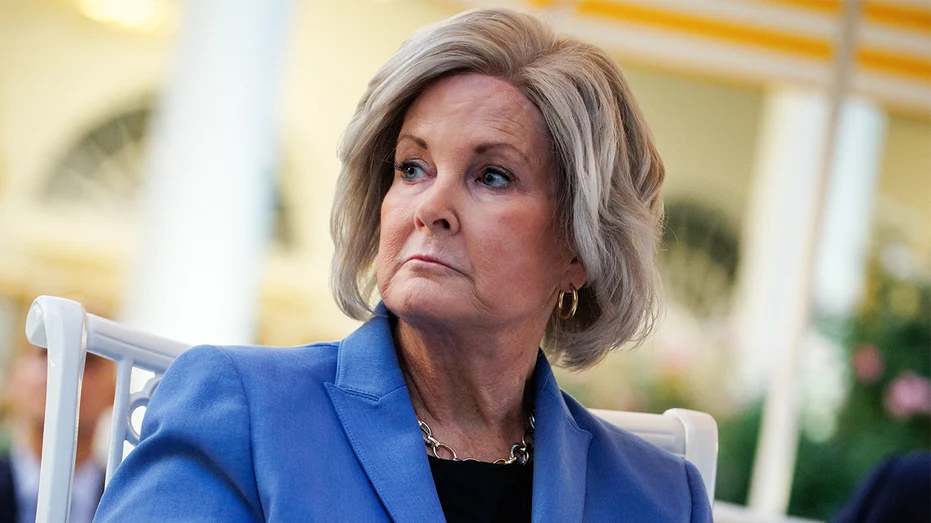
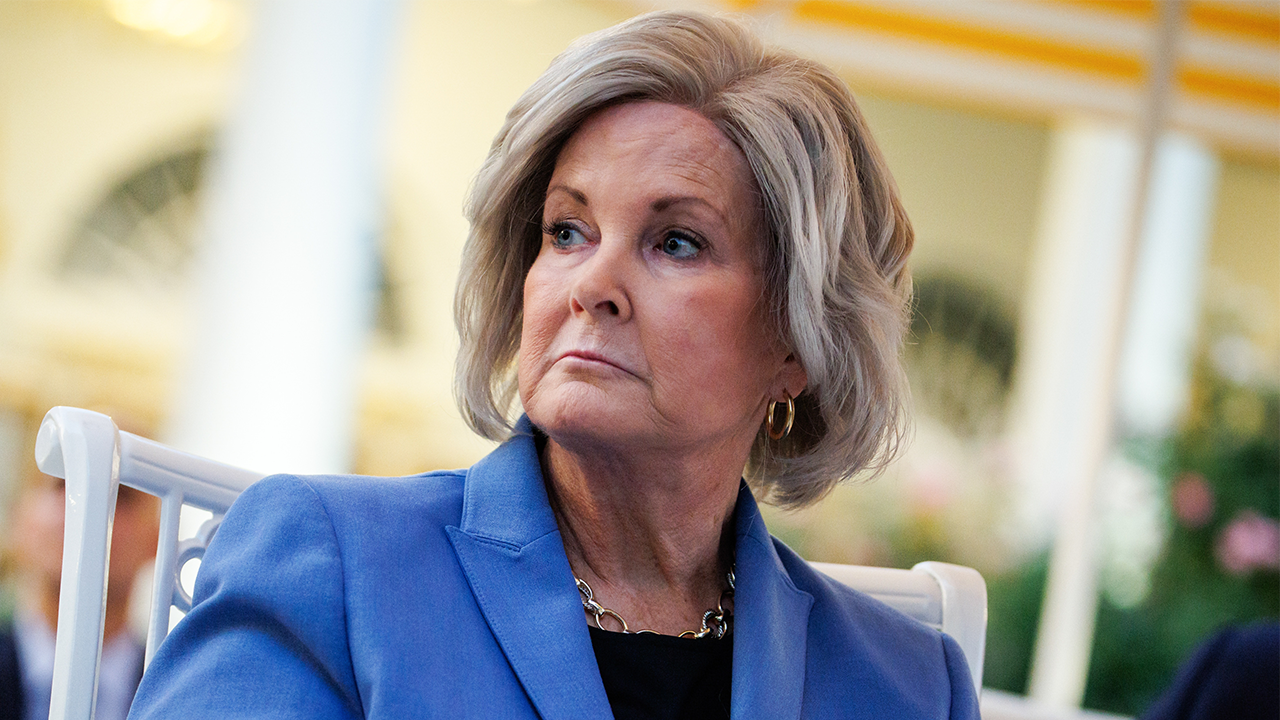
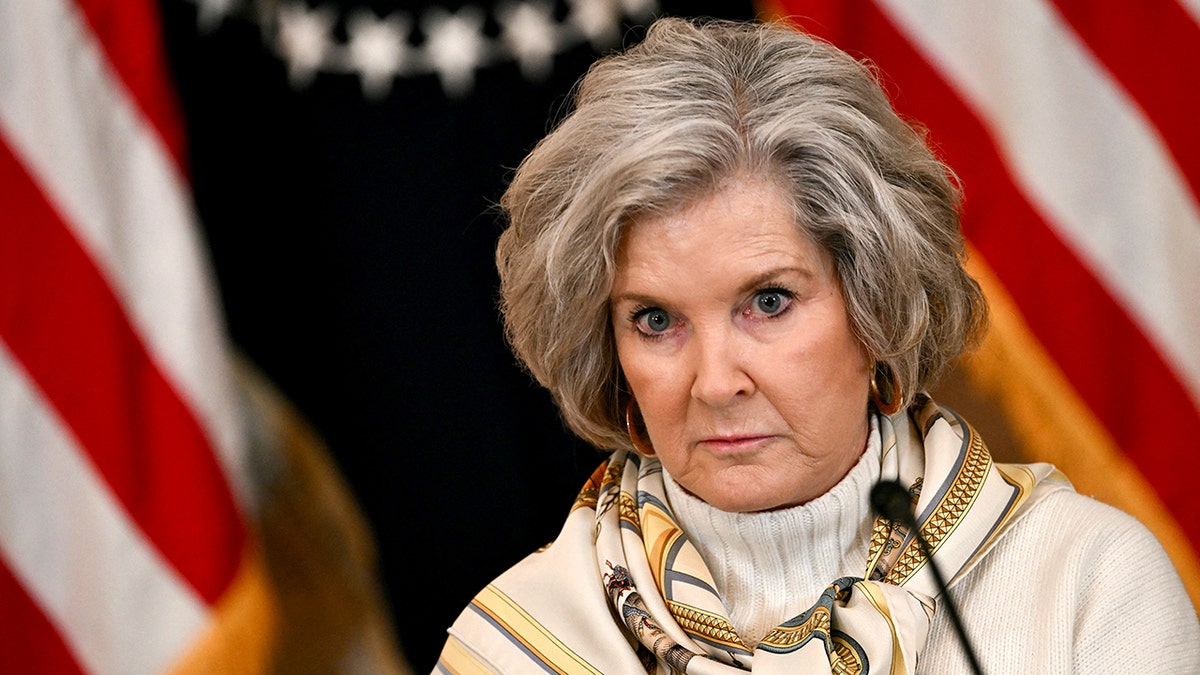
White House Chief of Staff Susie Wiles has provided a deeply personal and candid account of managing an aggressive breast cancer treatment regimen while simultaneously steering one of the most demanding political offices in the world. In a revealing op-ed published in USA Today, Wiles detailed the punishing physical and psychological toll of chemotherapy, the omnipresent shadow of the disease, and the conscious decision to anchor herself to her professional duties as a means of preserving her identity beyond her diagnosis.
Wiles, who serves as a pivotal advisor to President Donald Trump, wrote that the battle against cancer was both relentless and all-consuming. From the moment she woke up—and occasionally interrupting her sleep—her mind was dominated by questions surrounding her treatment, forthcoming test results, and an uncertain prognosis. Despite leading the daily operations of the West Wing, she acknowledged that there were mornings when the simple act of getting out of bed and putting on her clothes required every ounce of resilience she possessed.
A Chronology of the Diagnosis and Treatment
The public transparency surrounding Wiles’ health has evolved over several months, marked by milestones of diagnosis, public support, and eventual recovery:
- March: Wiles publicly discloses her early-stage breast cancer diagnosis, initiating a rigorous treatment plan that includes chemotherapy.
- May: President Donald Trump praises Wiles’ strength and resilience during a prerecorded video tribute at a surprise gala, publicly acknowledging her ongoing fight against the disease.
- September 16: Following an evaluation at the Mayo Clinic, Wiles announces that she is cancer-free, bolstered by clear pathology results that showed no residual cancer following successful surgery.
- Late September: Wiles publishes her essay in USA Today and shares reflections on social media platform X, detailing the psychological and physical hurdles she overcame during her tenure.
Balancing High-Stakes Governance with Personal Health
Operating at the apex of American politics requires immense stamina, strategic focus, and round-the-clock availability. For Wiles, maintaining her professional responsibilities became a therapeutic paradox. While cancer threatened to shrink her universe down to a sterile cycle of medical appointments, scans, and debilitating side effects, her role in the White House offered a countervailing expanse of purpose.
"Cancer can make your world very small," Wiles wrote, explaining that she deliberately pushed herself to remain focused on the colleagues, staff, and leadership who depended on her daily. This decision was not made without internal and external scrutiny; Wiles noted she was acutely aware that critics and observers might question whether an individual undergoing chemotherapy could maintain the rigorous performance standards expected of a White House chief of staff.
However, the physical demands of treatment were undeniable. Wiles noted that chemotherapy eroded her stamina and mobility, occasionally clouding her focus. Recognizing her physical limitations, she relied on a support network that included White House colleagues who seamlessly stepped in to bridge gaps, alongside her medical team, extended family, and friends. Wiles was careful to emphasize that continuing to work through cancer treatment is a deeply personal choice that is neither feasible nor appropriate for every patient, but for her, it served as a lifeline to normalcy.
The Broader Context of Public Figures and Health Transparency
Wiles’ disclosure adds to a growing conversation regarding public figures balancing private health crises with high-profile responsibilities. In recent years, several political figures and public personalities have navigated major medical battles in the public eye, sparking broader discussions about workplace accommodations, cancer screenings, and the stigma often attached to chronic or acute illnesses in high-stress environments.
Medical experts frequently note that breast cancer remains one of the most diagnosed forms of cancer among women in the United States, with early detection remaining a critical factor in successful long-term prognoses. Organizations like the American Cancer Society emphasize the importance of routine mammograms and advanced screenings, which have significantly improved survival rates over the past few decades. Wiles’ clear pathology results following surgery highlight the efficacy of modern oncological interventions, even when paired with demanding professional schedules.
Official Responses and Family Support
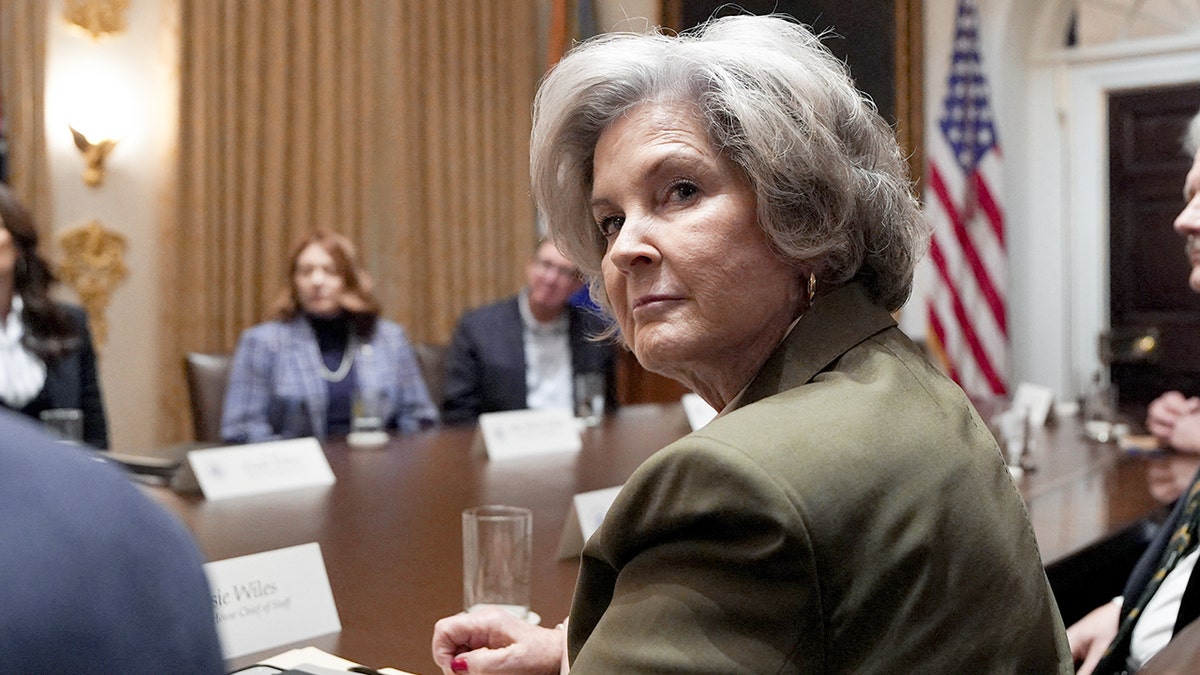
The announcement of Wiles’ cancer-free status elicited widespread support from across the political spectrum and within the administration. President Trump, who has frequently lauded Wiles for her steady leadership style and strategic acumen, expressed immense relief and admiration for her tenacity throughout the ordeal.
Family members also shared their pride publicly. Katie Wiles, one of her daughters, took to social media to commend her mother’s steadfast resolve. "A strong woman isn’t loud in her strength; she’s steady and unshakable," Katie Wiles wrote on X. "You are our champion. So incredibly proud of you, Mom."
Wiles concluded her reflections with a message of encouragement directed at other patients enduring similar medical trials. Emphasizing that a diagnosis does not define an individual’s entire existence, she expressed hope that her experience might offer solace and determination to others currently navigating the uncertainties of cancer treatment. With her health restored, Wiles remains at the helm of the White House staff, balancing her duties to the executive branch with her roles as a mother, grandmother, and friend.
Related posts: