Why I Keep Rebooking Kamalame Cay: Inside the Ultimate Private Island Sanctuary in the Bahamas

The evolution of luxury travel in the Caribbean has long been defined by a race toward high-density commercialization, massive mega-resorts, and an influx of international celebrity culture that transforms quiet coastlines into bustling hotspots. Destinations such as Providenciales in the Turks and Caicos Islands—once celebrated primarily for their secluded, talcum-powder shores and electrifying turquoise waters—have seen exponential jumps in tourism infrastructure, luxury real estate development, and commercial air traffic over the past few decades. For seasoned travelers, beach enthusiasts, and environmental preservationists, this shift has created a growing demand for a different kind of hospitality: one defined by strict ecological stewardship, intimate scale, and absolute isolation.
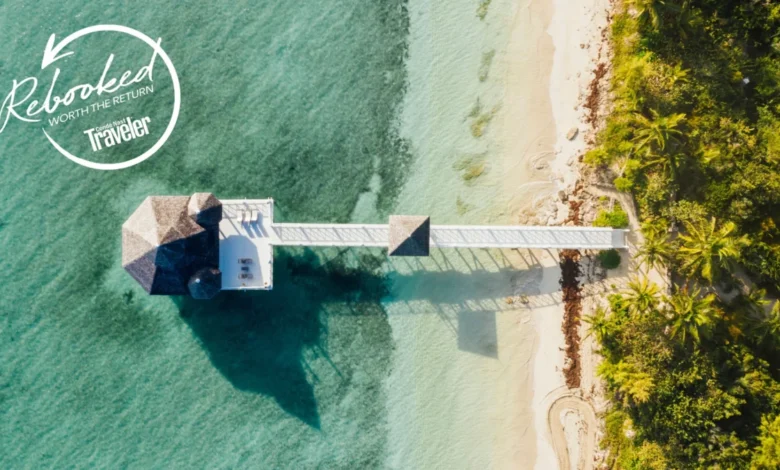
Enter Kamalame Cay, a 96-acre private barrier island resort situated off the eastern coast of Andros Island in the Bahamas. Operating far away from the heavily trafficked tourist corridors of Nassau or Paradise Island, this boutique property has quietly established itself as a gold standard for off-the-grid barefoot luxury. Over the past several years, the resort has drawn consistent critical acclaim, earning spots on prestigious hospitality rosters including the Condé Nast Traveler Gold List and the Readers’ Choice Awards. For travelers seeking an antidote to the hyper-connected, fast-paced nature of modern urban life, Kamalame Cay offers a masterclass in low-impact luxury, ecosystem preservation, and bespoke island isolation.

Geographical Isolation and Logistics
Reaching Kamalame Cay requires a deliberate departure from conventional commercial air travel itineraries. While the Bahamas are geographically proximate to the southeastern United States—making them a historic favorite for travelers departing from Florida hubs—getting to Andros requires navigating a distinct logistical framework designed to preserve the peace of the archipelago.
Guests traveling to the private island typically fly into Nassau’s Lynden Pindling International Airport before transferring to a 10-minute regional hopper flight to Fresh Creek Airport on Andros. Alternatively, travelers can bypass standard commercial terminals entirely by booking a direct seaplane service, such as the property’s dedicated Coco seaplanes, which depart directly from Fort Lauderdale, Florida, and land right along Kamalame’s shoreline.
This journey underscores the island’s primary appeal: its supreme isolation. Andros, the largest island in the Bahamas by land mass, maintains a population of fewer than 8,000 residents distributed across a sprawling network of wetlands, pine forests, and mangrove creeks. By anchoring itself in an environment with minimal human footprint, Kamalame Cay ensures that the surrounding natural habitats remain largely undisturbed by the heavy footprints of mass tourism.

Accommodation and Low-Impact Infrastructure
Unlike multi-story beachfront complexes that dominate the Caribbean skyline, Kamalame Cay’s physical footprint is intentionally understated. The property features just 21 standalone seaside rooms, suites, and bungalows, complemented by a curated portfolio of expansive private villas capable of housing anywhere from 4 to 12 guests.
Architecturally, the accommodations embrace a "barefoot-chic" ethos. Interiors are characterized by minimalist aesthetics, whitewashed woods, flowing linen drapery, and subtle design cues that pay tribute to the surrounding marine ecosystem. Rather than relying on paved asphalt roads and high-density street lighting, the island utilizes unpaved, sandy pathways canopied by native palm trees. Guests navigate the property via private golf carts, sharing the terrain with thousands of indigenous hermit crabs and native bird species.
This minimalist design philosophy extends to the property’s broader infrastructure. While maintaining essential high-end amenities—including a freshwater pool, a central meeting house, an open-air bar, and an overwater spa stocked with premium sustainable skincare products such as Osea Malibu—the resort consciously steps back to let the surrounding natural environment dictate the guest experience.
.jpg)
Biodiversity and Marine Conservation
The true defining feature of a stay at Kamalame Cay is its proximity to some of the most ecologically significant marine environments in the western hemisphere. Andros Island is flanked to its eastern edge by the Andros Barrier Reef—the third-largest barrier reef system in the world, stretching nearly 200 miles along the ocean floor.
This sprawling coral network serves as a vital sanctuary for a diverse array of marine life, offering guaranteed sightings of sea turtles, stingrays, southern stingrays, bonefish, and countless species of tropical reef fish. For aquatic enthusiasts, the resort acts as a prime base camp for advanced scuba diving, deep-sea snorkeling, and specialized sportfishing excursions, including lionfish spearing and world-class bonefishing across the island’s famous shallow flats.
Furthermore, Andros is globally renowned for its extraordinary geological formations known as blue holes. The island boasts more than 200 of these inland and offshore vertical caves and sinkholes, representing the highest concentration of such systems on Earth. These geological wonders draw marine biologists, cave divers, and adventurous travelers eager to explore subterranean freshwater lenses and tidal cave networks that remain largely untouched by commercial development.

Culinary Philosophy and Local Sourcing
In the realm of high-end resort hospitality, dining is frequently subjected to standardized global supply chains and predictable luxury menus. Kamalame Cay, however, emphasizes a hyper-local culinary philosophy deeply tied to the surrounding sea and land.
Meals at the resort’s dining venues emphasize daily maritime catches and seasonal regional ingredients. Signature dishes frequently highlight the local bounty, ranging from fresh conch ceviche and crab-stuffed avocados to traditional Bahamian curries and grilled seafood. The culinary program is punctuated by casual, social gatherings—most notably the property’s renowned, wine-soaked weekend lunches hosted by local proprietors, which foster a communal, familial atmosphere among guests from across the globe.
Mornings on the island typically begin with breakfast baskets delivered directly to guest bungalows. Wicker hampers arrive stocked with tropical fruit, freshly squeezed juices, house-baked pastries, and artisanal provisions, setting a relaxed, unhurried tone for the day ahead.

Sociological Implications of Disconnection
In an era defined by constant digital connectivity, the proliferation of remote work, and a 24-hour news cycle that frequently induces acute psychological fatigue, the demand for genuine psychological detachment has reached an all-time high. Psychologists and wellness experts increasingly point to the necessity of "digital detoxes" and immersion in natural environments as critical interventions against burnout, anxiety, and stress-related disorders.
Kamalame Cay caters precisely to this modern psychological need. By stripping away the rigid formalities, strict dress codes, and hyper-pretentious atmospheres that frequently accompany ultra-luxury travel, the resort fosters an environment of unpretentious hospitality. The staff-to-guest dynamic is engineered to prioritize genuine warmth, local expertise, and relaxed camaraderie over rigid corporate protocol.
For media professionals, corporate leaders, and urban dwellers fleeing high-stress environments—such as the grueling winters and fast-paced commercial hubs of major cities like Chicago—the ability to spend uninterrupted hours floating in calm, shallow turquoise waters offers a profound restorative benefit. The psychological shift from navigating global headlines to tracking the horizon line from a hammock provides a powerful model for sustainable, low-impact luxury travel.

Future Outlook for Boutique Island Tourism
As global tourism continues to rebound and expand, the tension between economic development and ecological preservation remains a central challenge for destination management organizations across the Caribbean and the Bahamas. Over-commercialization poses a direct threat to the delicate coral reefs, mangrove systems, and coastal dunes that make these island ecosystems viable in the first place.
Properties like Kamalame Cay illustrate a viable alternative model: low-density, high-value tourism that prioritizes environmental integrity and spatial preservation over rapid capacity expansion. By limiting its guest footprint to a manageable scale and actively encouraging engagement with local marine conservation efforts, the resort demonstrates that commercial viability and environmental stewardship are not mutually exclusive.
For travelers who have witnessed the transformation of once-remote paradises into bustling tourist centers, destinations like Andros represent the last frontier of authentic Caribbean isolation. Whether measured by the health of its barrier reef, the quietude of its unpaved sandy tracks, or the restorative power of its open horizons, Kamalame Cay continues to set a definitive benchmark for travelers seeking a profound, enduring connection with the natural world.