Soft And Safe Baby Mats For Playtime Fun

Soft and Safe Baby Mats: The Foundation for Playful Development
Choosing the right baby mat is paramount for a baby’s early development, offering a safe, comfortable, and stimulating environment for exploration and growth. These mats are not merely decorative floor coverings; they are dynamic play surfaces designed to support crucial milestones, from tummy time and crawling to independent sitting and early walking. The primary considerations when selecting a baby mat revolve around safety, material composition, ease of cleaning, and the developmental benefits it offers. Prioritizing these aspects ensures that parents invest in a product that contributes positively to their child’s physical, cognitive, and sensory experiences. The market offers a diverse range of options, from simple foam pads to elaborate playmats with integrated toys and textures, each with its unique set of advantages and considerations. Understanding the nuances of these different types will empower parents to make an informed decision that aligns with their baby’s needs and their home environment.
Material Matters: Prioritizing Non-Toxic and Hypoallergenic Fabrics
The materials used in baby mats are critical to ensuring a safe play environment. Parents should actively seek out mats made from non-toxic, BPA-free, phthalate-free, and latex-free materials. Polyethylene foam (PE foam) and ethylene-vinyl acetate (EVA foam) are common choices for foam mats, known for their shock-absorbing properties and insulation. However, it’s essential to verify that these foams are free from harmful chemicals, as some lower-quality versions can off-gas volatile organic compounds (VOCs). Reputable brands will clearly list their material certifications and manufacturing processes. For fabric mats, organic cotton and natural fibers like bamboo are excellent choices. These are naturally hypoallergenic, breathable, and gentler on sensitive baby skin, reducing the risk of irritation or allergic reactions. Look for OEKO-TEX certification, which guarantees that the textiles have been tested for harmful substances. The texture of the mat also plays a role in sensory development. A mat with a slightly textured surface can provide tactile stimulation, aiding in sensory exploration. Conversely, overly smooth surfaces might offer less grip for a crawling baby, potentially leading to frustration. The ideal mat strikes a balance between comfort, safety, and tactile engagement. Beyond the primary mat material, consider any additional components like zippers, snaps, or toy attachments. These should also be made from child-safe materials and securely fastened to prevent choking hazards. Regular inspection of the mat for any signs of wear and tear, such as peeling, tearing, or loose parts, is a crucial safety practice that parents must adopt.
Safety First: Non-Slip Surfaces and Protective Cushioning
Safety is non-negotiable when it comes to baby gear. A primary safety feature to look for in a baby mat is a non-slip surface. This is especially important as babies transition from lying down to crawling and eventually to walking. A mat that shifts or slides can cause falls and injuries. Many foam mats have inherent grip, while fabric mats often feature a non-slip backing made of silicone or rubber. Parents should test the mat on their flooring type to ensure it stays securely in place. The cushioning of the mat is equally vital. Babies are prone to tumbles, and a well-cushioned mat can absorb impact, reducing the severity of bumps and bruises. The thickness of the mat directly correlates to its protective qualities. A mat that is too thin will offer minimal protection, while an overly thick mat might be unstable for an unsteady crawler. Aim for a mat with sufficient thickness to provide adequate cushioning for everyday play. For babies who are just starting to roll or sit independently, the mat should provide a soft landing. As they become more mobile, the mat’s ability to absorb falls becomes even more critical. Consider the edge of the mat as well. Some mats have raised edges or bumper guards, which can offer an extra layer of protection against rolling off. This is particularly beneficial for very young infants who are still developing their motor control. Furthermore, ensure that the mat is large enough to accommodate the baby’s movements without them easily reaching the edges of harder flooring. A spacious mat allows for more freedom of movement and reduces the risk of them bumping into furniture or walls.
Developmental Benefits: Stimulating Sensory Exploration and Motor Skills
Beyond safety, baby mats are powerful tools for fostering developmental milestones. The right mat can actively encourage a baby’s physical, cognitive, and sensory development. Tummy time, a critical activity for strengthening neck, shoulder, and back muscles, is best facilitated on a comfortable and engaging mat. Mats designed with contrasting colors, patterns, or even small, attached sensory elements can capture a baby’s attention during tummy time, extending its duration and effectiveness. For crawling, a mat provides a consistent, non-abrasive surface that allows for smooth movement and practice. Some mats incorporate different textures or raised elements that can encourage tactile exploration and further develop a baby’s crawling skills. As babies progress to sitting and playing independently, a mat offers a safe zone for them to interact with toys and explore their surroundings. Mats with integrated play features, such as different textured panels, peek-a-boo flaps, or removable toys, can enhance cognitive development by stimulating curiosity and problem-solving skills. These features encourage reaching, grasping, and manipulation, refining fine motor skills. The visual stimulation provided by colorful and patterned mats can also contribute to cognitive development, helping babies distinguish shapes, colors, and patterns. Sensory mats, in particular, are designed to engage multiple senses. They might include elements that crinkle, squeak, or offer different tactile experiences like soft plush, bumpy silicone, or smooth fabric. This multi-sensory approach is crucial for building neural pathways and fostering a deeper understanding of the world. The ability to safely explore and interact with their environment on a soft mat builds a baby’s confidence and independence, laying the groundwork for future learning.
Ease of Cleaning and Maintenance: Practicality for Busy Parents
The reality of parenting involves inevitable spills, spit-ups, and diaper accidents. Therefore, a baby mat’s ease of cleaning and maintenance is a crucial practical consideration for busy parents. Mats made from waterproof or water-resistant materials are highly advantageous. These can be easily wiped down with a damp cloth and mild soap, making cleanup quick and efficient. Some foam mats are entirely waterproof, while others may have a sealed surface that repels liquids. Fabric mats can vary in their cleaning requirements. Machine-washable mats offer the ultimate convenience, allowing for regular deep cleaning. However, it’s essential to check the care instructions carefully to ensure the mat maintains its integrity and softness after washing. For mats that are not machine washable, spot cleaning with a mild detergent and air drying is the recommended approach. Investing in a mat that is stain-resistant can also save considerable time and effort. Certain fabric treatments and material types naturally resist staining, making it easier to maintain a clean and hygienic play surface. Consider the mat’s ability to withstand frequent cleaning without degrading in quality. Some materials can become worn or lose their cushioning after multiple washes or vigorous scrubbing. Look for durable materials that can maintain their performance over time. The folding or storage mechanism of the mat can also impact its ease of maintenance. Mats that fold compactly are easier to store and keep clean when not in use. A mat that can be easily wiped down and quickly dried will be a parent’s best friend.
Types of Soft and Safe Baby Mats: Foam, Fabric, and Interactive Options
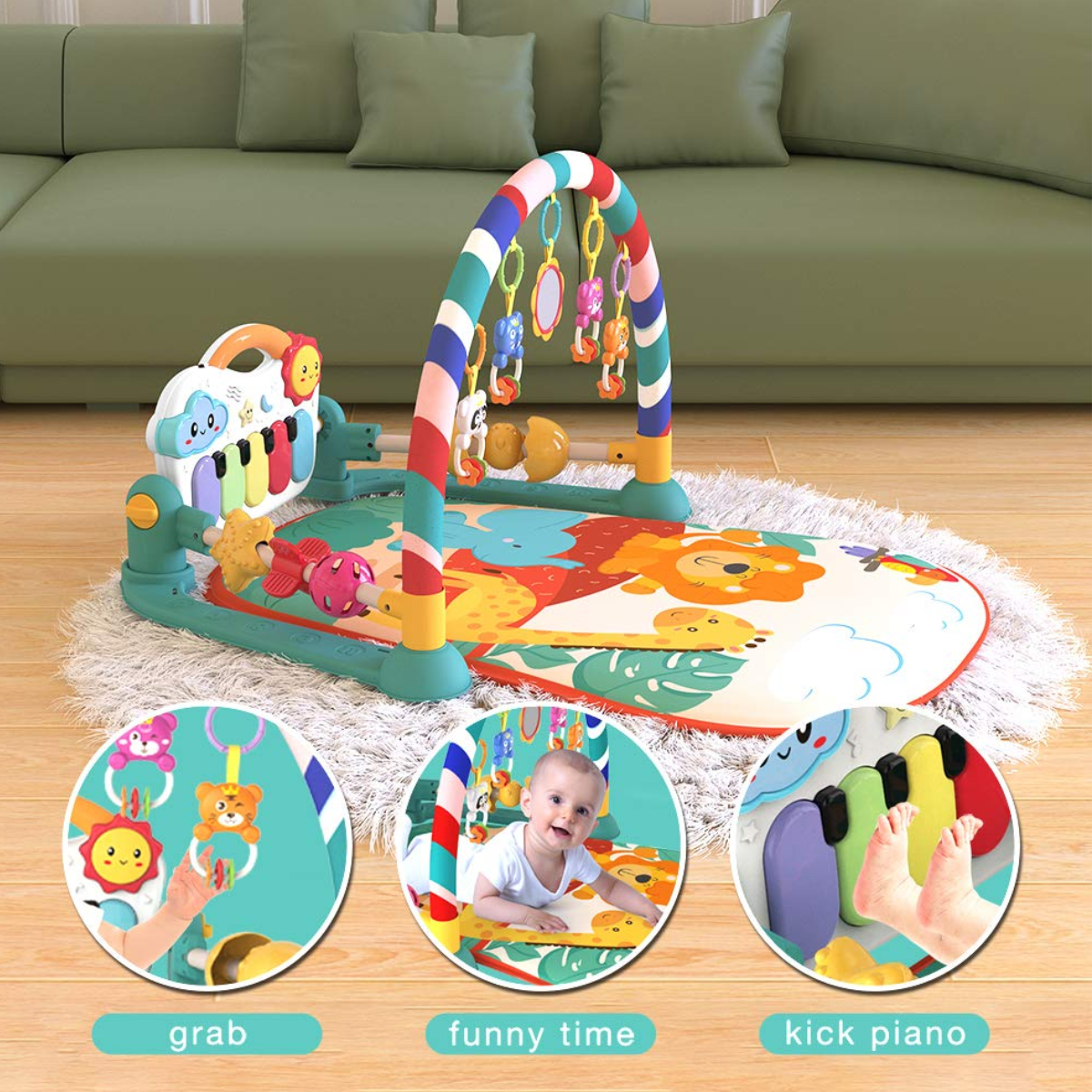
The market offers a spectrum of baby mat types, each catering to different needs and preferences. Foam play mats are a popular choice due to their excellent cushioning, shock absorption, and insulation properties. They are typically made from PE or EVA foam and come in various thicknesses and sizes. Interlocking foam tiles are a versatile option, allowing parents to customize the size and shape of the play area. However, it’s crucial to ensure the foam is non-toxic and free from harmful chemicals. Fabric play mats offer a softer, more tactile experience. Often made from cotton, organic cotton, or bamboo, they are generally hypoallergenic and breathable. Many fabric mats are reversible, offering different designs or textures on each side. Some fabric mats come with padded inserts for added comfort and support. Interactive playmats take developmental stimulation to the next level. These often feature built-in toys, mirrors, arches with hanging toys, or different textured panels. They are designed to engage a baby’s senses and encourage various motor skills. While these can be highly beneficial, parents should assess the safety of all attached components and ensure they are securely fastened and appropriately sized for the baby. Activity gyms are a subset of interactive mats, typically featuring an overhead arch with dangling toys and a cushioned mat below. These are excellent for encouraging reaching, batting, and visual tracking. When considering any type of mat, prioritize brands with transparent manufacturing practices and safety certifications. The suitability of each mat type will depend on the baby’s age, developmental stage, and the parent’s specific needs and preferences regarding aesthetics and functionality.
Choosing the Right Size and Portability: Balancing Space and Convenience
The size of a baby mat should be carefully considered to accommodate the baby’s growing needs and the available space. A mat that is too small can quickly become restrictive as the baby gains mobility, limiting their ability to crawl and explore freely. Conversely, an excessively large mat might not be practical for smaller living spaces. Measure the intended play area before purchasing to ensure a proper fit. Many mats are available in standard sizes, but custom or modular options can offer greater flexibility. Portability is another important factor for parents who travel, visit family frequently, or simply want to move the play area between rooms. Some mats are designed with portability in mind, featuring foldable designs, carrying bags, or lightweight construction. Interlocking foam tiles can be disassembled and reassembled easily, making them a convenient option for on-the-go use. Fabric mats with roll-up or fold-up designs also offer good portability. Consider the ease with which the mat can be stored when not in use. A mat that can be folded or rolled compactly will take up less space and be easier to keep out of the way. When evaluating portability, think about the weight of the mat and how easy it is to maneuver. For parents who frequently move the mat between floors or outdoors, a lightweight and easily transportable option is essential. The durability of the mat’s folding or rolling mechanism is also worth noting, as repeated use can impact its longevity.
Aesthetic Considerations: Integrating Playtime with Home Décor
While safety and functionality are paramount, the aesthetic appeal of a baby mat should not be overlooked, as it will become a prominent feature in the home. Many parents seek mats that blend seamlessly with their existing décor, rather than appearing as a jarring, brightly colored play zone. Neutrals, muted tones, and minimalist patterns are increasingly popular, offering a more sophisticated look. Some brands offer reversible mats with different designs on each side, providing versatility and allowing parents to switch up the visual theme. For those who prefer a more vibrant and engaging look, mats with educational graphics, alphabet prints, or nature-inspired designs can add a playful yet stylish element. Consider the impact of the mat’s colors and patterns on a baby’s visual development. While overly stimulating colors can be overwhelming, a well-chosen palette can aid in color recognition and visual tracking. Ultimately, the best aesthetic is one that creates a pleasant and inviting environment for both the baby and the parents, enhancing the overall living space. The material and texture of the mat also contribute to its aesthetic. A soft, plush fabric mat might create a cozier feel, while a sleek, smooth foam mat can offer a more modern appearance. Think about how the mat will feel underfoot for adults as well, especially in shared living spaces.
Long-Term Value: Durability and Adaptability for Growing Babies
Investing in a high-quality baby mat is an investment in a child’s developmental journey. Durability is a key indicator of long-term value. A well-made mat from robust materials will withstand the rigors of daily use, including crawling, tumbling, and the occasional chewing. This ensures that the mat can serve its purpose for an extended period, from infancy through toddlerhood. As babies grow and their developmental needs change, the adaptability of the mat becomes increasingly important. A mat that can evolve with the child offers continued utility. For example, a large, modular mat can be reconfigured as the child’s play space needs change. Interactive mats with removable toys can be adapted by removing certain elements as the child masters them or progresses to more complex play. A mat that can be easily cleaned and maintained also contributes to its long-term value, as it remains hygienic and appealing for prolonged use. Consider the mat’s ability to withstand wear and tear without losing its cushioning or structural integrity. A mat that requires frequent replacement represents a less economical choice in the long run. Prioritizing mats from reputable brands known for their quality and craftsmanship will generally lead to a more durable and adaptable product, offering a greater return on investment over time. The ability of the mat to transition from a soft play surface to a comfortable spot for reading or quiet play further extends its lifespan and utility.