Ramaswamy Mulls Ohio Governor Run
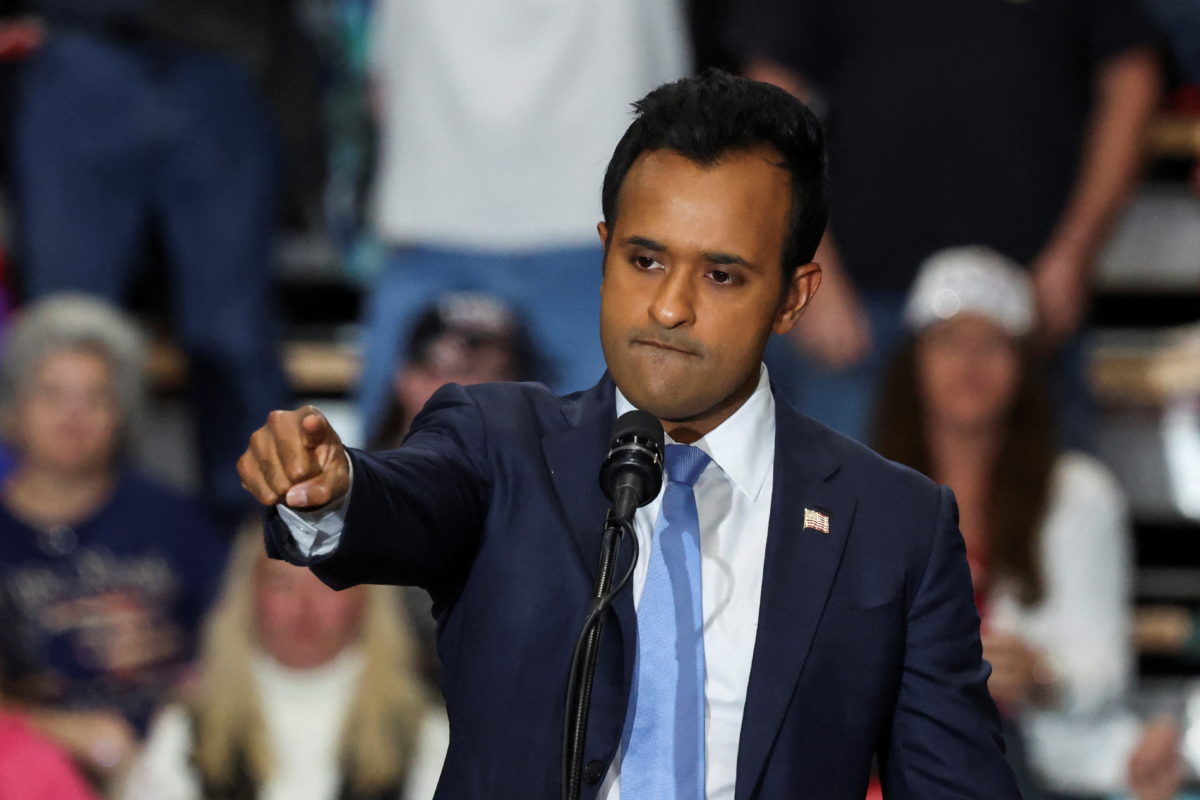

Vivek Ramaswamy Mulls Ohio Governor Run: A Deep Dive into Potential Candidacy and Political Implications
The political landscape of Ohio is abuzz with speculation surrounding a potential gubernatorial bid by entrepreneur and political commentator Vivek Ramaswamy. While no formal announcement has been made, consistent murmurs and strategic political maneuvering suggest that Ramaswamy is seriously considering a run for the state’s highest office in the upcoming election cycle. This potential candidacy carries significant implications, not only for the Republican party in Ohio but also for the national political discourse, given Ramaswamy’s high-profile role as a prominent voice in conservative circles and a former presidential contender. Understanding the factors driving this potential decision, Ramaswamy’s political platform, and the challenges and opportunities he might face is crucial to grasping the potential impact of his involvement in Ohio politics.
Ramaswamy’s potential entry into the gubernatorial race is not a spontaneous development. It stems from a confluence of factors, including his established presence in Ohio, his perceived alignment with a significant segment of the Republican electorate, and a potential vacuum or opportunity within the state’s political leadership. As a resident of Ohio, Ramaswamy possesses a geographical advantage and a degree of familiarity with the state’s issues and demographics. His previous foray into the national presidential primary race, where he gained considerable attention for his populist and anti-establishment rhetoric, has undoubtedly amplified his name recognition and political capital within the Buckeye State. This national platform has allowed him to cultivate a base of supporters who resonate with his "America First" philosophy and his critiques of what he terms "wokeism" and corporate overreach. Furthermore, the current political climate in Ohio, characterized by ongoing debates on economic development, education, and social issues, could present Ramaswamy with a fertile ground to articulate his policy positions and rally voters. The existing Republican leadership in the state, while generally strong, might also be perceived by some within the party as lacking the dynamic, fresh leadership that Ramaswamy claims to represent.
At the core of Vivek Ramaswamy’s political philosophy is a fervent belief in American exceptionalism and a rejection of what he identifies as divisive ideologies. His platform, as articulated during his presidential campaign and in various public forums, is built upon a set of core tenets that would likely form the bedrock of any gubernatorial campaign. Economically, Ramaswamy champions a free-market approach, advocating for deregulation, lower taxes, and policies designed to stimulate business growth and job creation. He often emphasizes the importance of American manufacturing and aims to bring back industries that have been outsourced. On social issues, he is a staunch critic of progressive policies, particularly those related to diversity, equity, and inclusion (DEI), which he views as divisive and detrimental to national unity. He has been a vocal proponent of traditional American values and has often spoken about the need to restore a sense of national identity and pride. His approach to education often centers on parental rights and curriculum reform, arguing for a greater emphasis on civics and a rollback of what he perceives as politically charged instruction in schools. In terms of foreign policy, Ramaswamy espouses an "America First" stance, prioritizing national interests and questioning the extent of U.S. involvement in international conflicts. He has also expressed skepticism towards global institutions and a desire for greater national sovereignty. These policy positions, if translated into a gubernatorial campaign, would appeal to a segment of the Republican base that prioritizes conservative principles and a more nationalistic outlook.
The potential challenges facing Vivek Ramaswamy in a gubernatorial bid are as significant as the opportunities. While his national profile and anti-establishment appeal are assets, they also carry baggage. His past critiques of established political figures and institutions, while resonating with some, may alienate more moderate Republicans and independent voters whose support is often crucial for statewide victories. His relatively short tenure in the political arena means he lacks the extensive track record of elected office that many voters expect from a governor. This can lead to questions about his practical governing experience and his ability to navigate the complexities of state-level administration. Furthermore, his assertive and sometimes confrontational communication style, while effective in gaining attention, could prove divisive in a campaign that requires broad coalition-building. He will also face scrutiny over his business dealings and past statements, which his opponents will undoubtedly seek to exploit. The Republican primary itself could be a battleground, with established figures within the party potentially viewing his candidacy as a threat to their own ambitions. Winning a primary requires mobilizing a committed base, and Ramaswamy’s appeal might be strongest among those who are already highly engaged politically. Expanding that appeal to a broader electorate in a general election would be a considerable undertaking.
Conversely, the opportunities for Ramaswamy are substantial. His unique background as a successful biotech entrepreneur and author provides him with a narrative of achievement and innovation that can be compelling to voters seeking a fresh perspective. His ability to articulate complex ideas in an accessible manner, honed through his public speaking and writing, makes him an effective communicator. His willingness to challenge prevailing orthodoxies and engage in vigorous debate could energize a segment of the electorate that feels left behind by mainstream politics. For the Ohio Republican party, his candidacy could represent an opportunity to galvanize a new generation of conservative voters and to inject a high level of energy and media attention into their campaigns. His national name recognition could also translate into significant fundraising potential, allowing him to mount a well-funded campaign. Furthermore, if he were to successfully navigate the primary and win the governorship, his tenure could usher in a period of significant policy shifts aligned with his conservative agenda, potentially reshaping the state’s economic and social fabric. His ability to connect with voters on issues of economic opportunity, individual liberty, and national pride could resonate deeply in a state that has historically been a bellwether for national political trends.
The impact of Vivek Ramaswamy’s potential gubernatorial run extends beyond the borders of Ohio. His engagement in state-level politics could serve as a testing ground for his broader political ideas and his ability to translate national rhetoric into tangible policy proposals at a practical governance level. A successful run would further solidify his position as a leading figure within the conservative movement, potentially positioning him for future national ambitions. Conversely, a less successful run, regardless of the reasons, could temper his immediate national prospects or force a recalibration of his political strategy. His presence in the governor’s race would undoubtedly inject a significant dose of ideological fervor and media scrutiny into Ohio’s political discourse, forcing other candidates to define themselves in relation to his platform. The debates and policy discussions that would ensue would likely reflect the broader national ideological clashes, making Ohio a focal point for conservative and progressive arguments. Ultimately, Vivek Ramaswamy’s decision to mull a run for Ohio governor represents a significant development in the state’s political landscape, with the potential to reshape its leadership and influence the direction of conservative politics both regionally and nationally. The coming months will be critical in determining whether this potential candidacy materializes and, if so, what its ultimate impact will be on the Buckeye State.