Nearly Half of American Children Exposed to Dangerous Air Pollution as Regulatory Rollbacks Accelerate

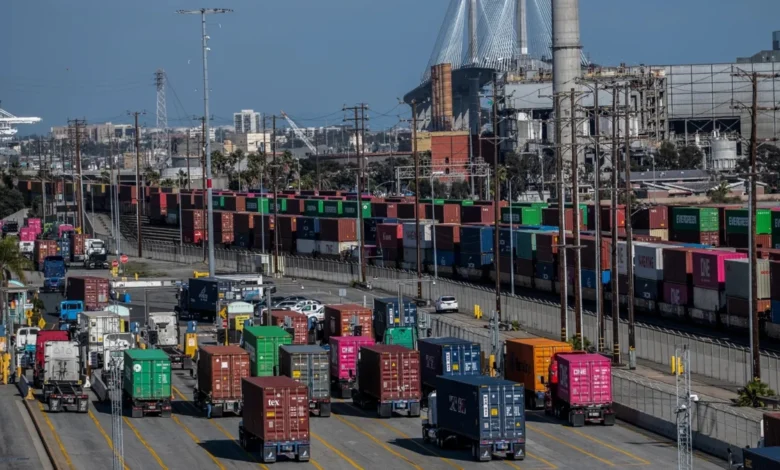
A comprehensive new assessment of atmospheric health in the United States has revealed a sobering reality for the nation’s youth, finding that nearly 50 percent of all American children are currently breathing air that reaches dangerous levels of toxicity. The 27th annual "State of the Air" report, published by the American Lung Association (ALA), details a significant regression in air quality across multiple regions, driven by a combination of intensifying climate change and a systematic dismantling of federal environmental protections. According to the data, which spans the years 2022 through 2024, approximately 33.5 million children—representing 46 percent of the population under the age of 18—reside in counties that received a failing grade for at least one of the three primary metrics of air pollution.
The report’s findings arrive at a volatile moment in American environmental policy. As public health experts sound the alarm over the long-term developmental risks posed to the next generation, the federal government has initiated a wide-scale effort to weaken the regulatory frameworks designed to curb industrial emissions and vehicle exhaust. The intersection of deteriorating environmental conditions and a shifting political landscape has created what many experts describe as a public health emergency that disproportionately affects the most vulnerable members of society.
The Tripartite Threat: Ozone, Soot, and Spikes
The American Lung Association evaluates air quality based on three specific categories: ground-level ozone pollution (commonly known as smog), year-round particle pollution, and short-term spikes in particle pollution (often referred to as soot). Each of these pollutants carries distinct risks, but together they form a "triple threat" that compromises respiratory and cardiovascular health.
Smog remains the most pervasive pollutant in the United States. Between 2022 and 2024, approximately 129.1 million people—38 percent of the total population—were exposed to ozone levels that exceeded health safety standards. This figure represents an increase of 3.9 million people compared to the previous year’s report and marks the highest level of ozone exposure recorded by the ALA in six years. Ozone is formed when nitrogen oxides and volatile organic compounds react in the presence of sunlight. Because this chemical reaction is accelerated by heat, the rising global temperatures associated with climate change have made smog increasingly difficult to manage, even as some industrial sources of nitrogen oxides are curtailed.
Particle pollution, or PM2.5, consists of microscopic solids or liquid droplets that are small enough to be inhaled deep into the lungs and even enter the bloodstream. The report found that while some areas have made progress in reducing year-round averages, short-term spikes in soot have become more frequent and more severe. These spikes are often tied to catastrophic events such as wildfires, which have become a seasonal staple of the American atmospheric landscape.
The report’s most harrowing statistic concerns the "worst of the worst" areas: roughly 7 million children, or 10 percent of the nation’s pediatric population, live in communities that failed all three measures of air quality. These children are effectively living in environments where the air is consistently unsafe, regardless of the season or daily weather patterns.
The Biological Vulnerability of the Developing Child
The focus on children in this year’s report is not incidental. Pediatric health experts emphasize that children are not merely "small adults" when it comes to pollution exposure; their physiology and behavior make them uniquely susceptible to atmospheric toxins.
"Children’s lungs are still developing," explained Will Barrett, assistant vice president of the ALA’s Nationwide Clean Air Policy. "For their body size, they’re breathing more air than adults. Furthermore, children are more likely to be active outdoors, meaning they are inhaling higher volumes of outdoor air during periods of peak pollution."
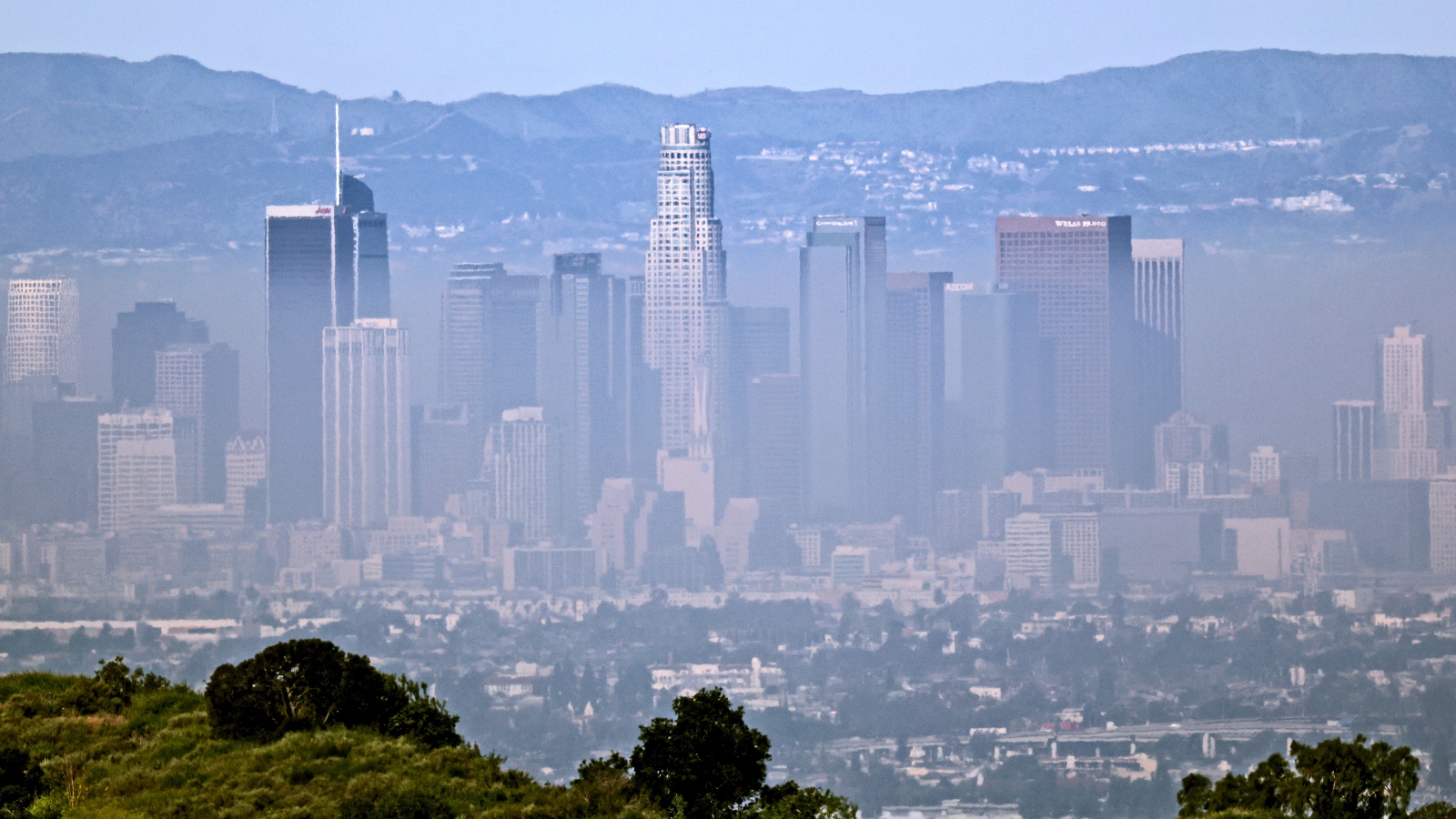
The implications of this exposure are lifelong. Inhaling high levels of ozone and particulate matter during the formative years can lead to permanent developmental harm, including reduced lung capacity and the onset of chronic asthma. Research has also linked early-life pollution exposure to increased risks of respiratory infections, pediatric cancers, and even cognitive developmental delays. When a child’s respiratory system is compromised early on, they carry an elevated risk for heart disease and other chronic conditions well into adulthood, creating a massive long-term burden on the national healthcare system.
Environmental Injustice and Demographic Disparities
The ALA report further illuminates the deep-seated inequities in air quality distribution. While air pollution does not respect zip codes, the placement of industrial zones, highways, and power plants is often the result of historical "redlining" and socioeconomic marginalization.
The data shows that people of color are disproportionately exposed to unhealthy air. Despite making up 42.1 percent of the U.S. population, people of color constitute 54.2 percent of those living in counties with at least one failing grade for air quality. Even more striking is the disparity in areas with the worst pollution: a person of color is 2.42 times more likely than a white person to live in a community that fails all three pollution measures.
This demographic overlap means that the communities least likely to have access to high-quality healthcare or the financial resources to relocate are the ones most frequently breathing the most dangerous air. This creates a compounding effect where existing health conditions—such as diabetes and heart disease, which are also prevalent in marginalized communities—are exacerbated by the constant strain of air pollution.
The Climate Driver: Wildfires and Heat Waves
A significant portion of the recent decline in air quality can be attributed to environmental factors exacerbated by climate change. The report identifies extreme heat, prolonged drought, and unprecedented wildfire activity as primary drivers of pollution spikes.
In 2023, the United States experienced a massive influx of smoke from Canadian wildfires. This smoke crossed the border and blanketed the Midwest and Northeast, regions that historically have had better air quality than the West Coast. These events turned the sky orange in cities like New York and Chicago, driving PM2.5 levels to hazardous extremes. The report notes that weather patterns in 2023 and 2024 also favored ozone formation, particularly in the Southern and Southwestern states, where high temperatures and low wind speeds allowed pollutants to stagnate over metropolitan areas.
Emerging Threats: The Rise of Data Centers
In a new addition to the discourse on air quality, the ALA report highlighted the burgeoning impact of data centers. As the global demand for artificial intelligence and cloud computing surges, the physical infrastructure required to support these technologies is expanding rapidly across the U.S.
Currently, data centers consume approximately 4.4 percent of the country’s total electricity, a figure projected to climb to 12 percent within the next decade. The pollution impact is twofold: first, data centers draw massive amounts of power from regional grids that often still rely on methane gas and coal. Second, these facilities maintain dozens of large diesel-powered backup generators to ensure uninterrupted service. These generators emit significant amounts of nitrogen oxides and carcinogenic particulate matter directly into the local environment.
"As the demand for data centers grows, the focus needs to be on non-combustion, clean renewable energy sources that are additive and not taking away from the grid," Barrett stated. Without a shift toward green energy, the tech boom could inadvertently fuel a respiratory health crisis in the communities hosting these facilities.
A Chronology of Regulatory Rollbacks
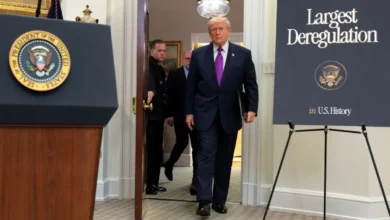
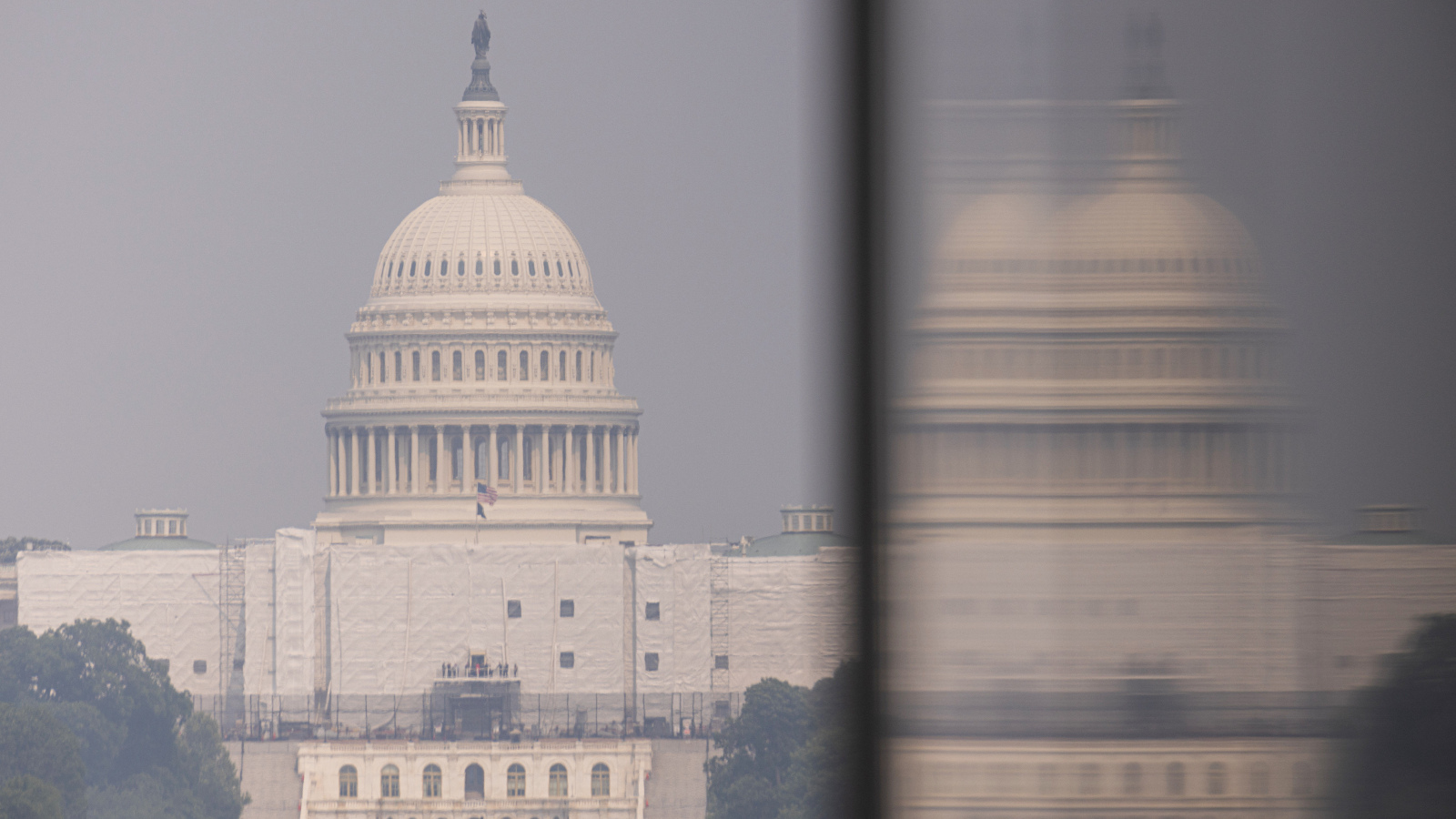
The report’s release coincides with an aggressive period of deregulation at the federal level. Since returning to office, the Trump administration has initiated at least 70 distinct actions aimed at dismantling environmental and climate protections. This represents a significant pivot from the previous administration’s efforts to tighten air quality standards.
A Timeline of Key Regulatory Shifts:
- January 2025 – Present: The Environmental Protection Agency (EPA) initiates the repeal or weakening of vehicle emission standards, which are critical for reducing nitrogen oxides and tailpipe soot.
- February 2026: The EPA announces a loosening of the Mercury and Air Toxics Standards (MATS), allowing coal-fired power plants to emit higher levels of mercury—a potent neurotoxin—and other hazardous pollutants.
- March 2026: The administration moves to disband several independent EPA advisory committees composed of scientists and public health experts who provide data-driven recommendations on air quality limits.
- April 2026: A new policy is formalized that changes how the EPA calculates the "Value of a Statistical Life." By devaluing the monetary benefit of lives saved through regulation, the agency can more easily argue that the costs of compliance for corporations outweigh the public health benefits.
Will Barrett and other advocates argue that these actions represent a fundamental "devaluing of children’s health." By missing deadlines for particle pollution standards and allowing increased emissions from oil and gas facilities, the federal government is perceived to be distancing itself from its core mission of protecting public health.
Economic and Social Implications
The shift in how the government calculates the value of human life marks a profound change in the philosophy of environmental governance. Historically, the EPA used the "Value of a Statistical Life" (VSL) to justify the costs of new regulations. For instance, if a new rule cost the industry $1 billion but saved 200 lives (valued at roughly $10 million each), the rule was deemed economically beneficial. By ending the practice of estimating these saved lives while still calculating the costs to companies, the administration has tilted the scales in favor of industrial deregulation.
However, economists warn that the "hidden costs" of air pollution will eventually manifest in the economy. Increased hospitalizations for asthma, lost workdays for parents caring for sick children, and the long-term decrease in productivity due to chronic illness represent a massive financial drain. A study by the Lancet Commission on Pollution and Health estimated that pollution-related illnesses cost the global economy billions in lost productivity every year—costs that are ultimately borne by taxpayers and families rather than the polluting industries.
Conclusion: The Path Forward
The American Lung Association’s report serves as a stark reminder that the battle for clean air is far from won. While the Clean Air Act of 1970 initially led to decades of improvement, the combination of a warming planet and a retreating regulatory state has put those gains at risk.
For the 33.5 million children currently breathing dangerous air, the implications are immediate. The report suggests that without a renewed commitment to transition away from fossil fuels, strengthen vehicle standards, and protect the integrity of scientific advisory boards, the "State of the Air" will continue to deteriorate. As Will Barrett concluded, the current trajectory suggests a "wide-scale effort to eliminate health protections," leaving the next generation to face the consequences of a compromised atmosphere.