New Mexico Addresses Critical Seedling Shortage Through Unprecedented Reforestation Initiative

The state of New Mexico is currently grappling with the long-term ecological and infrastructural consequences of increasingly frequent and severe wildfires. While the immediate focus of disaster response often centers on fire suppression and emergency relief for displaced residents, the long-term recovery of the landscape hinges on a monumental task: reforestation. However, New Mexico faces a staggering deficit in its capacity to produce the seedlings necessary to restore its charred highlands. To address this crisis, a multi-institutional collaboration known as the New Mexico Reforestation Center (NMRC) is launching an ambitious initiative to revolutionize the state’s "seed-to-forest" pipeline, aiming to produce millions of climate-resilient trees annually.
The Scale of the Reforestation Challenge
The urgency of this project is underscored by the sheer scale of recent forest loss. Since the year 2000, wildfires have consumed approximately 7 million acres across New Mexico. The 2022 Hermit’s Peak-Calf Canyon Fire, which became the largest and most destructive wildfire in the state’s recorded history, burned more than 341,000 acres. Experts estimate that this single fire event created a need for 17.6 million seedlings to restore the most severely burned areas.
Beyond the Hermit’s Peak-Calf Canyon scar, the cumulative backlog for the entire state is even more daunting. Current assessments suggest that 385 million trees are needed to address existing burn scars across New Mexico. This figure does not account for future fire seasons, which are expected to intensify as the Southwest continues to experience aridification and rising average temperatures.
At present, New Mexico’s reforestation infrastructure is woefully inadequate. The primary facility, the John T. Harrington Forestry Research Center, typically produces between 250,000 and 300,000 seedlings per year. At this rate, it would take more than half a century to replant just the area affected by the 2022 mega-fire. Historically, the state has supplemented its supply by purchasing seedlings from nurseries as far away as Idaho. However, these trees often struggle to survive when transplanted into the harsh, high-elevation environments of the Southwest, leading to high mortality rates and wasted resources.
A Chronology of Escalating Wildfire Impact
The path to the current crisis has been paved by decades of shifting fire regimes and environmental stress. A brief chronology of significant events highlights the growing need for a centralized reforestation strategy:
- 2000: The Cerro Grande Fire burns 43,000 acres and destroys hundreds of homes in Los Alamos, signaling the start of a new era of high-severity fires in the state.
- 2011: The Las Conchas Fire sets a then-record for the fastest-growing fire in the U.S., burning over 150,000 acres in the Jemez Mountains and threatening the Los Alamos National Laboratory.
- 2022 (April–August): The Hermit’s Peak-Calf Canyon Fire, ignited by two separate escaped prescribed burns by the U.S. Forest Service, devastates the Sangre de Cristo Mountains. It destroys over 900 structures and causes massive soil instability.
- 2022 (Late Summer): Record-setting post-fire monsoon floods sweep through the burn scars, contaminating water supplies for the city of Las Vegas, New Mexico, and surrounding communities.
- 2022 (Late Year): The New Mexico Reforestation Center is conceived as a partnership between the New Mexico State Forestry Division, the University of New Mexico (UNM), New Mexico State University (NMSU), and New Mexico Highlands University (NMHU).
- 2024 (Spring): Groundbreaking begins on a massive new greenhouse facility in northwestern New Mexico, designed to expand production capacity to 5 million seedlings annually.
Forests as Critical Water Infrastructure
The motivation behind the NMRC extends beyond aesthetics or timber production; it is a matter of water security. In New Mexico, forests function as the state’s primary water infrastructure. Approximately 70% of the water used by the state’s population originates in forested watersheds, where snowpack acts as a natural reservoir, slowly releasing water into streams and rivers during the spring and summer.
When high-severity fires strip the landscape of its canopy and ground cover, the "water tower" effect is compromised. Without trees to provide shade, snowpack melts prematurely, leading to earlier and more volatile runoff. Furthermore, the loss of root systems results in catastrophic soil erosion. During heavy rains, ashy debris and sediment are washed into rivers, clogging filtration systems and rendering drinking water undrinkable for downstream users. For communities like those along the Gallinas River, the health of the forest directly dictates the availability of clean water.
The New Mexico Reforestation Center: A Comprehensive Pipeline
The NMRC is designed to address every stage of the reforestation process, utilizing a "right tree, right place" philosophy that emphasizes regional genetics and climate adaptation.
Seed Collection and Processing
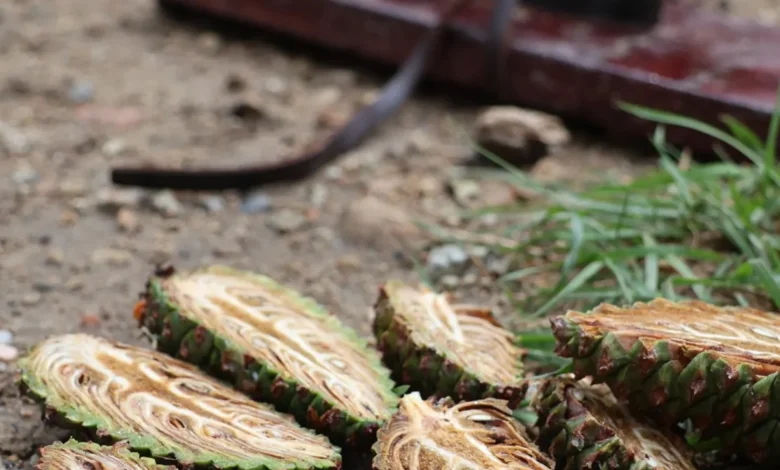
Led by New Mexico Highlands University, the first stage of the pipeline involves the tedious and rugged work of collecting native seeds from diverse elevations and microclimates across the state. This ensures genetic diversity and local adaptation. In a uniquely regional twist, the center utilizes a repurposed chili roaster to extract seeds from cones and pods, demonstrating an innovative use of local technology to handle large volumes of organic material.
Nursery Production and Drought Conditioning
New Mexico State University oversees the nursery operations, where researchers are pioneering "drought conditioning" techniques. By intentionally exposing seedlings to controlled levels of moisture stress while still in the greenhouse, researchers can "harden" the plants, making them better equipped to survive the transition to the parched soils of a burn scar. This process is vital for species like the Ponderosa Pine and Douglas Fir, which face increasingly hostile conditions in the wild.
Modeling and Monitoring
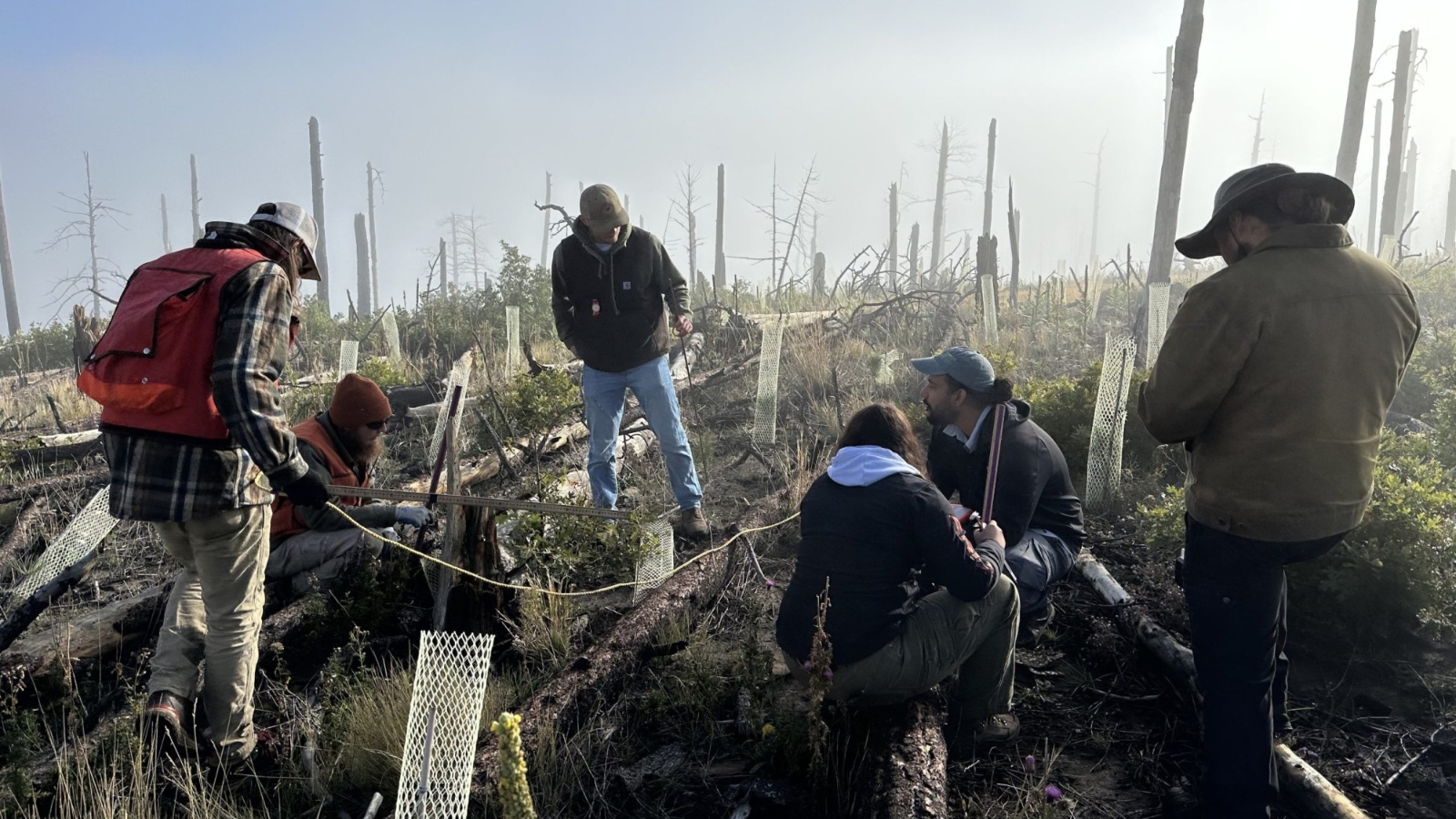
The University of New Mexico provides the analytical backbone of the project, using sophisticated climate modeling to predict where seedlings will have the highest chance of survival. Crucially, these models do not aim for the climate of today, but for the projected climate of 2100. By planting trees in locations that will remain viable as the world warms—a strategy sometimes called "assisted migration"—the NMRC hopes to ensure that the forests planted today will still be standing a century from now. Once planted, the sites are monitored using drone technology and ground surveys to track growth and survival rates.

Broader Implications and Regional Impact
The establishment of the NMRC represents a shift in how Western states approach land management in the era of climate change. While the center’s immediate priority is the restoration of New Mexico’s landscapes, its impact is expected to resonate across the "Four Corners" region. Areas of northern Arizona and southern Colorado share similar ecological profiles and face identical challenges regarding wildfire and water scarcity. As the NMRC scales up to its target production of 5 million seedlings, it may serve as a regional hub, providing high-quality, climate-adapted stock to neighboring states.
The project also carries significant social and economic weight. Reforestation is a labor-intensive industry that requires a skilled workforce for seed collection, greenhouse management, and field planting. By investing in this infrastructure, New Mexico is creating a "restoration economy" that can provide stable employment in rural areas often hit hardest by wildfire disasters.
Community Engagement and the Path Forward
Beyond the technical and scientific achievements, the NMRC is focused on the human element of recovery. In communities like Mora, where the trauma of the 2022 fires remains fresh, the center has initiated educational programs for local students. By involving children in seed collection and art workshops focused on forest health, the initiative seeks to foster a sense of stewardship and hope.
Jennifer Auchter, Director of the New Mexico Reforestation Center, emphasizes that building a forest is a multigenerational commitment. The massive greenhouse facility—spanning 155,000 square feet—is not merely a building but a symbol of the state’s refusal to let its highland ecosystems disappear into shrubland or desert.
As the center breaks ground, the challenges remain immense. Funding must be sustained, and the unpredictable nature of future climate events poses a constant threat. However, the collaborative model of the NMRC provides a blueprint for resilience. By integrating state policy, academic research, and community involvement, New Mexico is taking a decisive step toward securing its ecological future. The transition from a 50-year recovery timeline to a proactive, science-driven restoration strategy marks a turning point in the management of the American West’s most precious resource: its forests.