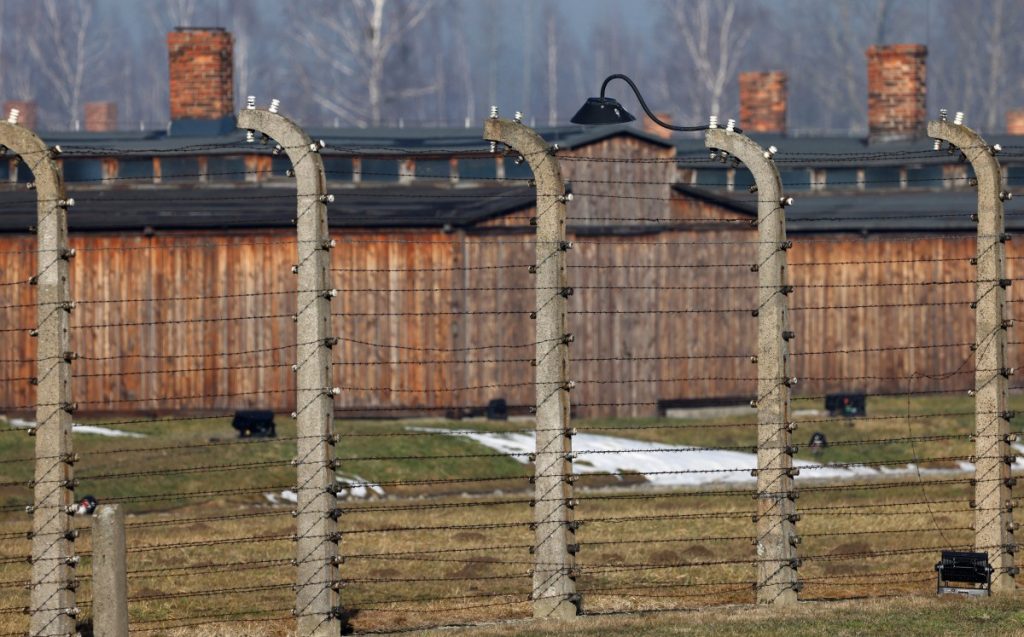
Auschwitz 80th anniversary survivors, bearing witness to unimaginable horrors, are the embodiment of human resilience. Their stories, etched in the annals of history, are not just accounts of suffering, but powerful testaments to the indomitable spirit of the human heart. This anniversary marks a crucial moment for reflection, honoring their experiences, and ensuring that such atrocities are never repeated.
A comprehensive look at their lives, challenges, and the legacy they leave behind, reveals the profound impact of the Holocaust and the importance of remembering the past.
The 80th anniversary of Auschwitz compels us to examine the profound impact of the Holocaust on survivors, from the immediate psychological and emotional toll to the long-term physical health challenges. We delve into the experiences of diverse survivor groups, highlighting resilience, coping mechanisms, and the various forms of trauma they endured. These stories are vital to understanding the depth of suffering and the strength of the human spirit.
Introduction to the 80th Anniversary
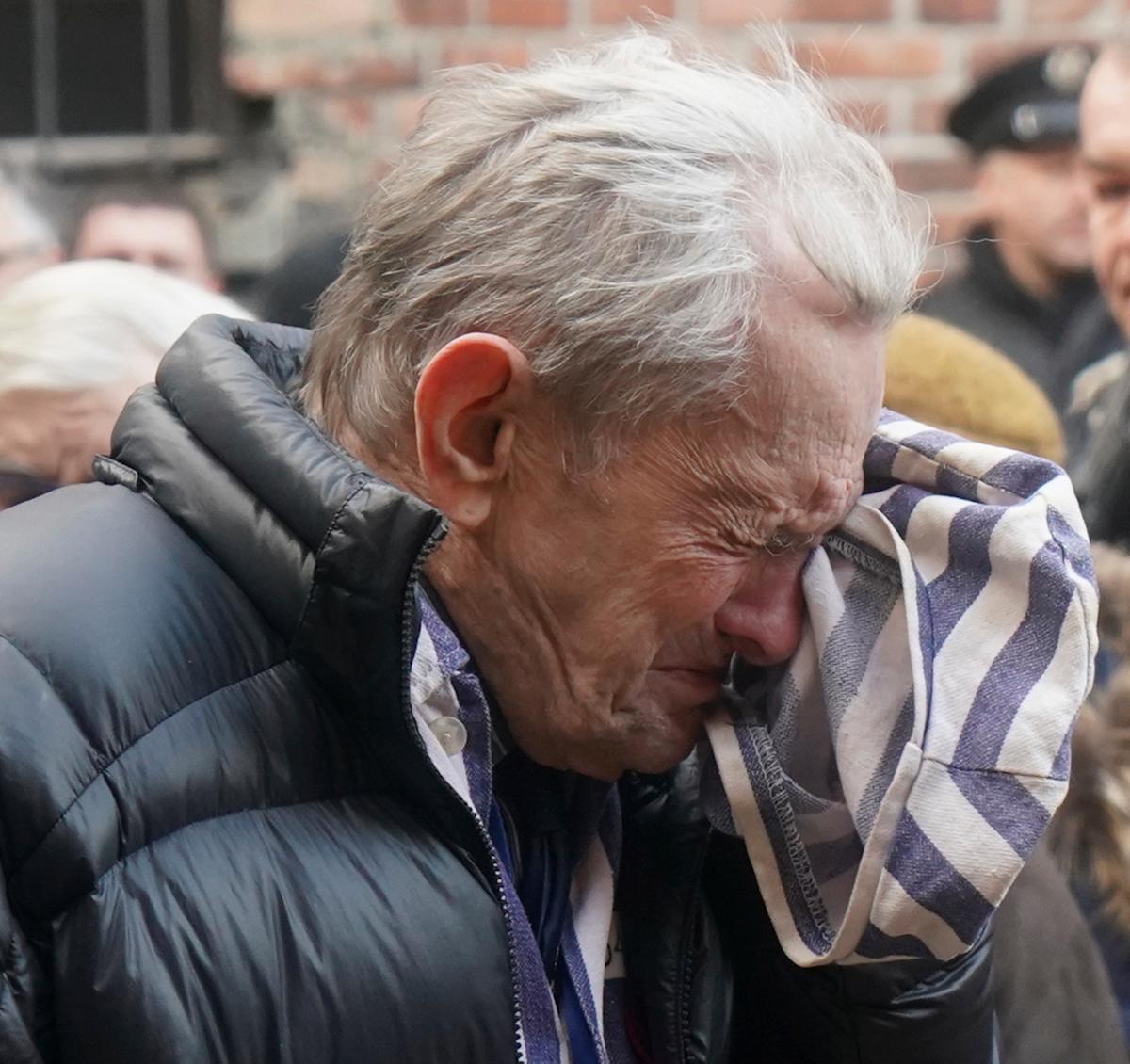
Auschwitz-Birkenau, a complex of Nazi concentration and extermination camps, stands as a stark testament to the horrors of the Holocaust. Established in occupied Poland during World War II, these camps were instrumental in the systematic persecution and murder of millions of people, primarily Jews, but also including Roma, homosexuals, disabled individuals, and political opponents. The sheer scale of the atrocities committed within these camps continues to shock and horrify, demanding unwavering remembrance and profound reflection.The 80th anniversary of the liberation of Auschwitz-Birkenau serves as a crucial moment for global reflection.
It marks an occasion to reaffirm the importance of vigilance against hatred and intolerance, and to ensure that the lessons learned from this dark chapter in human history are not forgotten. Remembering the victims, and honoring the survivors, is not just an act of commemoration, but a vital responsibility to prevent such atrocities from happening again.
Significance of the 80th Anniversary
The 80th anniversary holds particular significance in fostering remembrance and education. It provides an opportunity to educate new generations about the dangers of unchecked prejudice and the importance of standing up against injustice. Furthermore, it serves as a potent reminder of the ongoing struggle for human rights and dignity, a battle that requires constant vigilance.
Importance of Survivor Stories
The stories of the Auschwitz survivors are not just accounts of individual suffering; they are crucial testaments to the resilience of the human spirit. They provide invaluable insights into the conditions within the camps, the systematic dehumanization of victims, and the extraordinary acts of courage and compassion displayed by those who survived. These narratives are vital in ensuring that the atrocities of the Holocaust are never repeated.
These stories are a potent tool for education, reminding us of the devastating consequences of hatred and the importance of remembering the past to shape the future.
Auschwitz Timeline
This timeline highlights key events related to Auschwitz and the survivors.
- 1940: Construction of Auschwitz I begins. This initial camp quickly transformed into a major hub for the Nazi regime’s persecution of Jews and other targeted groups. The sheer scale of the camp’s expansion was a reflection of the regime’s increasing cruelty and the relentless pursuit of its genocidal agenda.
- 1942: The “Final Solution” – the Nazi plan to exterminate the Jews – is implemented. Auschwitz-Birkenau becomes a central site for the mass murder of Jews, who were transported from across Europe.
- 1944: The arrival of Hungarian Jews at Auschwitz-Birkenau significantly increases the death toll. The immense suffering endured by these victims underscores the pervasive nature of the Nazi regime’s brutality.
- January 27, 1945: Soviet forces liberate Auschwitz-Birkenau. This liberation marked a turning point in the war and a crucial moment for the world to confront the horrors of the Holocaust.
- 1945-present: Survivors emerge from the devastation, recounting their experiences, and advocating for remembrance. Their accounts, often harrowing and unforgettable, serve as a constant reminder of the dangers of intolerance and hatred.
The Impact of the Holocaust on Survivors
The Holocaust, a period of unparalleled brutality and systematic genocide, left an indelible mark on the lives of those who survived. The sheer horror experienced during this time profoundly shaped their physical and mental well-being, often leading to long-lasting trauma. This exploration delves into the profound and varied impacts on survivors, recognizing the unique experiences and resilience exhibited by individuals facing unimaginable adversity.The trauma of the Holocaust transcended simple physical suffering.
It extended into a complex tapestry of psychological, emotional, social, and spiritual wounds that often lingered long after liberation. Survivors faced an uphill battle to rebuild their lives, contending with the loss of loved ones, the destruction of their communities, and the societal stigma that often followed. This legacy of suffering demanded a profound understanding of the psychological and physical consequences that shaped the survivors’ lives.
Long-Term Psychological and Emotional Effects
The psychological and emotional scars of the Holocaust were profound and varied. Survivors frequently experienced intense anxiety, depression, and post-traumatic stress disorder (PTSD). Flashbacks, nightmares, and intrusive thoughts were common, disrupting daily life and creating significant challenges in forming healthy relationships. Many struggled with feelings of guilt, shame, and survivor’s guilt, questioning their own survival and the fate of those lost.
The profound loss of identity and security was a pervasive feature of their experience. Survivors often carried the weight of witnessing unimaginable horrors, perpetuating a cycle of emotional distress.
Physical Health Challenges
The physical toll of the Holocaust was immense. Survivors endured starvation, disease, forced labor, and inhumane medical experiments. Malnutrition, exhaustion, and exposure to disease resulted in long-term health issues, including weakened immune systems, chronic pain, and physical disabilities. Many faced lingering health complications, highlighting the profound physical damage inflicted by the atrocities. The years spent in concentration camps took a significant physical toll on the survivors’ bodies.
Remembering the Auschwitz 80th anniversary survivors is crucial. Their stories remind us of the importance of resilience and the fight for justice. Modern tools like best referral program software can help us create more supportive systems, but ultimately, the strength of human connection, inspired by their experiences, is what truly matters. The impact of their survival continues to inspire us all.
Comparison of Survivor Experiences
The experiences of Holocaust survivors varied based on their background, the concentration camps they endured, and their resilience. Children separated from their families experienced profound emotional trauma, while those who had lost spouses or parents faced the devastating consequences of broken familial bonds. Jews who had experienced forced labor suffered from the long-term effects of physical exhaustion and chronic illness.
The experiences of different survivor groups underscore the diverse impact of the Holocaust. Each survivor’s story was unique, yet their collective experience reflected the devastating impact of the systematic persecution.
Remembering the Auschwitz 80th anniversary survivors is crucial. Their stories are powerful reminders of the horrors of the past, and their resilience is truly inspiring. To ensure these stories continue to reach a wider audience, a relaunch high ranking website like this one is essential. This will help keep their experiences alive for future generations, and remind us of the importance of fighting against hatred and prejudice.
The Auschwitz 80th anniversary survivors deserve our continued respect and remembrance.
Examples of Resilience and Coping Mechanisms
Despite the immense suffering, survivors demonstrated remarkable resilience and employed various coping mechanisms. Some sought solace in faith, while others found strength in community support. Many actively participated in rebuilding their lives, establishing new families, and contributing to their new communities. These examples underscore the power of the human spirit to endure unimaginable hardship and emerge with a renewed sense of purpose.
Stories of survivors who rebuilt their lives serve as powerful testaments to the human capacity for resilience.
Trauma Experienced by Survivors
| Physical Trauma | Psychological Trauma | Social Trauma | Spiritual Trauma |
|---|---|---|---|
| Starvation, disease, physical abuse, forced labor, medical experiments. | PTSD, anxiety, depression, flashbacks, nightmares, survivor’s guilt, loss of identity, shame, difficulty forming relationships. | Loss of family, community, social standing, discrimination, stigma. | Loss of faith, questioning of God, spiritual emptiness, loss of purpose. |
Voices of the Survivors
The echoes of Auschwitz reverberate through time, not just in the physical remnants of the camp, but in the stories of those who survived. Their accounts are not mere historical records; they are living testaments to the human spirit’s resilience and the enduring power of memory. Preserving these narratives is crucial for understanding the past and shaping a more just future.The Holocaust, a systematic and horrific persecution, left an indelible mark on the lives of survivors.
Their experiences, though unique, often share common threads of trauma, loss, and the struggle for survival. These shared experiences, alongside the individual journeys, form a rich tapestry of human resilience and the complexities of the human condition. Understanding the survivors’ accounts, and the variations across generations, helps us to grasp the full spectrum of the impact of the Holocaust.
Preserving Survivor Memories
The act of preserving survivor testimonies is vital to ensure the lessons of the Holocaust are not forgotten. These narratives offer invaluable insights into the human capacity for both unspeakable cruelty and extraordinary courage. They serve as a potent reminder of the importance of vigilance against prejudice and hatred. They provide irreplaceable evidence for future generations.
Common Themes in Survivor Accounts
Survivors often recount similar themes. These encompass the dehumanization they experienced, the harrowing conditions in the camps, the loss of loved ones, and the enduring psychological trauma. These common threads weave together a powerful narrative that highlights the universality of human suffering and the importance of empathy. The psychological toll of witnessing unimaginable horrors, and the emotional scars that linger, are also recurrent motifs.
Generational Variations in Survivor Narratives
The experiences of survivors vary significantly depending on their age during the Holocaust. Those who were children or teenagers often share accounts of profound innocence lost and a difficult transition to adulthood, burdened by witnessing horrors beyond their years. Those who were adults during the Holocaust may offer a more nuanced perspective on the political and social forces that enabled the genocide.
These different perspectives offer a more complete picture of the historical context.
Challenges and Complexities of Sharing Stories
Sharing their experiences can be challenging for survivors. Many grapple with the emotional burden of reliving trauma, the fear of being misunderstood, and the difficulty of expressing the unspeakable. The sheer magnitude of the events they endured can be overwhelming. There is also the potential for misrepresentation or distortion of their stories. They may fear their stories are not heard or understood.
Methods of Sharing Survivor Experiences
Survivors have shared their experiences through a variety of mediums. These methods vary widely in their impact and accessibility.
| Method | Target Audience | Impact | Challenges |
|---|---|---|---|
| Books | Wide range of readers | Provides detailed accounts, often fostering empathy and understanding | Requires significant effort to write and may not always reach a wide audience |
| Interviews | Individuals seeking in-depth knowledge | Allows for direct engagement with the survivor and personal connection | Requires time and resources to conduct and may not always be accessible |
| Speeches | Large groups, often at events | Powerful message delivered directly, impacting the audience | Requires strong public speaking skills and coping with potential emotional distress |
| Art | Individuals interested in creative expression | Visually powerful way to represent emotions and experiences | Can be challenging to translate complex experiences into an artistic form |
Remembering the Past for the Future
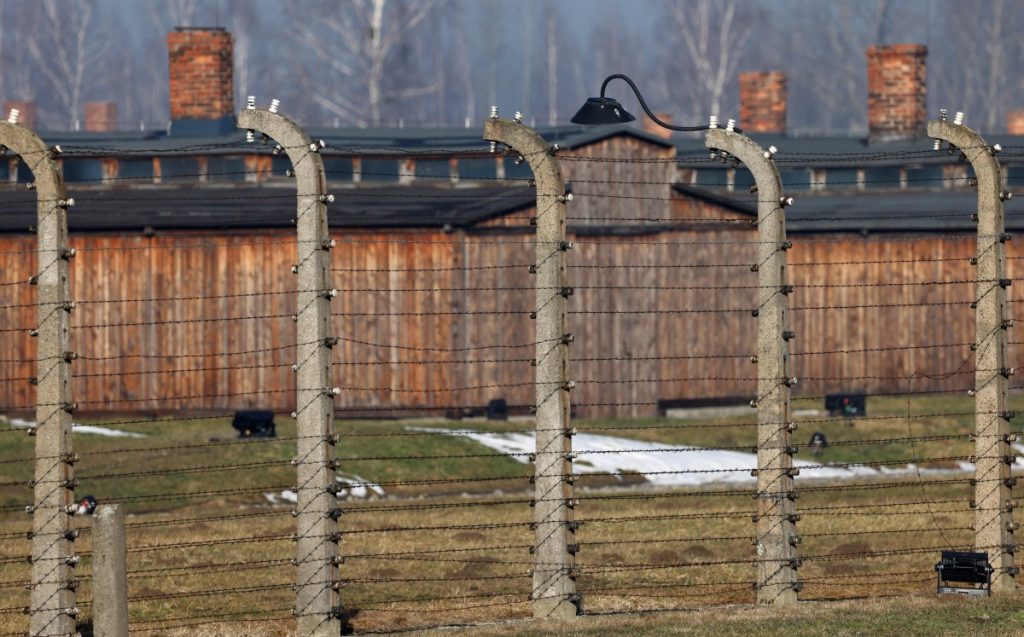
The echoes of Auschwitz still reverberate through time, demanding our unwavering attention. The horrors of the Holocaust serve as a stark reminder of the fragility of peace and the enduring threat of hatred and prejudice. Understanding the past is not merely an academic exercise; it’s a crucial imperative for shaping a better future. We must learn from the mistakes of the past to prevent their repetition.The lessons learned from the Holocaust are not confined to the 20th century.
The insidious nature of prejudice, discrimination, and the dehumanization of others continues to manifest in various forms today. From xenophobia to systemic racism, echoes of the past resonate in contemporary struggles. Remembering the Holocaust is not about dwelling on the past; it’s about recognizing the enduring relevance of its lessons in our present.
The Importance of Holocaust Remembrance in the Present
The ongoing struggle against prejudice and hatred is intrinsically linked to the memory of the Holocaust. Remembering the systematic annihilation of six million Jews, along with millions of others targeted by the Nazi regime, underscores the devastating consequences of unchecked intolerance. By understanding the historical context, we can better recognize and confront contemporary forms of prejudice, such as antisemitism, racism, and discrimination against marginalized groups.
Understanding the past provides a crucial framework for evaluating present-day issues and formulating effective solutions.
The Role of Education and Awareness
Education plays a pivotal role in preventing future atrocities. By fostering critical thinking, empathy, and a deeper understanding of human rights, we can equip future generations to resist hate and discrimination. Education initiatives must be comprehensive, incorporating historical context, survivor testimonies, and analysis of contemporary manifestations of prejudice. This approach helps students develop a nuanced understanding of the roots of hatred and empowers them to become active agents of change.
The Connection Between the Past and Present Struggles Against Prejudice
The horrors of the Holocaust were not an isolated event. They were the culmination of centuries of antisemitism and other forms of prejudice. Recognizing the historical roots of prejudice is crucial for understanding its persistence in contemporary society. By examining the insidious ways in which prejudice can take root and flourish, we can better equip ourselves to challenge and dismantle these structures.
The past provides a vital framework for understanding the present, allowing us to identify patterns and strategies that can be employed to address contemporary challenges.
Survivor Testimonies in Education
Survivor testimonies are invaluable tools for education. These personal accounts provide a unique perspective on the Holocaust, offering insights into the experiences of victims and the resilience of the human spirit. Sharing these stories in educational settings can foster empathy, promote critical thinking, and encourage students to engage with complex historical events. The raw human experience depicted in survivor testimonies is particularly powerful in illustrating the consequences of hatred and prejudice.
Educational Approaches Incorporating Survivor Accounts
| Teaching Method | Student Engagement | Learning Outcomes | Challenges |
|---|---|---|---|
| Interactive storytelling sessions with survivors | Active listening, open discussion, and emotional connection | Developing empathy, critical thinking, and historical understanding | Securing survivor participation, potentially triggering emotional responses in students |
| Document analysis of survivor letters and diaries | Research skills, close reading, and historical contextualization | Deepening understanding of individual experiences and the social context | Accessibility of primary sources, potential for sensitive content |
| Comparative study of historical and contemporary prejudice | Critical analysis, cross-cultural understanding, and awareness of global issues | Developing a nuanced understanding of prejudice, its historical roots, and contemporary manifestations | Maintaining objectivity and balance in presentation, ensuring diverse perspectives are represented |
| Creative writing projects based on survivor accounts | Imaginative expression, perspective-taking, and exploration of themes | Developing emotional intelligence, enhancing empathy, and promoting reflection on historical events | Ensuring respectful and sensitive approaches, fostering creative expression without trivializing the experiences |
The Legacy of Resilience
The horrors of Auschwitz, and the Holocaust as a whole, left an indelible mark on the world. But the spirit of those who survived transcends the unspeakable. Their resilience, their determination to rebuild their lives, and their unwavering commitment to advocacy became a powerful testament to the human capacity for hope and healing. This enduring legacy continues to inspire us today.The survivors’ journey from the depths of despair to active participation in shaping a better future is a testament to the indomitable human spirit.
Their activism has significantly influenced policies and attitudes, leaving an enduring impact on international human rights efforts. Their experiences, shared with the world, have been instrumental in preventing future atrocities.
Inspiring Stories of Resilience
Auschwitz survivors faced unimaginable trauma, yet they demonstrated remarkable resilience in rebuilding their lives. Their stories are a profound testament to the human spirit’s capacity for recovery and hope. These narratives highlight the strength of the human will, and the importance of support networks in fostering healing and rebuilding. For example, many survivors found solace and support in establishing communities with other survivors, sharing their experiences, and collectively working towards a brighter future.
These shared experiences provided a crucial support system.
Impact of Survivor Activism and Advocacy
Survivor activism has played a critical role in raising awareness about the Holocaust and preventing future atrocities. Their unwavering commitment to sharing their experiences, educating others, and advocating for human rights has had a profound impact on international policy and social consciousness. They have become powerful voices against hatred and intolerance, serving as a powerful reminder of the devastating consequences of prejudice and discrimination.
For example, survivors’ testimony and advocacy were instrumental in the establishment of international human rights laws and institutions.
Role of Survivor Organizations in Supporting the Community
Survivor organizations are essential in supporting the community of Holocaust survivors. These organizations provide crucial resources and support to their members, helping them navigate the challenges of rebuilding their lives, maintaining their health, and remembering the past. They also play a critical role in preserving the memories of the Holocaust through historical documentation, education, and memorial activities. These organizations often serve as vital community hubs, providing emotional support, practical assistance, and opportunities for connection.
Importance of Survivor Voices in Shaping Policies and Promoting Human Rights
Survivor voices have been instrumental in shaping policies and promoting human rights. Their experiences, directly impacted by the Holocaust, are invaluable in informing legislative frameworks and advocacy strategies aimed at preventing future atrocities. The direct testimony of survivors is often crucial in informing and influencing policymakers, advocating for human rights, and preventing future instances of genocide and persecution.
Their experiences are crucial in fostering empathy, understanding, and tolerance in society.
Key Survivor Organizations and Their Contributions
- The World Jewish Congress (WJC): A global organization that advocates for the rights and well-being of Jewish communities worldwide. The WJC plays a critical role in addressing antisemitism and promoting tolerance. Their work often includes supporting Holocaust survivors and education initiatives.
- The Conference on Jewish Material Claims Against Germany: This organization is dedicated to recovering and distributing funds for Holocaust victims and survivors, and to supporting their needs. They provide critical resources and assistance to survivors in their rehabilitation.
- The Simon Wiesenthal Center: This organization is committed to Holocaust remembrance, combating antisemitism, and pursuing justice for victims of the Holocaust. Their contributions include the documentation of Nazi crimes and the pursuit of perpetrators.
- Numerous local Holocaust survivor organizations: These organizations, often based in specific regions or countries, provide vital local support networks, resources, and community services for survivors and their families. They are particularly important for addressing the needs of individual survivors and their unique circumstances.
80th Anniversary Commemorations: Auschwitz 80th Anniversary Survivors
The 80th anniversary of the liberation of Auschwitz-Birkenau marks a crucial moment for remembrance and reflection. It’s a time to honor the victims, acknowledge the enduring impact of the Holocaust, and reaffirm global commitment to preventing such atrocities from ever happening again. This anniversary is more than a date; it’s a call to action.The commemorations, spanning the globe, serve as a powerful testament to the shared human experience of loss and the enduring strength of the human spirit.
They are a reminder that history, and its lessons, must be constantly revisited and re-evaluated to prevent future atrocities. Global efforts are multifaceted, encompassing official ceremonies, public exhibitions, and educational initiatives.
Global Efforts to Remember the Victims and Survivors
International efforts to remember the victims and survivors of the Holocaust are widespread and diverse. They range from large-scale events to smaller, community-based initiatives. The need for collective memory is paramount. The world recognizes that the horrors of the Holocaust cannot be forgotten, and that remembering the victims and survivors is a moral imperative.
- Memorial services and ceremonies are held in numerous countries, often attended by government officials, survivors, and members of the public. These gatherings serve as powerful reminders of the victims’ suffering and the importance of never forgetting.
- Educational programs and exhibitions are organized to educate future generations about the Holocaust. These initiatives aim to prevent the repetition of past mistakes by fostering critical thinking and understanding about history.
- Community initiatives, often led by survivors or their descendants, provide platforms for sharing personal stories and experiences. These narratives serve as a powerful reminder of the human cost of genocide.
Role of International Organizations and Governments
International organizations and governments play a pivotal role in commemorating the 80th anniversary. Their involvement reflects the global consensus that remembering the past is crucial for shaping the future. This includes official declarations, statements, and participation in commemorative events.
- The United Nations and its member states are actively involved in the commemorations. Official statements and resolutions often address the importance of remembering the victims and the need to combat intolerance and hatred.
- Many national governments organize commemorative events, including public lectures, educational programs, and historical exhibitions. These initiatives help to raise awareness about the Holocaust within their own countries.
- International collaborations are essential to coordinating global efforts. These include sharing resources, information, and best practices for remembrance and education.
Examples of Public Events and Initiatives
Numerous public events and initiatives mark the 80th anniversary, from formal ceremonies to artistic expressions. These events demonstrate the enduring impact of the Holocaust on global consciousness. These range from official ceremonies to community-based initiatives.
Thinking about the Auschwitz 80th anniversary survivors, their stories are truly heartbreaking. It’s a stark reminder of the importance of remembering history. Meanwhile, if you’re looking for delicious food adventures, check out this amazing foodies guide to southern Oregon’s Rogue Valley, a foodies guide to southern oregons rogue valley. The resilience of the human spirit, like the survivors of Auschwitz, is something we should all strive to understand and honor.
- Many countries are hosting exhibitions and documentaries about the Holocaust and the experiences of survivors.
- Artistic performances, including plays, concerts, and films, are being presented to express the horrors and the human resilience of survivors.
- Public lectures and discussions are held to promote historical understanding and critical thinking. These provide a platform for sharing insights and experiences.
Significance of Different Forms of Remembrance, Auschwitz 80th anniversary survivors
Different forms of remembrance, from formal ceremonies to personal narratives, each hold significant value. They collectively contribute to a comprehensive understanding of the Holocaust. These forms serve to both commemorate the victims and inspire action against future atrocities.
- Official ceremonies, often attended by heads of state and international figures, symbolize the global commitment to remembrance.
- Personal narratives and stories shared by survivors provide intimate insights into the human cost of genocide.
- Artistic expressions, such as films, plays, and musical performances, help to convey the emotional impact of the Holocaust and inspire reflection.
International Commemorations
| Country | Event Type | Key Features | Significance |
|---|---|---|---|
| Germany | Official Memorial Service | Attended by political leaders, survivors, and international guests | Demonstrates Germany’s commitment to remembrance and accountability. |
| United States | Educational Programs | Focus on Holocaust education in schools and universities | Ensures future generations understand the dangers of intolerance. |
| Israel | Memorial Ceremony at Yad Vashem | Honoring victims, and sharing survivor stories. | Recognizes Israel’s role in preserving memory and aiding Holocaust survivors. |
| Poland | Restoration of Historical Sites | Rebuilding and preserving historical sites of the Holocaust | A crucial step towards honoring victims and acknowledging the atrocities that occurred in Poland. |
Remembering the Victims
The Holocaust, a horrific period in human history, demands constant remembrance. Remembering the victims is not merely an act of historical accuracy, but a moral imperative. It’s a way to honor their lives, understand the atrocities committed, and strive to prevent such tragedies from repeating. This profound duty rests upon acknowledging the scale of the horrors, exploring methods of memorialization, and recognizing the multifaceted ways we can honor the victims.
A deep understanding of the past, therefore, is crucial for building a better future.Remembering the victims is not just about remembering names and dates. It is about understanding the systematic and industrialized nature of the genocide, the sheer scale of suffering, and the relentless pursuit of annihilation.
The Scale of the Atrocities
The Holocaust resulted in the systematic persecution and murder of approximately six million Jews. This included men, women, and children, victims of targeted violence based on their religious identity. The extermination camps, such as Auschwitz-Birkenau, were designed for mass murder. Millions more perished in ghettos, forced labor camps, and through other forms of persecution. The brutality of the Nazi regime extended to other groups, including Roma, homosexuals, disabled individuals, and political opponents.
This vast scale of destruction underscores the urgent need to remember and learn from the past. The sheer number of victims is a testament to the organized and horrific nature of the Holocaust.
Methods of Memorialization and Remembrance
Memorialization takes various forms, each with its unique purpose. Museums and historical sites, such as the United States Holocaust Memorial Museum in Washington D.C., and Yad Vashem in Israel, serve as powerful reminders of the past. They house exhibits, artifacts, and personal accounts, providing visitors with an intimate look at the lives and experiences of those who suffered.
Memorial monuments, often featuring poignant inscriptions and symbolic imagery, offer spaces for contemplation and remembrance. These spaces allow visitors to reflect on the human cost of hatred and intolerance. Furthermore, educational programs and initiatives play a crucial role in raising awareness and promoting understanding. These programs offer crucial insights into the causes and consequences of the Holocaust, ensuring future generations are equipped with the knowledge to prevent similar atrocities.
Ways to Honor the Victims
Honoring the victims of the Holocaust transcends formal memorialization. Learning about their lives, sharing their stories, and advocating for tolerance and human rights are all essential ways to pay tribute. Supporting organizations that fight against antisemitism, racism, and prejudice is another significant way to honor the victims. Promoting education about the Holocaust in schools and communities ensures that future generations understand the dangers of hate and intolerance.
Moreover, actively challenging hate speech and discrimination, both online and offline, is an essential part of honoring the memory of the victims.
The Need for Vigilance Against Future Atrocities
The Holocaust serves as a stark warning about the dangers of unchecked prejudice and hatred. The systematic persecution of minority groups and the denial of human rights can lead to devastating consequences. It is crucial to remain vigilant against the resurgence of hate ideologies and to actively combat discrimination in all its forms. International cooperation, educational initiatives, and the promotion of human rights are vital in preventing future atrocities.
Maintaining a strong commitment to democratic values and human rights is critical.
Notable Memorials and Their Significance
- Auschwitz-Birkenau Memorial and Museum: This site serves as a stark reminder of the horrors of the Nazi regime’s extermination camps. It is a place of solemn reflection and remembrance, where the sheer scale of the atrocities is palpable.
- Yad Vashem, Israel: This world center for Holocaust remembrance honors the victims and documents the history of the Holocaust. It’s a repository of stories, artifacts, and information about the victims. It stands as a symbol of hope and resilience in the face of unimaginable loss.
- United States Holocaust Memorial Museum, Washington D.C.: This museum offers comprehensive exhibitions and educational programs that illuminate the history of the Holocaust. It serves as a vital resource for understanding the past and promoting tolerance in the present.
Final Summary
In commemorating the 80th anniversary of Auschwitz, we honor the survivors, acknowledge the victims, and reaffirm our commitment to preventing future atrocities. Their stories, shared through various mediums, serve as a powerful reminder of the importance of remembrance, education, and vigilance against prejudice. The legacy of resilience and the efforts of survivor organizations are crucial in shaping policies and promoting human rights, ensuring that the lessons of the past guide the present and future generations.