As the Marvel Cinematic Universe (MCU) approaches a pivotal juncture in its storytelling trajectory, Marvel Studios President Kevin Feige has orchestrated a cinematic convergence that bridges a quarter-century of superhero filmmaking. With the impending release of Avengers: Doomsday, slated for theatrical distribution on December 18, the studio is effectively closing the loop on the legacy of the X-Men franchise, which served as the progenitor for the modern era of comic book cinema. This synthesis of the classic 2000s-era X-Men cast with the established MCU roster represents a milestone in intellectual property management, blending the foundational efforts of early 2000s productions with the expansive narrative architecture of the current Avengers cycle.
A Legacy Reimagined: From Fox to Disney
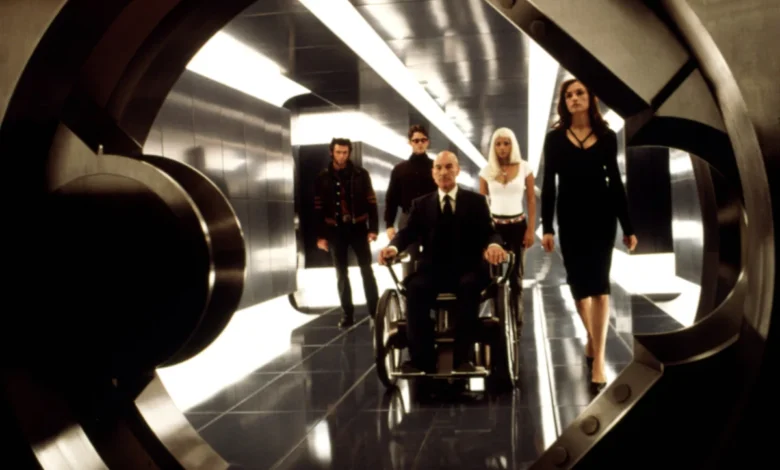
The integration of characters such as James Marsden’s Cyclops, Rebecca Romijn’s Mystique, and the iconic iterations of Professor Charles Xavier and Magneto into the Avengers: Doomsday narrative is not merely a stylistic choice; it is a structural culmination of years of corporate and creative maneuvering. When Kevin Feige served as an associate producer on the original 2000 X-Men film, the landscape of blockbuster cinema was vastly different. At that time, superhero films were viewed as high-risk ventures with limited cross-generational appeal.
The evolution from that initial experiment to the global phenomenon of the MCU—which has grossed over $30 billion worldwide across various iterations—is the thematic spine of Feige’s current strategy. In a recent exclusive interview with Empire, Feige reflected on the long-gestating dream of unity between these disparate franchises. He highlighted the persistence of Hugh Jackman, who frequently posited during press junkets two decades ago that the X-Men and the Avengers might one day share the screen. Feige noted that bringing these worlds together serves as a definitive "fun way to culminate a quarter-century of storytelling," signaling a clear intent to honor the roots of the genre while simultaneously advancing the MCU’s Multiverse Saga.
Chronology of the Marvel Cinematic Convergence
To understand the magnitude of this crossover, one must look at the timeline of events that led to the present. The journey began in 2000 with the release of Bryan Singer’s X-Men, which laid the groundwork for the modern ensemble superhero film. Following this, the MCU officially launched in 2008 with Iron Man, creating a separate continuity that would dominate the next decade.
The catalyst for the current merger was the 2019 acquisition of 21st Century Fox by The Walt Disney Company. This monumental merger brought the film rights for the X-Men, Fantastic Four, and Deadpool back under the Marvel Studios umbrella. Since then, the studio has incrementally introduced mutant elements, most notably in the post-credits scenes of series like Ms. Marvel and the theatrical release of Deadpool & Wolverine. Avengers: Doomsday acts as the apex of this integration, serving as the first true "collision" of the original X-Men cast and the Avengers.
Creative Synergy: The Writing Room Expansion
A significant development that has surfaced in recent weeks concerns the script for Avengers: Doomsday. Industry observers noted that the official screenwriting credits for the project have expanded to include 10 contributors, most notably Ryan Reynolds and Hugh Jackman. This development suggests a high level of creative collaboration between the stars of the Deadpool franchise and the core MCU writing team.
While the exact nature of their contributions—whether they involve extensive dialogue polish, character-specific narrative arcs, or structural refinements—remains confidential, the inclusion of Reynolds and Jackman reflects a shift toward a more collaborative production model. By involving the actors who have defined these mutant roles for decades, Marvel Studios is ensuring that the transition into the MCU feels authentic to the established personas of the characters, rather than a superficial reintroduction. The involvement of such high-profile talent in the writing process indicates that Avengers: Doomsday is intended to be a deeply character-driven experience, focusing on the historical weight these icons carry with long-term fans.
The Final Performance of Patrick Stewart
Perhaps the most poignant aspect of the upcoming release is the confirmed return of Sir Patrick Stewart as Professor Charles Xavier. This role marks his ninth portrayal of the telepathic mentor, a character he first inhabited in the year 2000. Marvel Studios has officially confirmed that this will be Stewart’s final on-screen appearance, serving as a cinematic farewell to a figure who defined the moral compass of the X-Men universe.
In an official tribute released by the studio, Marvel acknowledged the gravitas Stewart brought to the role, noting that his performance consistently balanced "composure, class, and wisdom." The studio emphasized that Stewart’s portrayal transcended the standard tropes of the genre, providing a grounded, intellectual anchor for the X-Men series. His inclusion in Avengers: Doomsday is being treated as a historical event, effectively closing the chapter on his 25-year tenure as the leader of the X-Men.
Implications for the MCU and the Future of Franchises
The inclusion of legacy characters in Avengers: Doomsday carries significant implications for the future of the Marvel Cinematic Universe. Primarily, it signals that the Multiverse is no longer just a narrative plot device, but a tool for legacy preservation. By acknowledging the history of the 2000s X-Men, Marvel Studios is validating the audience’s long-term investment in these characters, even those that existed outside the official MCU canon for years.
From an analytical standpoint, this strategy serves a dual purpose. First, it generates intense fan engagement through nostalgia, which is a powerful driver of box office performance in an increasingly competitive theatrical market. Second, it allows the studio to "reset" the status quo of the MCU. By bringing these established actors in for a grand finale, Marvel creates an opportunity to transition toward a new generation of mutants and heroes in the post-Doomsday landscape.
Furthermore, the integration of these legacy characters provides a template for how major studios may handle intellectual property in the future. As the "superhero fatigue" narrative continues to permeate industry discourse, the ability to weave legacy content into modern blockbusters serves as a method of keeping established franchises relevant. It allows the studio to iterate on proven successes while providing a sense of finality to the arcs that audiences have followed for decades.
Economic and Cultural Impact
The financial stakes for Avengers: Doomsday are high, as the film is expected to serve as a cornerstone for the studio’s next phase of growth. The budget for the film, while undisclosed, is anticipated to be among the highest in the studio’s history, given the sheer volume of high-profile talent involved. The decision to allocate such significant resources to a film that leans heavily on legacy characters suggests that Marvel is prioritizing brand consolidation.
Cultural critics have observed that the 25-year arc of Marvel cinema mirrors the evolution of the blockbuster itself. From the mid-budget, character-focused X-Men to the sprawling, interconnected epics of the Avengers, the genre has moved from the fringes of pop culture to the absolute center. The participation of veterans like Stewart and the newer generation like Reynolds and Jackman underscores the continuity of this evolution.
Conclusion: A Moment of Synthesis
As the release date for Avengers: Doomsday approaches, the anticipation is not merely for the action sequences or the spectacle of the Multiverse, but for the closure it promises. For Kevin Feige, the journey is personal. Having been present at the inception of the X-Men franchise in the early 2000s, he is uniquely positioned to bridge the gap between the past and the future of the MCU.
The film represents more than just a crossover; it is an acknowledgement of the shared history of comic book cinema. By honoring the contributions of the actors and the creative teams who built the foundations of this genre, Marvel Studios is setting a high bar for what a "culmination" should look like. Whether this results in a permanent shift in the MCU’s direction or remains a standalone celebration of history, the impact of Avengers: Doomsday will likely be felt in the industry for years to come. The final performance of Sir Patrick Stewart, the collaboration of Reynolds and Jackman, and the visionary leadership of Feige all converge on a single goal: to ensure that after 25 years, the story of Marvel remains as compelling as it was on the first day.