Unlock Elite Travel Savings: How Barceló Hotels and Resorts is Redefining Affordable Luxury Through Global Promotions and Loyalty Programs

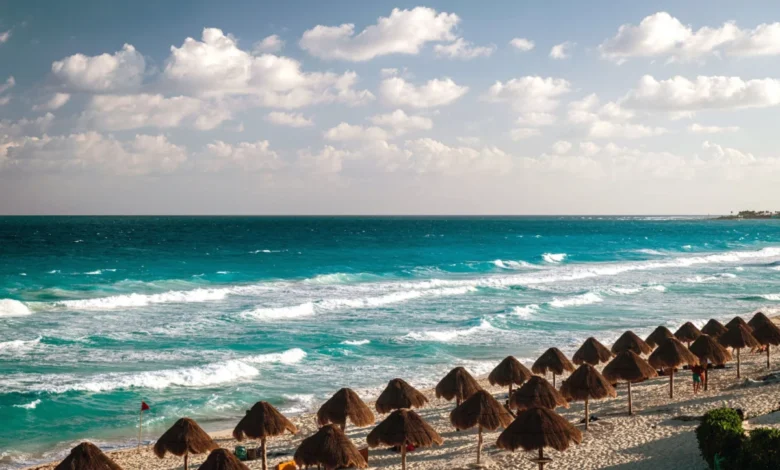
The modern travel landscape has witnessed a significant shift in consumer behavior, with vacationers increasingly seeking a balance between high-end hospitality and fiscal responsibility. Amid rising global inflation and fluctuating travel expenditures, major hospitality brands are recalibrating their marketing and promotional strategies to capture a diverse demographic of couples, families, and solo explorers. Among these industry leaders, Barceló Hotels and Resorts—a global hospitality powerhouse boasting close to 200 properties worldwide—has introduced a comprehensive suite of promotional discounts, seasonal markdowns, and loyalty incentives designed to make luxury travel accessible across multiple continents.
Operating in over two dozen countries, Barceló’s portfolio spans everything from sun-drenched Caribbean all-inclusive resorts to sleek metropolitan properties in historic European and Latin American capitals. As travelers look ahead to their upcoming holiday calendars, the brand’s latest rollout of promotional codes, membership tiers, and targeted demographic discounts provides a timely blueprint for optimizing travel budgets without compromising on amenities, culinary quality, or geographic convenience.
Diverse Portfolio and the Economics of All-Inclusive Travel
The appeal of Barceló Hotels and Resorts lies largely in its structural versatility, offering guests a choice between comprehensive all-inclusive packages and traditional à la carte bookings. For budget-conscious travelers, all-inclusive resorts serve as a strategic financial tool. By bundling lodging, dining, beverages, and entertainment into a single, upfront price point, guests can effectively eliminate unexpected out-of-pocket expenses that frequently derail vacation budgets.
Conversely, for travelers who prefer independent exploration, the brand’s à la carte properties—while operating outside the all-inclusive model—maintain high standards of architectural design, localized gastronomy, and premium guest services. This duality allows the brand to capture two distinct segments of the tourism market: the resort-bound leisure traveler seeking effortless relaxation in destinations like Aruba, Costa Rica, and Mexico, and the urban explorer navigating cultural hubs such as Barcelona, Istanbul, Madrid, and Lisbon.
Industry analysts note that this balanced operational model has insulated the brand against seasonal volatility. When leisure travel slows during shoulder months, urban properties maintain steady occupancy rates driven by business travelers and weekend city-breakers. Conversely, during peak holiday periods, Caribbean and Mediterranean beachfront resorts command high demand, bolstered by aggressive advance-purchase incentives.
Current Promotional Architecture: Code-Based Savings and Seasonal Reductions
To stimulate forward bookings, Barceló has rolled out a tiered promotional framework featuring active discount codes and seasonal price reductions reaching up to 40% off standard rates.
At the forefront of these current offers is the 10HD26 discount code, which grants an additional 10% reduction at checkout for travelers booking select premier properties. This includes flagship destinations such as the Barceló Maya Palace, Barceló Bavaro Palace in Punta Cana, and the Royal Hideaway Playacar. For urban travelers, the stackable CITY10 promo code unlocks an extra 10% savings on city-center hotels located in metropolitan hubs like Mexico City, Guadalajara, and San José. When combined with existing regional discounts that already slash up to 20% off standard rates, these promotional codes offer substantial cumulative savings.
Simultaneously, the brand has launched targeted seasonal campaigns aimed at travelers seeking to escape cooler northern climates. Beachfront properties across the Riviera Maya, Punta Cana, and Cancún feature markdown rates of up to 40% off. Notable properties participating in these deep-discount windows include the Occidental at Xcaret Destination in Playa del Carmen and the Barceló Aruba.
According to hospitality economists, these strategic discounting phases are essential for maintaining high baseline occupancy. By incentivizing travelers to book weeks or months in advance, resorts can better forecast staffing, inventory, and supply chain requirements, ultimately driving operational efficiencies that benefit both the corporation and the consumer.
The My Barceló Loyalty Ecosystem: Tiered Benefits and Stackable Value
Beyond one-off promotional codes, hotel brands are increasingly focusing on direct-booking ecosystems to bypass high commissions paid to third-party online travel agencies (OTAs). Barceló’s proprietary loyalty program, My Barceló, functions as a primary driver of this direct-booking strategy.
The program operates on a cumulative tier structure designed to reward frequency and loyalty. Upon initial registration, members receive an immediate 5% discount on all future bookings, alongside functional perks such as streamlined online check-in, exclusive member-only rates, and priority handling for special room requests, subject to availability.
As guests accumulate stays, the rewards scale correspondingly. Upon completing three reservations, the baseline discount increases to 10%. Reaching the fifth reservation unlocks advanced privileges, including dedicated customer service telephone channels currently being piloted in key markets like Spain. Crucially, these loyalty discounts are designed to be stackable with select seasonal promotions, allowing frequent guests to compound their savings on properties that are already discounted through advance-purchase windows.
Demographic-Specific Incentives: Senior and Military Discounts
In an effort to ensure broad accessibility, Barceló maintains specialized pricing tiers for targeted demographic groups, notably senior citizens and military personnel.
Travelers aged 65 and older, as well as active and retired military staff members, are eligible for an additional 5% discount on select reservations booked directly through the company’s official web portal. Unlike promotional codes that require manual entry, these demographic discounts are integrated directly into the initial search interface. Users simply check the designated box within the "discounts" parameter alongside their travel dates, destination, and guest count.
These provisions align with broader industry trends where hospitality providers seek to capture multigenerational travel demand and honor public service contributions. By building these reductions directly into the booking engine, the brand reduces friction for demographic groups that may be less inclined to hunt for promotional coupon codes across external aggregator sites.
Troubleshooting Promotional Codes: Best Practices for Consumers
As digital promotions become increasingly complex, consumer friction during the checkout phase remains a common challenge. Travel technology specialists advise consumers encountering errors with Barceló discount codes to systematically evaluate several common pitfalls before contacting customer support.
First, users should verify alphanumeric accuracy, ensuring that no trailing spaces or typographical errors have been introduced during the copy-and-paste process. Second, travelers must review the specific terms and conditions associated with each code, as many promotional offers carry blackout dates, minimum length-of-stay requirements, or restrictions regarding property eligibility.
If a code continues to fail, standard digital troubleshooting protocols apply. Clearing browser caches, deleting cookies, or switching between different web browsers and devices often resolves persistent checkout glitches. When technical hurdles cannot be cleared independently, the Barceló customer assistance team maintains dedicated support channels to manually apply valid promotions to pending reservations.
Broader Implications for the Global Hospitality Sector
The aggressive promotional strategies deployed by Barceló Hotels and Resorts reflect a broader transformation within the international travel and tourism sector. As consumers grow increasingly price-sensitive in the wake of inflationary pressures, hospitality brands can no longer rely solely on brand prestige to drive occupancy. Instead, success hinges on delivering demonstrable value through transparent pricing, flexible booking structures, and rewarding loyalty programs.
Furthermore, the emphasis on direct-booking incentives underscores a concerted push by major hotel operators to reclaim market share from third-party booking platforms. By offering stackable discounts, exclusive loyalty rates, and auxiliary perks exclusively through direct channels, brands are successfully migrating consumers away from OTAs, thereby securing valuable first-party data and reducing distribution costs.
As the travel industry continues to stabilize and adapt to shifting macroeconomic realities, initiatives like those implemented by Barceló serve as a barometer for consumer engagement. For the modern traveler equipped with the right combination of promo codes, loyalty memberships, and seasonal awareness, the prospect of experiencing luxury accommodations at a competitive price point remains well within reach.