The Ultimate Guide to Affordable Luxury in Bali: How to Experience the Island of the Gods on a Budget

Bali has long occupied a unique tier in the global tourism landscape, celebrated for its mystical allure, spiritual resonance, and reputation as a high-value destination. For decades, travelers seeking an escape characterized by lush landscapes, pristine beaches, and world-class hospitality have looked to the Indonesian island as a place where financial constraints do not necessarily mean compromising on quality. Even amid shifting global economic currents, rising inflation, and post-pandemic tourism rebounds that have driven up costs across many traditional hotspots, Bali retains its remarkable capacity to deliver extraordinary travel experiences at accessible price points.
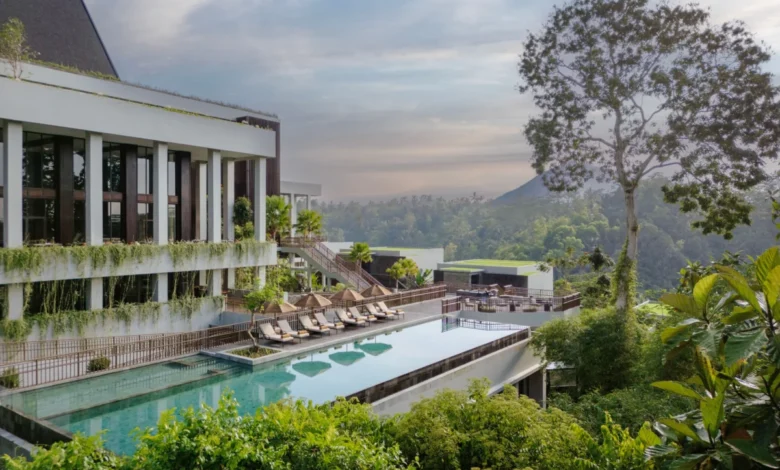
Drawing from extensive on-the-ground insights gathered over four years of residency and continuous exploration across the island, seasoned travel experts and industry analysts confirm that affordable hospitality remains deeply embedded in Bali’s tourism infrastructure. Visitors can still secure luxurious private villas, swim in architectural masterpieces of infinity pools, dine on world-class cuisine, and enjoy the island’s vibrant cultural offerings without exhausting their savings. This enduring affordability, combined with the innate warmth and attentiveness of Balinese hospitality, continues to draw millions of international visitors annually.
The Evolution of Bali’s Tourism Economy and Pricing Trends
To understand Bali’s current pricing landscape, it is necessary to examine the evolution of the island’s tourism sector over the past twenty years. Historically recognized primarily by backpackers, surfers, and intrepid cultural travelers, Bali underwent a rapid transformation in the late 2000s and 2010s. This period saw the proliferation of international luxury hotel chains, high-end beach clubs, and upscale dining establishments, particularly concentrated in southern enclaves like Seminyak, Canggu, and Uluwatu.
While these developments elevated Bali’s profile as a luxury destination, they also created a bifurcated market. On one side emerged ultra-exclusive resorts commanding upwards of $1,000 per night; on the other, a robust, highly competitive mid-tier and budget market that continually innovates to offer exceptional value. Industry data indicates that properties priced under $250 per night frequently deliver amenities—such as personalized butler service, spa-grade wellness facilities, and intricate traditional architecture—that would easily cost double or triple that amount in destinations like Western Europe, the Caribbean, or major North American metropolitan areas.
Geographic Breakdown: Where to Find Value Across the Island
One of the defining characteristics of Bali’s tourism geography is that affordability is not restricted to a single remote corner. Instead, high-value accommodations are distributed across diverse micro-climates and cultural regions, each offering a distinct atmosphere.
Sanur: Located on the island’s southeastern coast, Sanur offers a tranquil, relaxed seaside alternative to the bustling energy of the west coast. Known for its calm waters, sunrise views, and pedestrian-friendly beach path, Sanur features numerous boutique hotels and family-run properties that maintain exceptionally competitive rates while providing direct access to the beach.
The Outskirts of Ubud: While the central core of Ubud has seen significant commercial development and rising accommodation costs, venturing just a few kilometers outside the town center into the surrounding river valleys and rice paddies reveals remarkable sanctuaries. Properties nestled in villages like Penestanan, Lodtunduh, and Sayan offer immersive jungle settings, infinity pools overlooking tropical foliage, and daily yoga sessions at a fraction of central Ubud prices.
Sidemen and Amed: For travelers willing to venture off the beaten path, the eastern and northeastern regions of Sidemen and Amed present raw, authentic landscapes. Sidemen offers dramatic views of Mount Agung rising above terraced rice fields, while Amed is renowned for its volcanic black-sand beaches and world-class diving. Accommodations here are often intimate, locally owned eco-lodges and design-forward villas that prioritize sustainability and deep community integration.
Kuta and Legian: Though frequently associated with mass tourism and budget backpacking, parts of Kuta and Legian have undergone strategic revitalization. Several modern, design-conscious properties have opened in recent years, offering sleek urban aesthetics, rooftop pools, and central locations near the surf for remarkably modest nightly rates.
Seasonal Fluctuations: Navigating Bali’s Pricing Calendar
Timing plays a critical role in maximizing value when planning a trip to Bali. Understanding the island’s seasonal rhythms allows travelers to secure premium accommodations at heavily discounted rates.
The Low Season (November through March): Historically, Bali’s monsoon or rainy season aligns with the lowest hotel occupancy rates and most competitive pricing. Beginning in November and extending through March, travelers can routinely secure significant discounts on boutique hotels and private villas. While this period experiences higher humidity, tropical downpours, and variable weather patterns, rainfall is often localized—typically manifesting as intense, short-lived afternoon storms rather than all-day washouts. Consequently, strategic travelers who don’t mind navigating occasional rain showers are rewarded with uncrowded attractions, lush landscapes, and exceptional room rates.
The High Season and Shoulder Periods (April through October): The dry season, spanning from April to October, brings optimal weather conditions characterized by lower humidity, clear skies, and cooling coastal breezes. Predictably, this window coincides with peak global travel periods, particularly July and August, when European and Australian summer holidays drive up demand. During these months, prices across all categories rise, and advance booking is essential.
The Festive Season Exception: Regardless of regional weather patterns, late December and the first week of January represent a universal peak in pricing. Across Bali, hotels implement festive season surcharges and minimum-night stay requirements to manage high demand during the Christmas and New Year holidays.
Methodology: How Industry Experts Select High-Value Properties
Evaluating accommodations in a destination as saturated with options as Bali requires a rigorous, systematic approach. Professional travel journalism relies on firsthand inspection, stringent editorial standards, and objective criteria to separate marketing claims from genuine guest experiences.
When evaluating properties priced below the $250 threshold, hospitality analysts and travel editors examine several core pillars:
Design and Architecture: Properties must reflect a thoughtful integration of local Balinese craftsmanship and contemporary comfort. The use of sustainable local materials, such as teak wood, volcanic stone, and thatched alang-alang roofing, distinguishes authentic properties from generic developments.
Location and Accessibility: A truly valuable hotel must offer meaningful access to its surrounding environment, whether that means proximity to coastal marine life, cultural landmarks, or peaceful rural landscapes, while maintaining reasonable transit connections to major transport hubs.
Service and Hospitality: The hallmark of Balinese tourism is its legendary standard of service. Evaluators assess the warmth, attentiveness, and professionalism of staff, ensuring guests receive VIP treatment regardless of the room category booked.
Sustainability Credentials: Modern travel evaluation places significant weight on ecological responsibility. Properties that actively implement waste reduction, energy conservation, community engagement, and cultural preservation are prioritized.
Economic Implications and the Future of Accessible Tourism in Bali
The continued viability of affordable luxury in Bali carries profound economic implications for the destination and its residents. Tourism serves as the primary engine of Indonesia’s regional economy, particularly in Gianyar, Badung, and Denpasar regencies. By supporting mid-tier boutique hotels, locally owned guesthouses, and sustainable eco-resorts, international travelers contribute directly to community-based economic resilience.
Local government bodies and tourism associations have increasingly emphasized the importance of quality tourism—encouraging travelers who respect local customs, support sustainable practices, and contribute positively to the local economy. As global travel costs fluctuate, Bali’s ability to maintain a diverse economic ecosystem ensures that the island remains accessible not only to ultra-wealthy elites but also to curious, middle-income explorers seeking genuine cultural connection and restorative natural beauty.
FAQ
What part of Bali should I stay in if I’m looking for an affordable trip?
Affordable hotels, guesthouses, and private villas can be found throughout the island. Regions such as Sanur, Kuta, the outer peripheries of Ubud, Sidemen, and Amed are particularly noted for offering budget-friendly accommodations set within compelling natural or cultural environments. Generally, the further a property is located from heavily commercialized tourist centers, the lower the nightly rate, rewarding travelers who embrace exploration.
What is the cheapest month to go to Bali?
Historically, the rainy season offers the most affordable accommodation rates across the island. Reduced pricing generally takes effect in November and persists through March. The primary exception occurs during the festive period in late December and early January, when holiday demand drives rates upward.
How do travel experts select the best hotels in Bali?
Professional hotel evaluations are conducted by experienced travel journalists and destination specialists who conduct firsthand inspections of each property. Editors assess accommodations across diverse price points based on strict criteria, including architectural design, geographic location, service standards, and demonstrable commitments to sustainability and local community welfare.