California Gov Gavin Newsom Orders Independent Investigation Into Dry Fire Hydrants During La Fires

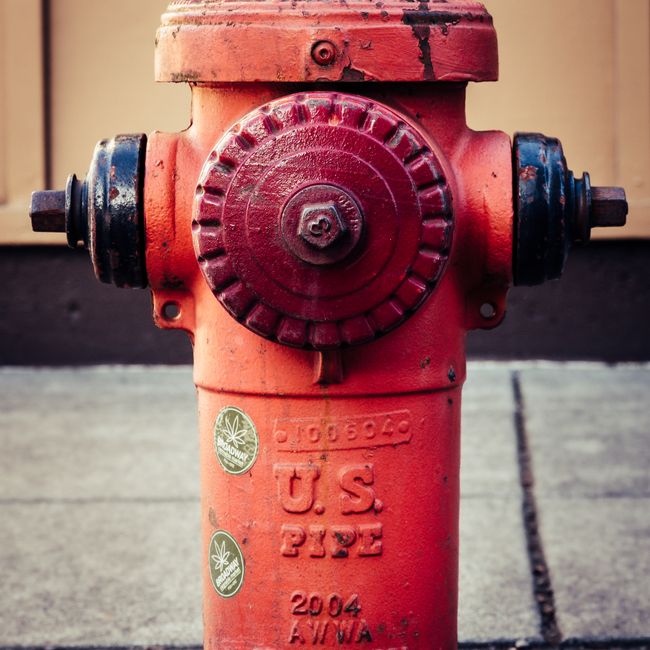
California Governor Gavin Newsom Orders Independent Investigation into Dry Fire Hydrants Amidst LA Fires
Governor Gavin Newsom has officially directed an independent investigation into the alarming and potentially catastrophic issue of dry fire hydrants encountered by firefighters battling blazes across Los Angeles County. This decisive action follows a series of high-profile incidents where emergency responders found themselves critically hampered by inoperable or non-existent water sources when every second mattered. The investigation, spearheaded by an as-yet-unnamed independent entity, aims to thoroughly scrutinize the state of Los Angeles’ fire hydrant infrastructure, identify systemic failures, and recommend immediate and long-term corrective actions. The urgency behind this order is underscored by the increasing frequency and intensity of wildfires in California, exacerbated by climate change and drought conditions, which place an unprecedented demand on vital firefighting resources. The discovery of dry hydrants during critical emergencies not only jeopardizes property and lives but also raises serious questions about public safety preparedness and the operational readiness of the Los Angeles Fire Department (LAFD) and other responding agencies. This probe is expected to delve into various facets of hydrant management, from initial installation and maintenance protocols to water supply reliability and accountability within municipal water departments.
The impetus for Governor Newsom’s directive stems from multiple harrowing accounts and visual evidence emerging from recent significant fires in the Los Angeles region. Fire chiefs, battalion chiefs, and individual firefighters have publicly voiced their frustrations and concerns regarding the widespread presence of dry or low-pressure hydrants. These reports paint a grim picture of situations where precious minutes were lost attempting to locate functioning hydrants or relying on secondary water sources, such as tanker trucks, which are often insufficient for large-scale conflagrations. The psychological and operational impact on firefighters is immense; knowing that a fundamental tool for their life-saving mission is absent or unreliable creates immense pressure and can lead to critical strategic compromises. The investigation is tasked with uncovering the root causes of these deficiencies. This will likely involve an examination of historical maintenance records, capital improvement plans for water infrastructure, and budget allocations dedicated to hydrant upkeep and replacement. Furthermore, the investigators will need to assess the reporting mechanisms in place for identifying and rectifying faulty hydrants and determine if these systems are being effectively utilized.
A primary focus of the independent investigation will be to ascertain the extent of the problem. While anecdotal evidence suggests a significant issue, quantifiable data on the number of non-operational hydrants, their geographical distribution, and the frequency with which they are found to be dry during fire events will be crucial. This will involve a comprehensive audit of all fire hydrants within the jurisdictions served by the LAFD, and potentially neighboring areas if systemic issues are suspected to extend beyond a single municipal boundary. The investigation team will likely collaborate with the LAFD, the Los Angeles Department of Water and Power (LADWP), and other relevant water utilities. They will be seeking to understand the existing standards for hydrant testing and maintenance, the frequency of these tests, and the protocols for addressing identified problems. The effectiveness of these existing protocols will be a key area of scrutiny. Are they being followed consistently? Are they adequate given the current climate and fire risk?
The investigative body will also be examining the financial and administrative aspects of hydrant management. This includes reviewing budget allocations for water infrastructure maintenance and capital improvements. Are sufficient funds being allocated to ensure that hydrants are properly maintained, tested, and repaired? Are there any discrepancies in funding between different geographical areas or types of infrastructure? The investigation will also look into the personnel and training involved in hydrant maintenance. Are there adequately trained staff responsible for these tasks? Are they provided with the necessary resources and support? Understanding the administrative oversight and accountability structures will be paramount. Who is ultimately responsible for ensuring that fire hydrants are operational? What are the consequences for negligence or inaction?
The investigation’s scope is expected to be broad, encompassing not only the physical state of the hydrants but also the underlying water supply infrastructure. Dry hydrants can be a symptom of larger problems within the water distribution network, such as low water pressure, aging pipes, inadequate water main capacity, or even issues with water source reliability. Therefore, the investigators will likely need to assess the overall health of the water system that feeds these hydrants. This could involve examining water pressure data, flow rates, and the condition of the underlying water mains and pumping stations. Climate change and prolonged drought periods have placed significant stress on California’s water resources, and the investigation will need to consider how these factors might be contributing to the problem. Are water conservation measures impacting hydrant performance? Are there sufficient water reserves to meet both domestic and firefighting needs during extreme weather events?
Furthermore, the investigation will critically evaluate the communication and coordination between the LAFD and the water utilities responsible for hydrant maintenance. Effective interagency communication is vital during emergencies. Are there clear and established channels for reporting issues with hydrants? Are these reports acted upon promptly? Is there a proactive system in place for identifying potential problems before they become critical? The investigation will aim to identify any breakdowns in this communication chain. The concept of "shared responsibility" for public safety means that both the fire department and the water department must be working in tandem.
The independent nature of the investigation is a key element of Governor Newsom’s order. This is intended to ensure an unbiased and objective assessment of the situation, free from political influence or internal departmental biases. The investigators will have the authority to gather evidence, interview personnel from various agencies, and review documents and records. The findings and recommendations are expected to be made public, fostering transparency and accountability. The ultimate goal is to develop actionable strategies to prevent recurrence and ensure the reliability of this critical public safety infrastructure. The investigation is not merely about assigning blame; it is about implementing solutions that will safeguard communities across Los Angeles County and potentially serve as a model for other municipalities facing similar challenges.
The findings of this investigation will have significant implications for public safety policy and resource allocation in California. If systemic failures are identified, it could lead to substantial investments in infrastructure upgrades, new maintenance protocols, and enhanced interagency collaboration. The report will likely serve as a wake-up call for officials and the public alike, highlighting the critical importance of maintaining essential public services, especially in the face of escalating environmental challenges. The investigation’s recommendations could also influence future legislative efforts aimed at strengthening the resilience of firefighting infrastructure across the state. The public has a right to expect that when they call for help, the resources to provide that help will be readily available and functioning effectively. The dry hydrant issue directly impacts this fundamental expectation.
The timeline for the investigation has not yet been specified, but the urgency of the situation suggests it will be a priority. Governor Newsom’s office will be closely monitoring the progress and will expect a comprehensive report with concrete recommendations. The public will be looking for tangible improvements in the reliability of fire hydrants in the wake of this investigation. The success of this initiative will be measured by its ability to translate findings into lasting improvements in public safety preparedness and response capabilities. The current climate, with increasing wildfire threats and the ongoing pressure on water resources, makes this investigation not just a matter of bureaucratic review, but a critical step towards ensuring the safety and security of millions of Californians. The focus on an independent investigation signals a commitment to uncovering the unvarnished truth and taking decisive action to rectify any shortcomings. This proactive approach by the Governor’s office is a crucial step in addressing a potentially life-threatening vulnerability in the state’s emergency response infrastructure.


