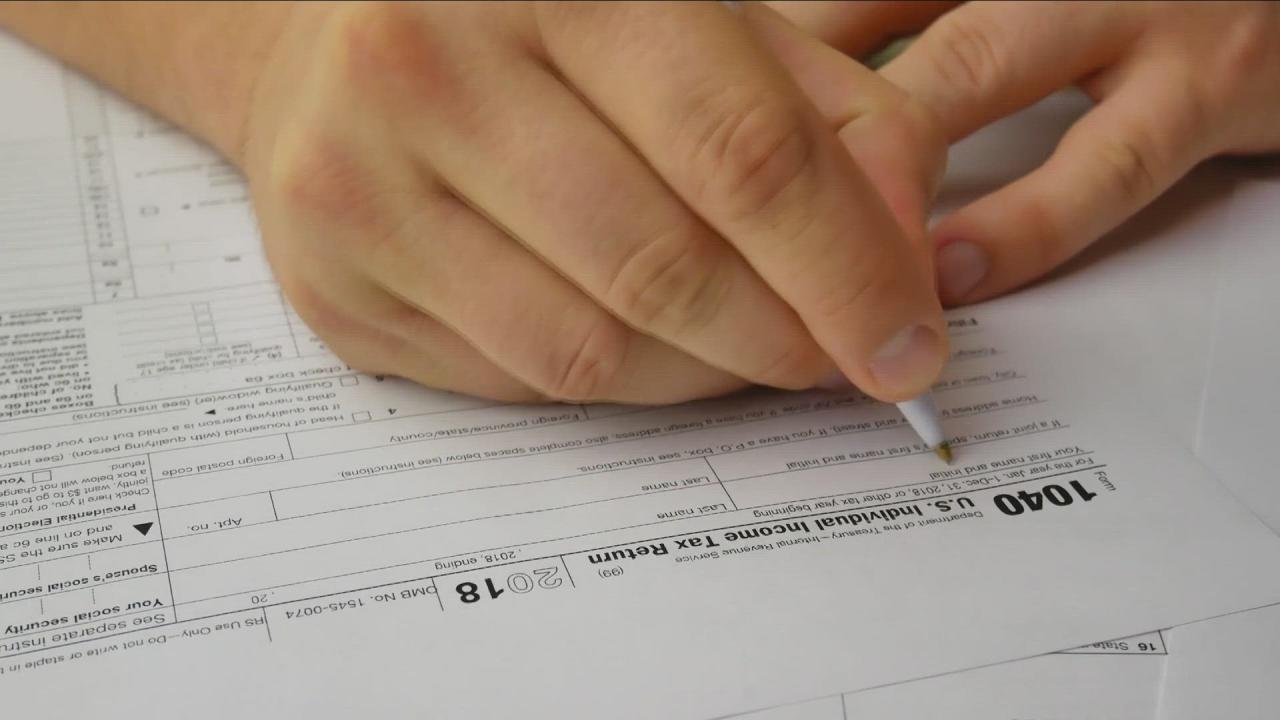
When will I get my tax refund? This burning question plagues many taxpayers each year. Navigating the complexities of the IRS refund process can feel daunting, but understanding the timeline, potential delays, and how to check your status empowers you to stay informed and proactive. This guide provides a comprehensive overview of the tax refund process, from understanding processing timelines to checking your status online, and even avoiding common scams.
Prepare to feel more confident in the whole refund journey.
The typical timeline for a tax refund depends on several factors, including the filing method (paper or e-file) and whether any issues arise during processing. Accurate returns and timely payments generally expedite the process. However, unforeseen circumstances, such as IRS system maintenance or errors on your return, can lead to delays. This article explores these factors, providing insights into the refund process and offering practical steps to address potential delays and ultimately receive your refund quickly.
Understanding Tax Refund Processing
Your tax refund is a vital part of your financial year, often a welcome relief after paying taxes. Knowing how the IRS processes these refunds can help you manage your expectations and avoid unnecessary stress. This section dives into the typical timeline, potential delays, and factors that influence the speed of your refund disbursement.
Typical Refund Processing Timeline
The time it takes to receive your tax refund varies depending on several factors, including the filing method used. Generally, e-filing results in faster processing times than paper filing. E-filing often allows the IRS to access and process your return more quickly.
- E-filed returns: The average processing time for e-filed returns is typically around 21 days. However, this can fluctuate depending on the complexity of the return and any additional verification steps needed. For example, a straightforward return with no errors will be processed faster than a complex return requiring additional information from the taxpayer.
- Paper returns: Paper returns often take longer to process, sometimes ranging from 6 to 8 weeks or more. The longer processing time is often due to the manual handling and processing required by the IRS for paper returns.
Factors Affecting Refund Processing Time
Several factors can influence the time it takes to receive your refund. Accuracy and completeness are key. The IRS prioritizes accurate returns, and any issues or discrepancies can delay the processing.
- Accuracy of the return: A return with errors or missing information will require further review and clarification, leading to delays. For instance, an error in calculating the tax credit or an incorrect social security number will delay the refund.
- Payment issues: If there are problems with the payment information provided on your return, the IRS may need to resolve these issues before issuing the refund. For example, if the bank account information is incorrect or the payment is rejected, it will cause a delay in the refund.
- Follow-up actions: If the IRS needs additional information or documentation from you, this will extend the processing time. This often happens if the return needs further review or verification, such as for certain deductions or credits.
Common Stages in Tax Refund Processing
| Stage | Description | Typical Timeframe | Potential Delays |
|---|---|---|---|
| Filing | Taxpayer submits the return. | Immediate | Incomplete or incorrect return forms |
| Processing | IRS verifies the return for accuracy and completeness. | 1-3 weeks (e-file), 3-6 weeks (paper) | Errors, missing information, payment issues |
| Payment Verification | IRS confirms the payment and recipient information. | 1-2 weeks | Incorrect bank account details, payment rejection |
| Issuing the Refund | IRS issues the refund to the designated recipient. | 1-2 weeks (e-file), 2-4 weeks (paper) | System issues, delays in processing payments |
| Receiving the Refund | Taxpayer receives the refund. | 1-2 weeks (e-file), 2-6 weeks (paper) | Delays in bank deposit, payment issues after the IRS has issued the refund |
Checking Refund Status: When Will I Get My Tax Refund

Knowing when your tax refund will arrive is crucial. But what if you need to track its progress? Fortunately, there are several ways to check the status of your tax refund, ensuring you’re informed every step of the way. This section will guide you through various methods and help you understand which one best suits your needs.
Methods for Checking Refund Status, When will i get my tax refund
Several methods allow you to check the status of your tax refund. These range from online portals to phone inquiries and even mail correspondence. Understanding the pros and cons of each method can help you choose the most efficient and convenient way to track your refund.
Comparison of Refund Status Checking Methods
| Method | Pros | Cons | Accessibility |
|---|---|---|---|
| Online Portals | Fast and convenient, often real-time updates; access anytime, anywhere with internet connection. | Requires internet access; may need to create an account or log in; some portals might have specific requirements or limitations. | High, generally accessible to most individuals with basic computer skills and internet access. |
| Phone Inquiries | Provides immediate human interaction for clarification of any issues; useful if you have questions or need assistance navigating the online process. | May have longer wait times; potentially higher costs (depending on your phone plan or the service provider). | Moderate, dependent on phone service availability and operator availability. |
| Mail Correspondence | Traditional method; useful if you prefer paper communication or if online access is limited. | Slowest method; requires mailing a letter and waiting for a response. No real-time updates. | Low, relies on mail service and individual’s ability to send and receive mail. |
Step-by-Step Guide: Checking Refund Status Online
Checking your refund status online is often the quickest and easiest way. This method frequently provides real-time updates on the processing of your refund.
- Visit the IRS website or your tax preparation software’s dedicated refund tracking page. These sites typically have clear instructions and forms.
- Enter the necessary information, such as your Social Security number, filing status, and the tax year.
- Click “submit” or “check status.” The system will process your request and display your refund’s current status.
- The refund status will often display a variety of details, including the date of filing, date of processing, and expected date of receipt. Carefully review the information provided.
Importance of Using Official Channels
Using official channels, like the IRS website or your tax preparation software’s dedicated refund tracking page, is essential for accurate and reliable refund status updates. Unauthorized websites or individuals may not have access to your refund information, and may not be trustworthy.
Common Refund Delays
Waiting for your tax refund can be frustrating. Understanding the potential reasons behind delays can help you manage your expectations and take appropriate action. Knowing the common pitfalls can save you time and stress.The IRS processes millions of tax returns each year, and sometimes, things don’t go as smoothly as expected. Delays can stem from various factors, ranging from simple errors to more complex issues.
This section will delve into the most frequent causes of refund delays, offering insights into common mistakes and strategies for navigating potential issues.
So, when will I get my tax refund? It’s a question that’s been on my mind lately, especially as I’m looking forward to the upcoming Super Bowl festivities. Thinking about the excitement surrounding the Santa Clara Super Bowl LX at Levi’s Stadium santa clara super bowl lx at levis stadium , I’m hoping my refund arrives soon, so I can afford the tickets and some amazing food! Hopefully, the process moves quickly, and I’ll have my refund before the big game.
Fingers crossed!
Errors on the Tax Return
Incorrect information on your tax return is a leading cause of delays. Mistakes in reporting income, deductions, or credits can trigger an automatic review process by the IRS. This review is necessary to ensure accuracy and compliance with tax laws. This meticulous review can take time, sometimes delaying the issuance of your refund. For instance, a misplaced decimal point or a typo in your Social Security number can trigger this review.
Missing or Incorrect Documentation
The IRS requires specific supporting documents to validate certain deductions and credits. Failure to submit these documents, or submitting incorrect or incomplete documentation, can cause delays. For example, if you claim the Earned Income Tax Credit, you must provide supporting documentation such as proof of employment and income. If these documents are missing or incorrect, the IRS needs time to request further information.
Issues with the Taxpayer’s Bank Account
Sometimes, the IRS is unable to process the refund because of problems with the bank account information provided on your return. This can include incorrect routing numbers, account numbers, or even closed accounts. A simple typo in the account number can lead to the IRS being unable to deposit your refund.
IRS System Maintenance or External Factors
Occasionally, the IRS experiences system maintenance or faces external factors like natural disasters or other events. Such events can temporarily affect the processing capacity of the IRS. Delays due to these events are usually temporary and the IRS will communicate updates on their website and via other official channels.
Steps to Take if You Suspect a Refund Delay Due to an Error
If you suspect an error on your return caused the delay, immediately contact the IRS. You can use their online tools, call their dedicated help line, or submit a request for assistance. The IRS will be able to guide you through the process of correcting the error. They may require additional documentation to resolve the issue. Communicating with the IRS directly and proactively will expedite the resolution process.
Examples of Common Mistakes Leading to Delays
- Incorrectly entered Social Security number.
- Incorrect bank account information.
- Missing W-2 forms or other supporting documents.
- Incorrectly claimed deductions or credits.
- Failure to properly file amended returns.
Expediting the Refund Process
Knowing when you’ll receive your tax refund is crucial for financial planning. While the IRS strives to process returns efficiently, sometimes delays occur. This section details proactive steps you can take to potentially expedite the refund process. Understanding the strategies and adhering to best practices can significantly increase your chances of receiving your refund sooner.The IRS processes millions of tax returns each year.
So, when will I get my tax refund? It’s a question many are asking right now, and honestly, it’s a bit of a mystery. While we’re all waiting, it’s interesting to see how a lucky ticket holder in San Mateo just won a significant amount of money, a lotto ticket worth $164,665 sold in San Mateo! lotto ticket worth 164665 sold in san mateo.
Hopefully, my refund will arrive soon, maybe even with a little extra luck like that!
While the majority are processed accurately and on time, various factors can influence the timeline. By following the Artikeld strategies, you can significantly increase the likelihood of a timely refund.
Direct Deposit: A Swift Refund Strategy
Using direct deposit is one of the most effective ways to expedite your refund. The IRS’s direct deposit system bypasses the mail and delivers your refund directly into your bank account. This streamlined process avoids potential delays associated with mail delivery. The IRS will provide a confirmation when your return is processed, and you’ll receive your funds electronically, usually within a few business days.
Accurate and Complete Tax Returns: Foundation for Timely Refunds
Submitting a complete and accurate tax return is fundamental to a faster refund. Errors or missing information can cause delays as the IRS verifies and validates the details. Ensure all required documents, such as W-2 forms, are attached to your return. Double-checking your entries for accuracy can save you time and frustration.
Ensuring Required Documentation is Submitted
A thorough review of all required documents is crucial. A missing or incomplete document can lead to delays in processing your return. Carefully examine the list of documents required for your specific tax situation and ensure that all forms and schedules are included.
Steps to Expedite the Refund Process
- Utilize direct deposit: Direct deposit significantly reduces the time it takes to receive your refund. Ensure your bank account information is accurate and up-to-date on your tax return.
- Ensure all required documents are submitted: Carefully review the requirements and ensure all necessary documentation is included in your return. A missing form or incomplete schedule can significantly delay the processing time.
- Monitor your refund status online: Regularly checking the IRS’s online tool to track your refund status can give you insight into the processing timeline. If you see a significant delay, consider contacting the IRS.
- Use IRS’s online tools: Utilize the IRS’s online tools for checking your refund status, making payments, and accessing your account information.
Contacting the IRS for Refund Delays
If your refund is significantly delayed, contacting the IRS is necessary. It’s important to have your tax return information handy. A detailed record of any communication with the IRS is also advisable.
Comparing Effectiveness of Strategies
While several methods can potentially expedite the refund process, direct deposit stands out for its efficiency and speed. A complete and accurate tax return minimizes the chances of processing delays. Utilizing the IRS’s online tools is crucial to tracking your refund status and potentially addressing any issues proactively.
Communicating with the IRS about Refunds
Getting your tax refund is a crucial part of the tax process. However, sometimes things don’t go as planned, and you need to reach out to the IRS. Understanding the proper channels for communication can save you time and frustration, ensuring a smooth resolution to any refund issues.
Contacting the IRS for Refund Inquiries
The IRS offers multiple avenues for contacting them regarding your refund. Knowing which method is best for your specific situation is key to getting prompt and accurate assistance.
Wondering when you’ll get your tax refund? It’s a common question, and unfortunately, there’s no magic answer. But, while you’re waiting, you might find some interesting news about initiatives like climate clean American ports. These efforts are important for the future, and hopefully, they won’t impact your refund process too much. So, keep checking those portals, and hopefully, your refund will arrive soon!
- Phone: The IRS offers various phone numbers for different types of inquiries. For refund-related issues, it’s best to use the dedicated numbers, often available on the IRS website. While waiting on hold can be frustrating, it’s a direct line to an IRS representative, who can provide immediate assistance and possibly expedite your refund. Be prepared to provide your taxpayer identification number (TIN), filing status, and relevant information about your refund to facilitate the process.
Finding the correct phone number for your situation is crucial; using the wrong number can lead to misdirection and delays.
- Online Forms: The IRS website provides numerous online forms for submitting inquiries. These forms are specifically designed for various situations, including refund inquiries. Completing these forms electronically saves time and ensures your inquiry is processed efficiently. Online forms also allow for a digital record of your communication with the IRS, which can be useful for future reference.
- Mail Correspondence: While often slower than other methods, sending a letter to the IRS can be useful for complex situations or when other avenues haven’t yielded results. Use the official IRS address listed on their website for the type of inquiry you are submitting. Include your full name, address, phone number, taxpayer identification number (TIN), filing status, and a detailed description of the issue.
Maintaining a clear and concise letter will improve the efficiency of the response.
Best Practices for Effective Communication
Maintaining a professional and respectful tone when communicating with the IRS is crucial. Clear and concise communication is vital for efficient problem-solving. Be prepared to provide the necessary information, such as your taxpayer identification number, filing status, and the specific details of your refund inquiry.
- Gather Relevant Documents: Before contacting the IRS, collect all relevant documentation, such as tax returns, payment confirmations, and any correspondence you have already had with the IRS. Having these documents readily available will allow for quicker processing and resolution of your inquiry.
- Stay Organized: Keep a detailed record of all communication with the IRS, including dates, times, and the names of any IRS representatives you spoke with. This will be helpful if you need to follow up on your inquiry.
- Be Patient: Processing tax refunds and resolving inquiries can sometimes take time. Be patient and persistent in your communication with the IRS, and do not be discouraged if you do not receive an immediate response.
Avoiding Scams
Scammers often try to impersonate IRS agents to obtain personal information. Be wary of unsolicited calls or emails asking for your banking information or personal details. Official IRS communications will always come from official IRS channels.
- Verify IRS Contact Information: Always verify the contact information for the IRS through their official website. Fake IRS contact information is often used to deceive individuals.
- Do Not Provide Personal Information: Never share your social security number, bank account information, or other sensitive details with anyone claiming to be from the IRS unless you are absolutely certain of their legitimacy. The IRS will never ask for this information via email or unsolicited phone calls.
Typical Response Times
The IRS typically responds to refund inquiries within a reasonable timeframe, often within a few weeks. The exact response time depends on the complexity of the issue and the volume of inquiries. If you do not receive a response within a reasonable timeframe, you can follow up with a phone call or another official communication method.
Avoiding Common Scams Related to Tax Refunds

Getting your tax refund is exciting, but unfortunately, it also makes you a target for scammers. These individuals prey on the desire for quick cash, exploiting the anxiety surrounding the refund process. Understanding the common tactics used in tax refund scams is crucial to protecting your money and personal information.Knowing how to identify and avoid these scams can save you significant headaches and financial losses.
This section details the common types of scams and provides clear steps to safeguard yourself from becoming a victim.
Common Tax Refund Scams
Tax refund scams come in various forms, from deceptive phone calls to fraudulent websites. Understanding these methods is essential for recognizing and avoiding these traps.
- Phone Scams: Scammers often pose as IRS agents or tax representatives, demanding immediate payment or personal information. They create a sense of urgency, pressuring you to act quickly. These calls are often unsolicited and can involve threats of penalties or legal action.
- Email Scams: Phishing emails mimicking IRS communication are prevalent. These emails may include links to fake websites or requests for sensitive data, such as social security numbers or bank account details. The emails may appear legitimate, using official-looking logos and language. Be wary of emails requesting immediate action or containing grammatical errors.
- Fraudulent Websites: Scammers create websites that look like official IRS sites. These sites often ask for personal information or claim to offer expedited refund processing. They aim to trick you into providing your sensitive data by creating a sense of legitimacy.
- Fake Tax Professionals: Some individuals posing as legitimate tax professionals may try to convince you to pay for unnecessary services or to give them your tax information. These individuals may not be licensed or qualified professionals, and they may use your information for fraudulent purposes.
Identifying Suspicious Messages and Calls
Learning to spot red flags is crucial to avoiding tax refund scams. Suspicious calls and emails often share similar characteristics.
- Unrequested Contact: The IRS generally does not initiate contact by phone or email to request personal information or demand immediate payment. If you receive an unsolicited call or email claiming to be from the IRS, be cautious.
- Sense of Urgency: Scammers frequently create a sense of urgency, pressuring you to act quickly. They may threaten penalties or legal action if you don’t respond immediately. Be aware that the IRS will not use threatening language.
- Unusual Requests: The IRS will not ask for sensitive information, such as social security numbers, bank account details, or credit card numbers, via email or phone. Never provide personal information unless you are certain of the legitimacy of the request.
- Grammatical Errors and Poor Spelling: Official IRS communications are generally free of grammatical errors and spelling mistakes. If the message or email contains these errors, it is a strong indication of a scam.
Verifying IRS Communications
Confirming the authenticity of IRS communications is vital to avoid falling victim to scams.
- Official IRS Website: Always verify the information provided by contacting the IRS directly through their official website. Do not click on links from emails or texts.
- IRS Phone Number: Use the official IRS phone number listed on their website to verify any communication or request for information. Avoid phone numbers provided in emails or text messages.
- IRS Contact Information: The IRS has a dedicated customer service line and online portals to resolve tax issues. Review the IRS’s official contact information to ensure any communications are legitimate.
Final Review
In conclusion, understanding the tax refund process, from initial filing to final receipt, is key to managing expectations and avoiding unnecessary stress. By being proactive, checking your refund status regularly using official channels, and understanding the potential for delays, you can effectively navigate the refund process. Remember to be vigilant about scams and to contact the IRS directly if you experience significant delays.
Ultimately, a well-informed approach will ensure a smooth and successful tax refund experience.